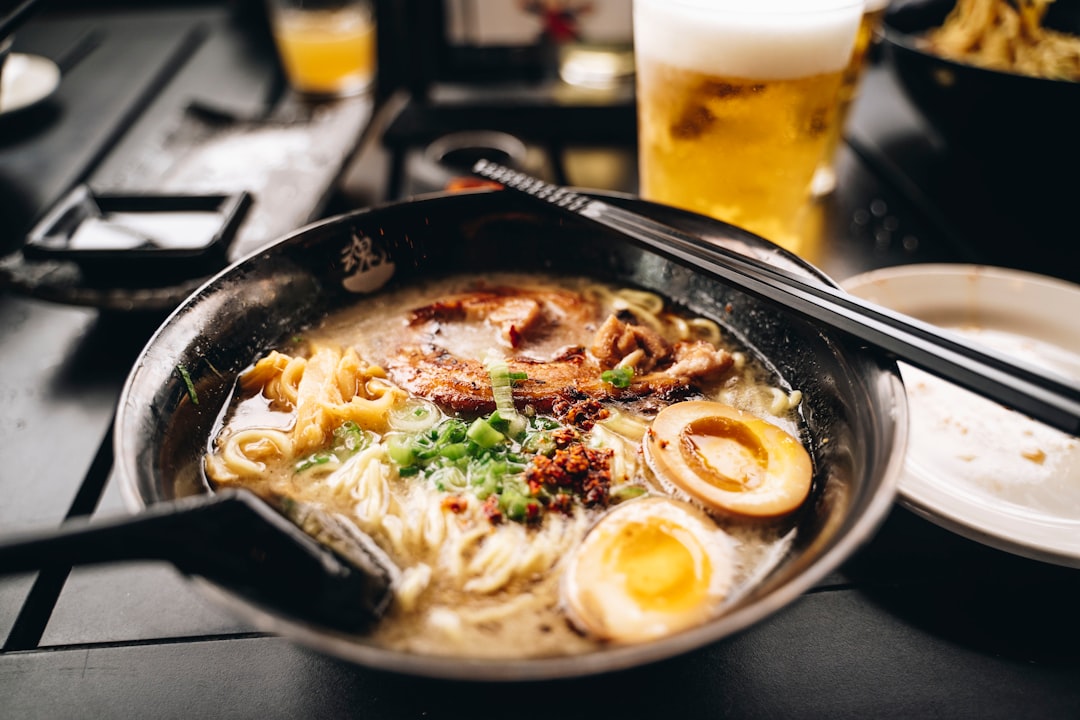

Photo by Diego Lozano on Unsplash
What Makes Sapporo Miso Ramen Unique
Sapporo miso ramen is one of Japan’s most beloved regional noodle dishes, and for good reason. Born in the snowy capital of Hokkaido, this hearty bowl was designed to warm bodies and souls through brutally cold winters. Unlike the soy-based shoyu ramen of Tokyo or the tonkotsu ramen of Kyushu, Sapporo’s signature style centers on a rich, fermented miso broth that delivers deep umami, a touch of sweetness, and a satisfying weight that clings to thick, curly noodles. If you’re planning a trip to Hokkaido or simply want to understand Japan’s ramen culture more deeply, this guide will walk you through everything that makes Sapporo miso ramen a must-try culinary experience.
A Brief History of Sapporo Miso Ramen
Ramen itself arrived in Japan from China, but it was in Sapporo during the mid-twentieth century that miso was first incorporated into the broth. Local legend credits a ramen shop owner who began experimenting with miso to create a heartier, more filling dish suited to Hokkaido’s frigid climate and the physical labor of local workers, including fishermen and coal miners. The combination of miso, garlic, and lard proved so popular that it spread throughout the city and eventually became synonymous with Sapporo itself. Today, the Sapporo Ramen Yokocho alley and the Ramen Republic food court inside the city stand as living monuments to this culinary legacy, drawing both locals and travelers eager to taste the original.
The Core Components of an Authentic Bowl
The Broth
The heart of Sapporo miso ramen is its broth, typically built on a base of pork bones, chicken bones, or a combination of both, simmered for hours to extract collagen and depth. Miso paste, often a blend of red and white varieties, is added toward the end to preserve its aromatic complexity. Many shops also incorporate a garlic and ginger stir-fry technique, where minced garlic, ginger, and sometimes bean sprouts or ground pork are quickly sautéed in lard before the broth is poured in. This step, unique to the Sapporo style, infuses the soup with a toasty, savory aroma that immediately distinguishes it from other regional ramens.
The Noodles
Sapporo ramen noodles are thick, curly, and slightly chewy, made with a higher water content than noodles used in shoyu or shio ramen. Their springy texture is essential for holding up against the thick, oily miso broth without becoming soggy. The curls also help trap little pockets of soup in every bite, ensuring maximum flavor with each slurp.
The Toppings
Classic toppings include a pat of butter and a small mound of sweet corn, both nods to Hokkaido’s dairy and agricultural heritage. Other common additions are chashu (braised pork belly), bean sprouts, wood ear mushrooms, scallions, bamboo shoots, and a drizzle of rayu chili oil for those who want extra heat. Some shops finish the bowl with a spoonful of stir-fried ground pork or a poached egg for added richness.
How Sapporo Miso Ramen Differs from Other Regional Styles
- Hakata Ramen (Fukuoka): Built on a milky white tonkotsu broth with thin, straight noodles, Hakata style is lighter in seasoning but richer in pork fat compared to Sapporo’s miso base.
- Tokyo Shoyu Ramen: Uses a clear soy sauce broth that is saltier and less viscous, paired with medium-thick wavy noodles, offering a more delicate flavor profile than Sapporo’s bold miso punch.
- Kitakata Ramen (Fukushima): Features flat, wide noodles in a light soy-based broth, contrasting sharply with Sapporo’s thick curly noodles and heavier miso soup.
- Wakayama Ramen: Combines soy sauce and pork bone broth for a darker, saltier taste, lacking the sweetness and umami depth that miso provides in Sapporo bowls.
Understanding these differences helps travelers appreciate why ramen enthusiasts consider a trip through Japan incomplete without sampling each region’s signature bowl, and why Sapporo’s version holds a special place for its cold-weather comfort and bold flavor.
Where to Try the Best Sapporo Miso Ramen
While incredible bowls can be found across Hokkaido, and increasingly throughout Japan and abroad, the most authentic experience comes from eating in Sapporo itself. Two iconic destinations stand out for first-time visitors.
Sapporo Ramen Yokocho
This narrow alley in the Susukino entertainment district houses more than a dozen small, family-run ramen shops, many of which have been serving the same recipes for generations. The cozy, retro atmosphere and the sound of simmering broth create an immersive experience that feels like stepping back into Sapporo’s ramen origins.
Ganso Sapporo Ramen Yokocho and Ramen Republic
For a modern, air-conditioned alternative, Ramen Republic inside a shopping complex gathers renowned shops from across Hokkaido under one roof, making it easy to sample multiple styles in a single visit. This is ideal for travelers with limited time who still want to compare different interpretations of the miso classic.
Tips for Ordering Like a Local
- Look for shops specializing specifically in miso ramen, as many establishments in Hokkaido offer shio, shoyu, and tonkotsu as well, and miso specialists tend to have the most refined recipes.
- Don’t be afraid to request extra garlic or a spicier broth if you enjoy bold flavors; most shops accommodate simple customization requests.
- Order the butter corn topping if it’s not already included, as this combination is considered essential to the authentic Sapporo experience.
- Visit during colder months for the most atmospheric experience, though the dish is satisfying and delicious year-round.
- Expect lines at the most popular shops, especially during lunch hours, so consider arriving early or visiting during off-peak times.
Recreating Sapporo Miso Ramen at Home
For those who cannot travel to Hokkaido immediately, replicating this dish at home is a rewarding project. Start with a quality pork or chicken stock, whisk in a blend of red and white miso paste off the heat to preserve its flavor, and prepare a quick garlic-ginger stir-fry base with lard or sesame oil. Use fresh, thick curly ramen noodles if available, or substitute with high-quality dried alkaline noodles. Top with butter, canned or fresh sweet corn, sautéed bean sprouts, and slices of chashu pork for an approximation of the real thing. While nothing quite matches sitting in a steamy Sapporo shop during a snowstorm, a homemade version can satisfy cravings between trips.
Final Thoughts
Sapporo miso ramen represents more than just a meal; it embodies Hokkaido’s history, climate, and ingenuity in transforming simple ingredients into a deeply comforting dish. Whether you’re navigating the historic alleys of Susukino or attempting your own version in a home kitchen, understanding the nuances of this regional style enriches the experience and deepens appreciation for Japan’s incredibly diverse ramen culture. For any ramen lover planning a Hokkaido itinerary, prioritizing a genuine bowl of Sapporo miso ramen is simply non-negotiable.