
Photo by Mateo Krossler on Unsplash
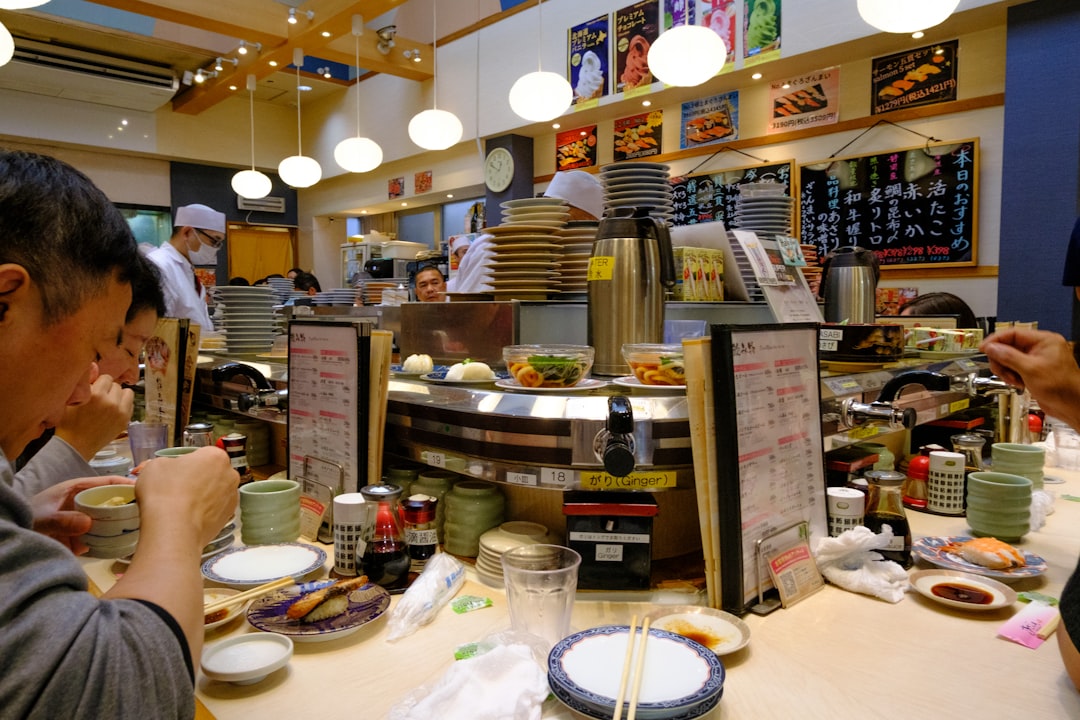
Few dining experiences capture the fun, efficiency, and ingenuity of Japan quite like conveyor belt sushi, known locally as kaiten-zushi (回転寿司). Plates of nigiri, rolls, and small dishes glide past on a rotating belt while diners pluck whatever catches their eye, or order custom items through futuristic touch panels that deliver fresh plates via a mini bullet train. It is affordable, fast, and endlessly entertaining, but first-timers often feel a flutter of anxiety wondering whether they are breaking some unspoken rule. The good news is that kaiten-zushi restaurants are among the most casual and tourist-friendly dining spots in Japan. Still, knowing the basic etiquette and ordering system will help you relax, eat more efficiently, and get the most delicious plates without the awkward hesitation. This guide walks you through everything from walking in the door to paying the bill.
What Exactly Is Kaiten-zushi?
Kaiten-zushi restaurants were invented in Osaka in the mid-20th century as a way to serve sushi quickly and affordably to large numbers of customers. The concept was revolutionary: instead of waiting for a sushi chef to prepare each order individually, plates of pre-made sushi rotate on a conveyor belt encircling the counter, and diners simply take what they want as it passes by. Today, kaiten-zushi has evolved into a high-tech dining format found in nearly every Japanese city and town. Major chains like Sushiro, Kura Sushi, Hama Sushi, and Uobei have refined the system with digital ordering, automated plate counting, and even entertainment screens at each seat. Despite the technology, the core appeal remains the same: fresh, quality sushi at a fraction of the price of a traditional sushi counter, in a relaxed, no-pressure setting.
Walking In and Getting Seated
Most kaiten-zushi restaurants operate on a simple queue system. Near the entrance you will usually find either a touchscreen kiosk or a paper ticket machine where you indicate your party size. Select the number of people in your group, and the machine will issue a number or display your position in line along with an estimated wait time. During busy lunch and dinner hours, especially on weekends, expect to wait ten to thirty minutes at popular locations. Once your number is called or displayed on a screen, a staff member will guide you to your seat, or in some tech-forward branches, the number itself tells you which seat to occupy. You can choose between counter seating facing the belt, table seating for larger groups, or occasionally private booths. If you are dining solo, counter seating is the fastest and most common option.
Understanding the Conveyor Belt and Ordering Systems
Once seated, you will notice two ways to get sushi: grabbing plates directly off the rotating belt, or ordering specific items through a digital touch panel that appears at every seat. Most modern kaiten-zushi restaurants actually rely more heavily on the touch panel system than the physical belt these days, since it guarantees freshness and lets kitchens prepare items to order. Here is how each method works.
Grabbing Plates from the Belt
If a dish rotating past looks appealing, simply lift it off the belt with both hands and place it directly onto the counter or table in front of you. There is no need to ask permission or signal a staff member. Once a plate has passed your seat, it is considered fair game for someone else, so decide quickly if you want it.
Ordering via Touch Panel
Nearly every seat is equipped with a tablet or touchscreen menu, often available in English, Chinese, and Korean alongside Japanese. Simply browse the categorized menu (tuna, salmon, shrimp, cooked items, desserts, drinks, and more), tap the item and quantity you want, and confirm your order. Within a minute or two, your plate arrives either on the main belt with a small flag or sign marking it as yours, or via a dedicated express lane, often shaped like a miniature shinkansen train, that delivers your order directly to a stop in front of your seat. When the mini train arrives, press the button shown on the panel to release the plate, then be sure to lift the acrylic cover before removing your food, and push a button afterward to send the train back.
The Plate Color and Pricing System
Traditionally, kaiten-zushi restaurants price dishes according to plate color or pattern, allowing customers to easily identify cost while browsing the belt. A plain white plate might indicate the cheapest tier, while gold, black, or patterned plates signal premium items like fatty tuna, uni, or seasonal specialties. Prices can range from budget-friendly to several times that amount for luxury cuts. Many modern chains have simplified this system by displaying prices directly on the touch panel screen instead of relying solely on plate color, but it is still worth knowing that plate design often corresponds to price tier. At the end of your meal, staff will either scan your stacked plates with a sensor built into the table, count them manually, or use a system where each plate contains an embedded IC chip that automatically tallies your bill when placed in a designated slot.
Essential Etiquette Rules to Follow
- Do not touch or handle plates you do not intend to eat. Once you pick up a plate, it is yours.
- Stack your empty plates neatly in front of you rather than putting them back on the belt. Many restaurants provide a plate holder or slot for this purpose.
- Avoid taking a plate that has already passed another diner and looped back excessively, as freshness may have declined; it is generally fine, but ordering fresh via the panel is preferable for items like raw fish that sit out longer.
- Keep your hands and elbows off the belt itself, and do not lean over it to grab something reserved for another guest.
- Speak at a moderate volume. Kaiten-zushi restaurants are casual, but they are still shared dining spaces.
- Do not rearrange or hoard plates for later; take only what you intend to eat soon after grabbing it.
- If a plate arrives via the express lane addressed to your seat, only take it if it matches your order; mix-ups can occasionally happen with adjacent seats.
What and How to Order: Tips for First-Timers
New visitors often wonder where to start given the overwhelming variety. A good approach is to begin with classics like salmon (sake), tuna (maguro), and shrimp (ebi), which are universally popular and rarely disappoint. From there, branch into cooked items such as tamago (sweet egg), unagi (grilled eel), or tempura rolls if you prefer avoiding raw fish. Most touch panels allow you to filter by category, making it easy to explore seasonal specials, vegetarian-friendly options like cucumber or natto rolls, and even non-sushi items such as ramen, udon, fries, and desserts like matcha ice cream or fruit parfaits. Ordering two plates of a favorite item at once is common practice and helps reduce belt traffic. Do not feel obligated to order everything through the panel; alternating between grabbing curiosities off the belt and ordering specific favorites is part of the fun.
Condiments, Tea, and Extras
At most seats you will find small packets of soy sauce, pickled ginger (gari), and sometimes wasabi already applied under the fish unless you request otherwise. Green tea is typically self-service: look for a tap or powder dispenser at your table along with hot water, allowing you to make your own cup using the provided cup and green tea powder. This is usually free and unlimited. Some restaurants also offer miso soup, ordered separately through the panel for a small fee. Napkins and disposable chopsticks are usually stocked at the table as well.
Paying the Bill
When you are finished, most kaiten-zushi restaurants will calculate your total automatically using the smart plate system, IC chip counting, or by having staff tally your stacked plates at the table using a handheld scanner. Some restaurants require you to press a call button to summon staff for the final count before heading to the register, while fully automated locations let you proceed straight to a payment kiosk near the exit where your bill appears based on your seat number. Cash, credit cards, and increasingly QR code payment apps are accepted at most chains, though smaller independent kaiten-zushi shops may be cash only.
Popular Chains Worth Visiting
If you want a reliable, high-quality experience, look for well-known chains such as Sushiro, Kura Sushi, Hama Sushi, and Uobei, all of which have locations throughout major cities and often near train stations or shopping centers. Each chain has its own quirks: Kura Sushi is famous for its plate-recycling game where returning five plates gives you a chance to win a small toy, while Uobei operates almost entirely through touch panel and delivery lanes with minimal staff interaction, making it especially convenient for those who prefer a low-pressure, low-language-barrier experience.
Common Mistakes to Avoid
Visitors sometimes make small missteps that, while rarely a serious problem, can mark them as unfamiliar with local customs. These include placing used plates back onto the moving belt, taking multiple plates at once without intending to eat them all, ignoring the express lane etiquette by grabbing a plate meant for another seat, or forgetting to return the mini train tray after removing food, which can cause a backup in the kitchen queue. Being mindful of these small details ensures a smoother experience for you and fellow diners.
Final Thoughts
Conveyor belt sushi is one of the most approachable and enjoyable ways to experience Japanese cuisine, blending affordability, novelty, and genuine culinary quality. With a basic understanding of the ordering system, plate etiquette, and payment process, you will be able to walk into any kaiten-zushi restaurant with confidence, whether it is a bustling chain near Shibuya Station or a quiet local spot in a smaller town. Relax, experiment with unfamiliar items, and enjoy watching the parade of colorful plates roll by; it is a uniquely Japanese dining ritual that never gets old.