What Is Osechi Ryori?
If you’re planning a winter trip to Japan around the New Year holiday, you’ll want to know about osechi ryori — the elaborate, symbolic multi-course meal that Japanese families prepare and eat during the first days of January. Packed into stacked lacquer boxes called jubako, osechi is far more than a festive feast; it’s a edible time capsule of wishes for health, prosperity, and happiness in the coming year. For travelers spending the New Year in Japan, understanding osechi adds a rich cultural layer to your winter itinerary, whether you’re sampling it at a ryokan, a department store food hall, or a home-cooked New Year gathering.
The History and Meaning Behind Osechi
Osechi ryori dates back over a thousand years to the Heian period, when court nobles offered seasonal food to the gods at seasonal turning points called sekku. Over time, the New Year celebration became the most important of these occasions, and the tradition of preparing special dishes in advance took hold. One practical reason osechi developed into preserved, room-temperature dishes was so that families — and especially the women who traditionally did the cooking — could rest from kitchen duties during the first few days of January, when it was considered bad luck to use fire or knives. Even today, many of the dishes are pickled, dried, simmered in soy sauce, or vinegared specifically so they keep well without refrigeration.
Understanding the Jubako Boxes
Osechi is traditionally packed into tiered lacquer boxes stacked one on top of another, symbolizing the accumulation of happiness and good fortune. A full formal set often has four or five tiers, though modern households and hotels frequently offer two- or three-tier versions for convenience. Each tier traditionally holds a different category of food:
- First tier: Celebratory appetizers and sweet dishes for toasting the New Year.
- Second tier: Grilled seafood and vinegared dishes.
- Third tier: Simmered vegetables and mountain-style dishes.
- Fourth tier: Additional simmered items (traditionally called the \“fourth\” tier rather than \“fourth\” numerically, since the number four is considered unlucky in Japanese).
If you’re staying at a ryokan or traditional inn over the New Year, many properties serve a scaled-down osechi breakfast or dinner set so guests can experience the tradition even while traveling.
Key Osechi Dishes and Their Symbolism
Nearly every item in an osechi box carries a pun-based or visual meaning tied to luck, longevity, or fertility. Here are some of the most iconic dishes you’re likely to encounter:
- Kuromame (sweet black soybeans): Represents diligence and good health, since \“mame\” also means \“hardworking.\”
- Kazunoko (herring roe): Symbolizes fertility and a prosperous family line, thanks to its many tiny eggs.
- Tazukuri (candied dried sardines): Historically used as fertilizer for rice fields, so it represents a bountiful harvest.
- Kobumaki (kelp rolls): \“Kobu\” sounds like \“yorokobu,\” meaning joy or happiness.
- Ebi (prawns): Their curved shape and long whiskers symbolize longevity, wishing the eater a long life bent with age.
- Datemaki (sweet rolled omelet): Its rolled shape resembles a scroll, symbolizing scholarship and culture.
- Kohaku kamaboko (red and white fish cake): The red and white colors represent celebration and are common in many Japanese festive foods.
- Renkon (lotus root): Its many holes symbolize an unobstructed view into the future.
- Kuri kinton (candied chestnut and sweet potato mash): Golden in color, it symbolizes wealth and financial fortune.
Trying to identify each dish and its meaning can be a fun, low-key activity for a cold winter afternoon indoors, especially if you’re warming up with tea or sake between bites.
How to Experience Osechi During Your Winter Trip to Japan
Travelers visiting Japan around New Year have several ways to try osechi ryori without needing to cook it themselves:
- Ryokan and hotel New Year packages: Many traditional inns offer special New Year’s Eve and New Year’s Day stays that include a full or partial osechi meal, often paired with mochi soup (ozoni) the next morning.
- Department store food halls (depachika): Major department stores sell beautifully packaged osechi sets for pickup, and some display sample boxes you can view even if you’re not purchasing.
- Convenience stores and supermarkets: Simplified, affordable osechi sets are sold in the days leading up to New Year, making them accessible even for budget travelers or those staying in self-catering accommodations.
- Specialty restaurants: Some restaurants offer osechi-inspired tasting courses in late December and early January for diners who want a modern take on the tradition.
Practical Tips for Winter New Year Travel in Japan
Experiencing osechi is just one part of a New Year trip to Japan — here are practical tips to make the most of the season while staying comfortable and avoiding crowds:
- Book early: Ryokans and hotels offering New Year osechi packages sell out months in advance, especially around December 31st and January 1st–3rd.
- Expect closures: Many restaurants, shops, and even some attractions close from January 1st to 3rd, so plan meals ahead or rely on hotel dining and convenience stores.
- Dress for genuine cold: Pack thermal base layers, a heavy coat, gloves, and warm footwear, particularly if you’ll be visiting shrines for hatsumode (the first shrine visit of the year) in the early morning chill.
- Avoid shrine crowds: Hatsumode crowds peak on January 1st morning; visiting on January 2nd or 3rd, or choosing a smaller neighborhood shrine, can mean a calmer, warmer experience.
- Warm up with kotatsu culture: If you’re staying somewhere with a kotatsu (heated table), embrace it as the perfect cozy spot to enjoy osechi leftovers and hot tea between sightseeing outings.
- Check train schedules: Some local transportation runs on reduced holiday schedules during the New Year period, so double-check timetables in advance.
Pairing Osechi with Other New Year Traditions
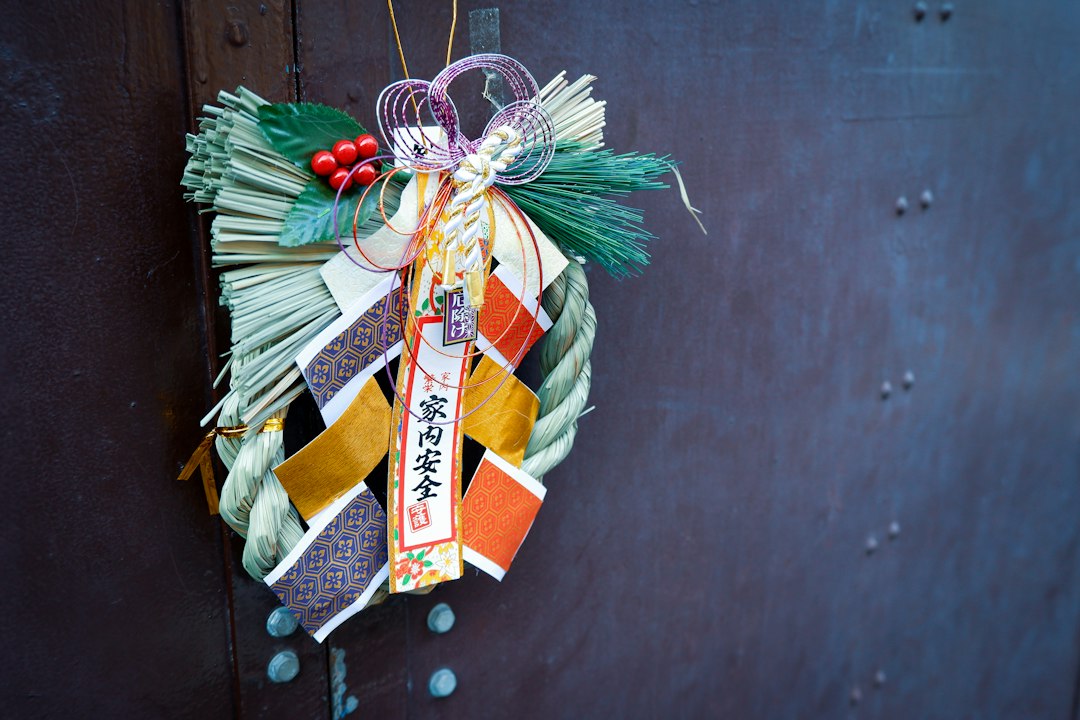
Osechi is typically enjoyed alongside other New Year customs that make this season special for travelers. Ozoni, a mochi soup with regional variations, is often eaten alongside or right after osechi on New Year’s morning. Toso, a spiced sake, is traditionally sipped to ward off illness for the year ahead. Many families also visit a shrine for hatsumode shortly after their New Year’s meal, making a home-cooked or hotel-served osechi breakfast the perfect warm start before heading out into the winter air. If you’re touring cities during this period, look out for New Year decorations like kadomatsu (pine and bamboo arrangements) and shimenawa (sacred rope decorations) outside homes and businesses, both of which pair symbolically with the meaning-rich dishes inside the osechi boxes.
Final Thoughts
Osechi ryori offers travelers a delicious window into Japanese values around family, gratitude, and hope for the future. Even a small sampler box from a convenience store or a single dish at a ryokan breakfast can deepen your understanding of why this quiet, symbolic meal remains central to Japanese New Year celebrations. Combine it with hatsumode, winter illuminations, and cozy kotatsu evenings, and you’ll come away with a New Year trip to Japan that’s both meaningful and memorably warm despite the winter chill.
Photo by Susann Schuster on Unsplash