Why Noboribetsu Is Hokkaido’s Ultimate Winter Onsen Destination
When snow blankets Hokkaido and the air turns crisp, there is no better way to warm up than soaking in a steaming outdoor bath while flakes drift down around you. Noboribetsu, one of Japan’s most famous hot spring resort towns, delivers exactly this kind of magical winter scene. Nestled in a valley near Shikotsu-Toya National Park, Noboribetsu draws its mineral-rich waters directly from volcanic activity, making it a legendary onsen destination that has been attracting visitors for generations. For travelers planning a year-end or New Year getaway, Noboribetsu offers the perfect blend of relaxation, snowy scenery, and seasonal festivities that make it an unforgettable winter escape.
Jigokudani: The Hell Valley That Feeds the Springs
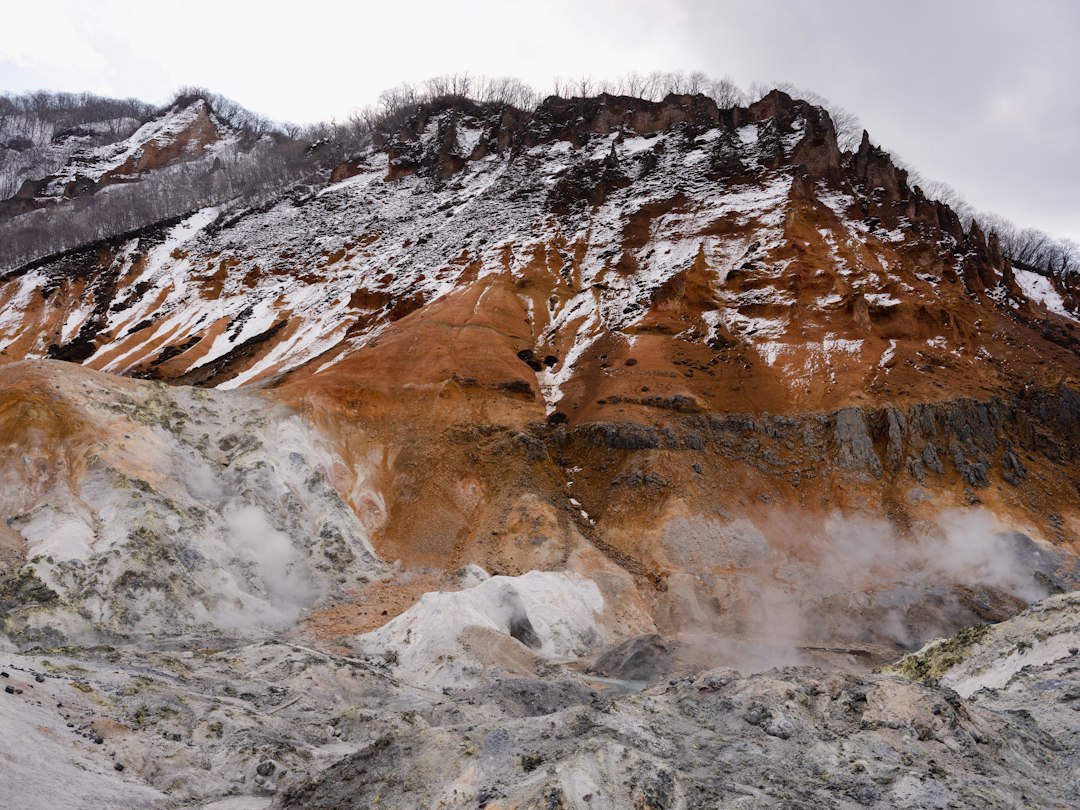
At the heart of Noboribetsu lies Jigokudani, or “Hell Valley,” a dramatic volcanic crater that continuously releases steam, sulfurous gases, and bubbling hot water. In winter, the contrast between the white snow-covered ground and the orange-red scorched earth creates an otherworldly landscape that photographers and curious travelers find irresistible. Wooden walking paths let you explore the valley safely, and interpretive signs explain how this geothermal activity has supplied the surrounding ryokan with naturally heated mineral water for centuries. Visiting Jigokudani just after a fresh snowfall, with steam rising dramatically against the cold air, is one of the most memorable sights in all of Hokkaido.
Best Times to Visit Jigokudani in Winter
- Early morning (before 9am) for fewer crowds and soft winter light
- Late afternoon for golden-hour photography against the snow
- Avoid midday during the New Year holiday period, when day-trip buses arrive in large numbers
Onsen Culture: What Makes Noboribetsu’s Waters Special
Noboribetsu is unusual in that it has access to several distinct types of hot spring water within a small area, including sulfur springs, iron springs, salt springs, and acidic springs. Each type is said to offer different therapeutic benefits, from soothing muscle aches to improving skin conditions. Many ryokan in town advertise multiple bath types so guests can experience different mineral waters during a single stay. Soaking in a rotenburo (outdoor bath) during winter, surrounded by falling snow and steaming water, is often cited by visitors as one of the most relaxing experiences of any Japan trip.
Choosing Where to Stay: Ryokan vs Hotel-Style Onsen Inns
Accommodation in Noboribetsu generally falls into two categories. Traditional ryokan offer tatami rooms, multi-course kaiseki dinners, and a quieter, more intimate atmosphere, ideal for travelers wanting an authentic Japanese inn experience. Larger hotel-style onsen resorts, on the other hand, often feature expansive bathing facilities with multiple indoor and outdoor pools, buffet dining, and family-friendly amenities such as game rooms, making them a good fit for groups or those traveling with children during the winter break. Both styles typically include access to the local hot spring water, so the choice mostly comes down to budget, group size, and desired atmosphere. Booking several months ahead is strongly recommended if you plan to visit around the New Year holiday, as rooms fill quickly during this peak season.
Cold-Weather Preparation Tips for Your Trip
Hokkaido winters are serious, with temperatures often dropping well below freezing and heavy snowfall common from December through February. Preparing properly will make your Noboribetsu visit far more enjoyable.
- Pack a warm, waterproof winter coat along with thermal base layers, as temperatures can plunge significantly after sunset
- Bring waterproof, insulated boots with good grip, since icy sidewalks are common even within the town center
- Carry a small towel for onsen use, though most ryokan provide one in-room
- Pack reusable hand warmers (kairo), widely sold in convenience stores, for extra comfort while walking around Jigokudani
- Remember that stepping from a hot bath into freezing outdoor air can feel like a shock, so have a warm robe or layer ready immediately after bathing
Avoiding Crowds During the New Year and Winter Break Season
Noboribetsu is popular with both domestic and international travelers during the year-end and New Year holidays, so planning ahead helps you avoid the busiest periods. Consider arriving on a weekday rather than a weekend, and check into your ryokan in the early afternoon to enjoy the baths before dinner-time crowds arrive. If visiting Jigokudani or the nearby Noboribetsu Date Jidaimura historical theme park, aim for opening time or the last hour before closing, when tour groups have typically moved on. Travelers hoping to experience hatsumode, the traditional first shrine visit of the New Year, can visit smaller local shrines near Noboribetsu rather than major urban shrines, allowing for a more peaceful and authentic New Year tradition without the massive lines found in cities like Sapporo.
Getting to Noboribetsu
Noboribetsu is easily reached from New Chitose Airport, Hokkaido’s main international gateway, by limited express train in roughly 30 to 40 minutes to Noboribetsu Station, followed by a short bus ride up into the hot spring town itself. Direct airport-to-onsen bus services are also available and tend to be convenient for travelers with luggage. If you are combining Noboribetsu with other Hokkaido destinations, it pairs naturally with Lake Toya, Sapporo, and Otaru, making it an easy addition to a broader winter itinerary. Renting a car is possible but requires confidence with winter driving conditions, as snow and ice are common on Hokkaido roads throughout the season.
Beyond the Baths: Other Winter Activities Near Noboribetsu
While the hot springs are the main draw, Noboribetsu and its surroundings offer plenty of other winter experiences. The Noboribetsu Bear Park, accessible by ropeway, lets visitors observe Hokkaido brown bears even in the colder months. Noboribetsu Date Jidaimura recreates an Edo-period town with samurai and ninja performances, offering a fun cultural activity that works well as an indoor-outdoor break between onsen sessions. Nearby Lake Toya hosts winter illumination displays and fireworks on certain evenings, adding a festive sparkle that pairs beautifully with the holiday season. For travelers seeking snow activities, day trips to nearby ski areas are also possible from Noboribetsu, rounding out a well-balanced winter Hokkaido itinerary.
Sample Winter Itinerary for Noboribetsu
- Day 1: Arrive via New Chitose Airport, check into your ryokan, explore Jigokudani in the late afternoon light, then enjoy an onsen soak before a kaiseki dinner
- Day 2: Morning visit to Noboribetsu Bear Park, afternoon at Date Jidaimura, evening onsen and relaxation
- Day 3: Side trip to Lake Toya for winter illumination or a peaceful shrine visit for hatsumode, before heading back to Sapporo or New Chitose Airport
Final Thoughts
Noboribetsu remains one of Hokkaido’s most rewarding destinations precisely because it offers something rare: a chance to slow down, soak in centuries-old volcanic waters, and watch snow fall quietly around you. Whether you are escaping the cold with a steaming rotenburo bath, exploring the surreal landscape of Jigokudani, or using the town as a peaceful base for a New Year holiday, Noboribetsu delivers an authentic, restorative winter experience that stays with travelers long after the snow melts elsewhere. With a little preparation for the cold and some strategic timing around the busy holiday season, your Noboribetsu winter trip is sure to become one of the highlights of your Japan journey.
Photo by あま あわれ on Unsplash