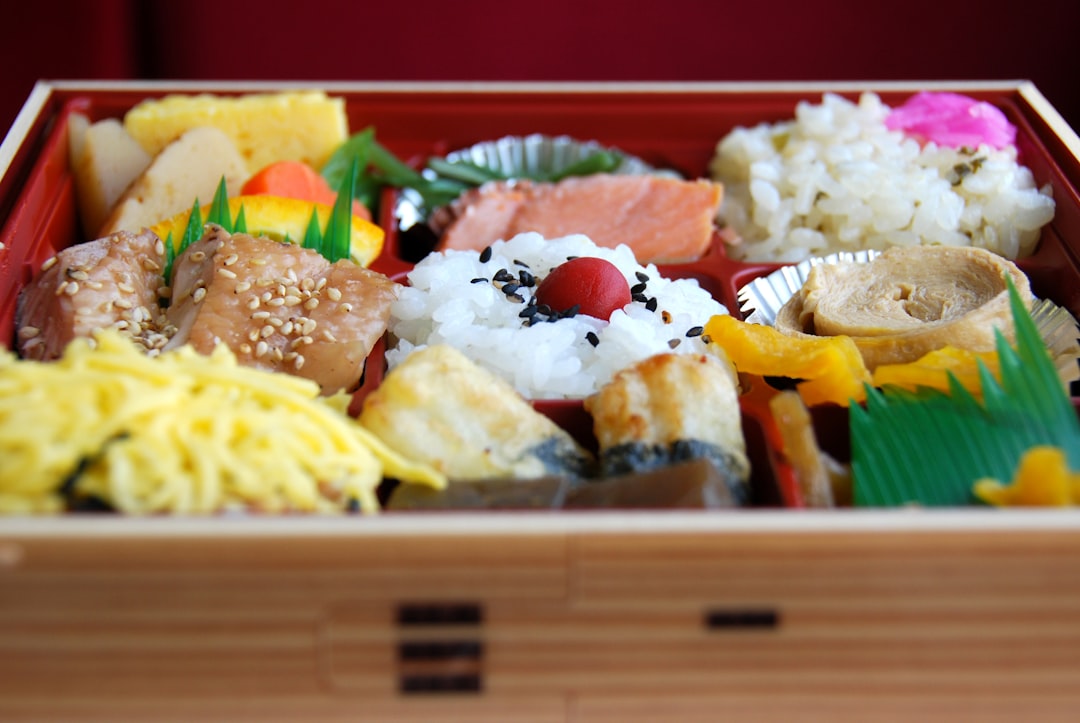
Why Take a Bento Box Making Class in Tokyo?
For most visitors, bento boxes are simply the colorful, compartmentalized lunches spotted in convenience stores, train stations, and school bags across Japan. But behind every neatly arranged box of rice, pickles, and perfectly cut vegetables lies a centuries-old culinary philosophy centered on balance, seasonality, and visual harmony. A Tokyo bento box making class for tourists offers a rare opportunity to step behind the curtain of this everyday art form and learn to create your own edible masterpiece from scratch.
Unlike a typical restaurant meal, a bento-making workshop is participatory. You are not just eating Japanese food; you are learning the techniques, etiquette, and aesthetic principles that make Japanese cuisine so distinctive. It’s an ideal activity for food lovers, families, solo travelers, and anyone looking for a memorable, hands-on souvenir that you can literally taste.
What Exactly Is a Bento Box?
The word ‘bento’ refers to a single-portion meal packed neatly into a box, traditionally divided into sections for rice, protein, and vegetables. Bento culture dates back centuries, evolving from simple rice balls carried by travelers into today’s intricate creations, including the famous ‘kyaraben’ (character bento) shaped like popular cartoon figures or animals. Bento is more than food packaging; it reflects care, mindfulness, and a deep respect for presentation that permeates Japanese daily life.
Key Principles Behind a Great Bento
- Balance of five colors: red, yellow, green, black, and white
- Balance of five flavors: sweet, sour, salty, bitter, and umami
- Efficient use of space with minimal food waste
- Seasonal ingredients that reflect the time of year
- Visual appeal that makes the meal enjoyable before the first bite
What to Expect in a Tokyo Bento Making Class
Most tourist-friendly bento classes in Tokyo are designed with international visitors in mind, meaning instructions are typically offered in English or with clear visual demonstrations. Classes usually run between two and three hours and are held in professional cooking studios, home kitchens, or dedicated cultural experience spaces, often in neighborhoods like Shibuya, Asakusa, Shinjuku, or Ueno.
A Typical Class Structure
- Introduction to bento history and etiquette
- Guidance on selecting and preparing seasonal ingredients
- Rice preparation, including proper seasoning and shaping techniques
- Cutting and arranging vegetables into decorative shapes
- Preparing a protein dish such as teriyaki chicken, tamagoyaki (rolled omelet), or tempura
- Assembling all components into your own bento box
- Enjoying your creation as a meal at the end of class
Many studios provide all ingredients, tools, and even a reusable bento box for you to take home, making it a practical souvenir as well as an unforgettable experience.
Popular Types of Bento Classes for Tourists
Character Bento (Kyaraben) Workshops
These playful classes teach you how to transform ordinary rice and vegetables into adorable characters, animals, or seasonal motifs using nori seaweed, food picks, and small cutting tools. They’re particularly popular with families traveling with children, though adults often find them just as delightful.
Traditional Washoku Bento Classes
Focused on authentic Japanese home cooking, these classes emphasize classic techniques such as simmering, grilling, and pickling, resulting in a bento that reflects traditional Japanese comfort food.
Seasonal and Sakura Bento Classes
Some studios offer limited-time classes themed around cherry blossoms in spring, autumn leaves, or New Year’s osechi-inspired boxes, allowing travelers to connect their bento with the season of their visit.
Who Should Take a Bento Making Class?
- Food enthusiasts wanting to go beyond sightseeing and truly understand Japanese cuisine
- Families looking for an interactive, kid-friendly activity
- Solo travelers seeking a social, community-based experience
- Home cooks wanting to bring authentic Japanese techniques back to their own kitchen
- Anyone looking for a rainy-day activity that doesn’t rely on weather
Tips for Choosing the Right Class
Check the Language Support
Confirm whether the class is conducted in English or offers English-speaking staff, as this greatly affects your comprehension and enjoyment, especially for detailed techniques like rice shaping or knife skills.
Consider Group Size
Smaller classes often allow for more personalized instruction, while larger group classes can be more social and sometimes more affordable.
Look for Dietary Accommodations
Many studios can adjust recipes for vegetarian, vegan, halal, or allergy-specific needs if you notify them in advance, so always communicate dietary restrictions when booking.
Read Reviews and Class Inclusions
Some classes include market visits to purchase fresh ingredients beforehand, adding an extra cultural layer to the experience. Others provide a bento box, apron, and recipe booklet to take home.
What to Bring and Wear
- Comfortable, casual clothing suitable for light cooking
- Hair ties if you have long hair, as most studios require hair to be tied back
- A camera or smartphone to document your creation
- An open mind and appetite for hands-on learning
Beyond the Class: Bringing Bento Culture Home
One of the greatest benefits of a bento making class is that the skills translate directly to your kitchen back home. Learning proper rice seasoning, basic vegetable cutting techniques, and balanced meal composition allows you to recreate a taste of Japan long after your trip ends. Many participants find that bento-making becomes a lasting hobby, encouraging more mindful, visually appealing, and balanced home-cooked meals.
Final Thoughts
A Tokyo bento box making class for tourists offers far more than a cooking lesson; it’s an immersive cultural experience that blends history, artistry, and flavor into a single, memorable afternoon. Whether you’re traveling with family, seeking a unique date activity, or simply passionate about Japanese food culture, learning to craft your own bento is a wonderfully hands-on way to deepen your connection with Japan. So next time you’re planning your Tokyo itinerary, consider setting aside a few hours to roll up your sleeves, pick up your chopsticks, and create your own delicious, edible work of art.
Photo by Henry Lim on Unsplash