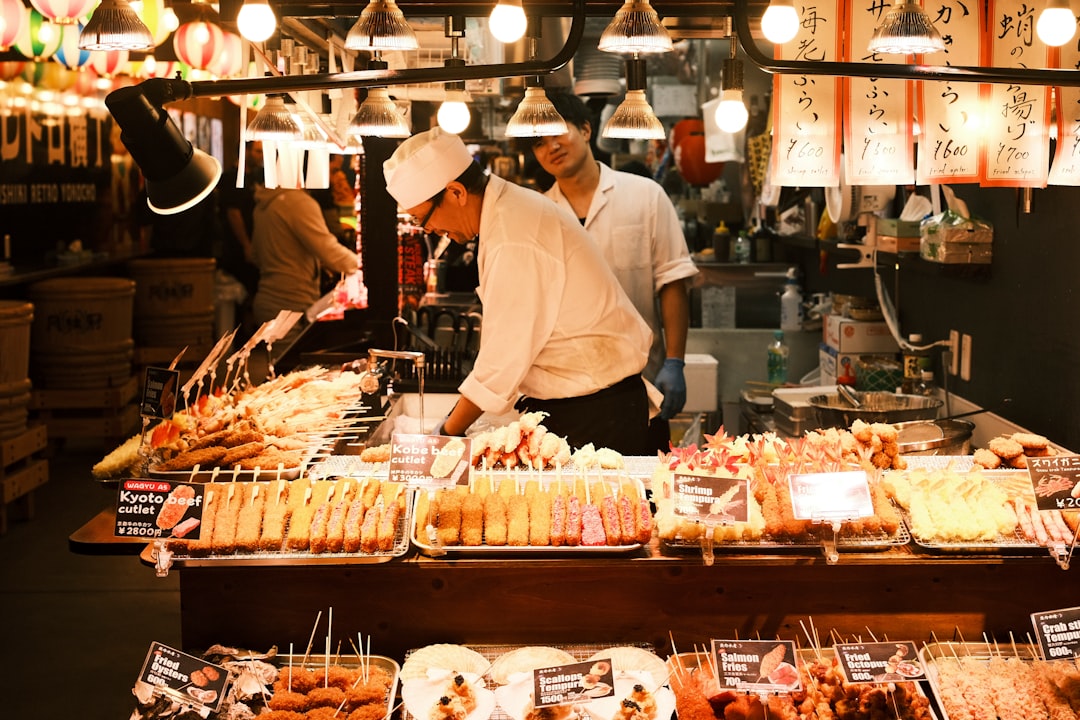
Welcome to Kyoto’s Kitchen
Stretching for five bustling blocks in the heart of downtown Kyoto, Nishiki Market has earned its nickname “Kyoto’s Kitchen” for good reason. This narrow, covered shopping arcade has been feeding locals and visitors for centuries, and today it stands as one of the best places in Japan to sample regional specialties without ever sitting down for a formal meal. If you’re planning a visit and wondering how to navigate the crowds, the stalls, and the sheer variety of food on offer, this guide will walk you through everything you need to know.
A Brief History of Nishiki Market
Nishiki Market’s origins trace back hundreds of years to when the area’s cold, clean underground water made it ideal for a fish market. Over time, the market expanded to include vegetables, pickles, sweets, and kitchenware, evolving into the diverse food street it is today. Many of the shops here are family-run businesses that have passed recipes and techniques down through multiple generations, giving the market an authenticity that’s hard to find elsewhere.
Getting to Nishiki Market
Nishiki Market is centrally located and easy to reach on foot from several major Kyoto attractions. It sits just north of Shijo-dori, one of the city’s main shopping streets, and is within walking distance of the Kamo River and the Gion district. The nearest train stations are Karasuma or Shijo Station on the Kyoto subway and Hankyu lines. Because the market is fully covered, it makes for a great rainy-day activity as well.
Best Times to Visit
Like most popular food destinations in Japan, Nishiki Market can get crowded, especially during midday and on weekends. For a more relaxed experience, arrive right when shops open in the morning, typically around 9 or 10 a.m. Weekday visits tend to be quieter than weekends. Keep in mind that many stalls close in the early evening, so this is not a nightlife destination — plan your visit for daytime hours.
Must-Try Food Stalls and Dishes
Tamagoyaki (Japanese Rolled Omelet)
Several stalls throughout the market specialize in tamagoyaki, a sweet and savory rolled omelet cooked in a rectangular pan. Vendors often skewer a slice on a stick, making it easy to eat while walking. The texture is fluffy and slightly custardy, and it’s a great introduction to Kyoto’s delicate approach to seasoning.
Fresh Seafood Skewers
Given the market’s origins as a fish market, seafood remains a highlight. Look for skewers of grilled scallops, octopus, and unagi (eel), often brushed with a savory-sweet sauce. Some stalls also offer sashimi cups for those wanting a quick, fresh bite.
Pickles (Tsukemono)
Kyoto is famous for its pickled vegetables, and Nishiki Market has entire shops dedicated to them. You’ll find pickled daikon, eggplant, cucumber, and seasonal vegetables in a rainbow of colors and flavors. Many shops offer small samples, making this a great way to explore different varieties before buying.
Yuba (Tofu Skin)
Yuba, the delicate skin that forms on the surface of simmering soy milk, is a Kyoto delicacy worth seeking out. It’s often served fresh with a dab of soy sauce or wasabi, and its subtle, creamy flavor is unlike typical tofu products.
Matcha and Wagashi Sweets
For those with a sweet tooth, Nishiki Market offers plenty of matcha-flavored treats, from soft-serve ice cream to mochi and traditional wagashi. These confections are visually beautiful and often reflect the current season’s themes and colors.
Croquettes and Fried Snacks
Freshly fried croquettes, including potato and seafood varieties, are popular grab-and-go options. Their crispy exterior and warm, savory filling make them a satisfying snack during a long walk through the market.
Baby Castella and Dango
Small, fluffy castella cakes and skewers of chewy dango are widely available and perfect for a quick sugar boost. Dango is often coated in a sweet soy glaze or covered in sweet red bean paste.
Tips for Enjoying Nishiki Market
- Bring cash. While some larger shops accept cards, many small stalls are cash-only.
- Eat as you walk, but be mindful of eating etiquette. It’s generally accepted to eat while walking through the market itself, but try not to eat while walking on regular city streets outside the arcade.
- Pace yourself. With so many tempting options, it’s easy to overeat. Consider sharing dishes with travel companions to try more variety.
- Dispose of trash properly. Public trash cans can be scarce, so many visitors bring a small bag to hold onto wrappers and skewers until they find a bin.
- Respect the shops. Many vendors are proud craftspeople, so a polite “arigatou gozaimasu” after a purchase goes a long way.
- Watch for seasonal specialties. Some stalls rotate their offerings based on the season, so a visit in different times of year can reveal new flavors.
Beyond Food: What Else to Find
While food is the main draw, Nishiki Market also houses shops selling kitchen knives, ceramics, tea, and traditional Kyoto crafts. If you’re interested in bringing home a quality Japanese knife or unique tableware, this is a great place to browse alongside your culinary adventures.
Pairing Nishiki Market With Other Kyoto Attractions
Because of its central location, Nishiki Market pairs well with a day of sightseeing in downtown Kyoto. Many visitors combine a morning or afternoon at the market with a stroll through the nearby Pontocho alley, a visit to Yasaka Shrine, or shopping along Shijo-dori. If you’re staying in the Gion or Kawaramachi area, the market makes for an easy and convenient food stop between sightseeing destinations.
Final Thoughts
Nishiki Market offers one of the most immersive food experiences in Kyoto, letting visitors sample generations-old recipes and regional specialties in a single walkable stretch. Whether you’re grazing your way through skewers and pickles or hunting for the perfect matcha treat, the market rewards curious eaters willing to explore its many small stalls. Take your time, come hungry, and let Kyoto’s Kitchen introduce you to some of the city’s most beloved flavors.
Photo by Perry Merrity II on Unsplash