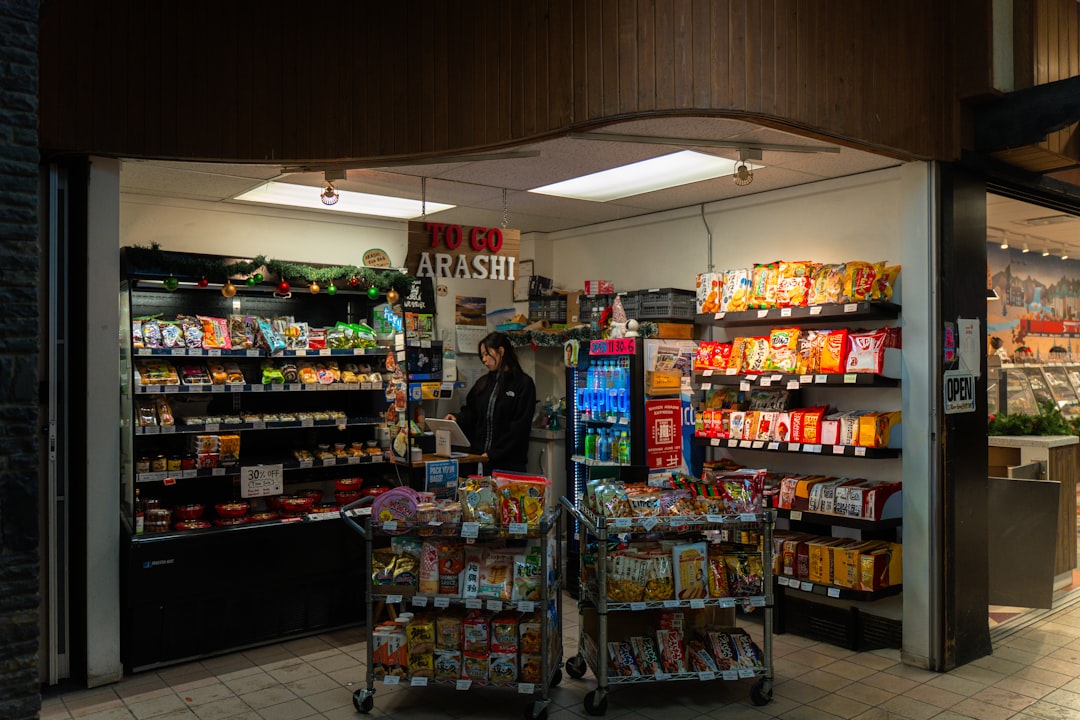
Navigating Japan’s Konbini Culture on a Gluten-Free Diet
Japan’s convenience stores, affectionately known as “konbini,” are nothing short of a national treasure. With a store seemingly on every corner in cities like Tokyo, Osaka, and Kyoto, chains like 7-Eleven, Lawson, and FamilyMart offer everything from fresh onigiri to surprisingly good desserts, all available 24 hours a day. But if you’re traveling with celiac disease, a gluten intolerance, or simply choosing to avoid gluten, the konbini can feel like a minefield. Soy sauce, wheat starch, and malt extract lurk in unexpected places, and Japan’s food labeling laws don’t always require full allergen transparency the way some Western countries do.
The good news? With a little knowledge, Japanese convenience stores can actually become one of your best resources for quick, affordable, gluten-free snacking. This guide breaks down what to look for, what to avoid, and which specific snack categories tend to be safest.
Why Gluten-Free Eating in Japan Requires Extra Care
Unlike the United States or the EU, Japan does not mandate gluten to be listed as a top allergen on packaging. Instead, Japan’s official allergy labeling system focuses on seven mandatory allergens: eggs, milk, wheat, buckwheat, peanuts, shrimp, and crab. Wheat (komugi) is included, which helps, but soy sauce, a near-universal ingredient in Japanese cooking, is almost always brewed with wheat unless specifically labeled otherwise. This means even snacks that seem obviously gluten-free, like rice crackers or dried seaweed, can contain hidden wheat through soy sauce seasoning or glaze.
Cross-contamination is another consideration. Japanese factories often produce multiple products on shared lines, and packaging will sometimes include a disclaimer noting that the item is “produced in a facility that also processes wheat.” For those with celiac disease, this level of detail matters, so always check the ingredient panel closely rather than relying on a product simply looking gluten-free.
Reading the Label: Key Japanese Words to Know
- 小麦 (komugi) - wheat
- 小麦粉 (komugiko) - wheat flour
- 醤油 (shoyu) - soy sauce (often contains wheat)
- 麦芽 (bakuga) - malt
- グルテン (guruten) - gluten
- アレルギー物質 (arerugii busshitsu) - allergy substances (look for this section on packaging)
Downloading a translation app like Google Translate with the camera feature is essential. It allows you to scan ingredient lists in real time, which is invaluable when standing in a fluorescent-lit konbini aisle trying to make a quick decision.
The Best Gluten-Free Convenience Store Snacks to Try
Onigiri (Rice Balls) - With Caution
Onigiri are the quintessential konbini snack, and many fillings are naturally gluten-free, such as plain salted salmon, pickled plum (umeboshi), and kelp (konbu). However, always check the label, since some fillings like teriyaki chicken or mayo-based tuna use soy sauce or seasoning blends that may contain wheat. Plain salt-grilled salmon onigiri and umeboshi onigiri are generally the safest bets across all major chains.
Roasted Nuts and Edamame
Bagged roasted almonds, cashews, and mixed nuts are widely available and often gluten-free, though flavored varieties should be checked for soy sauce glazes. Steamed or salted edamame in the pod is one of the most reliably gluten-free snacks in any konbini, packed with protein and perfect for snacking on the go.
Boiled Eggs and Cheese Sticks
Simple konbini staples like ajitsuke tamago (seasoned boiled eggs) and individually wrapped cheese sticks (candy cheese) are usually gluten-free, though it’s worth double-checking seasoned eggs since some use soy-based marinades. Plain cheese products are typically a safe choice.
Potato Chips (Select Flavors)
Plain salted potato chips are almost always gluten-free, and even some Japan-exclusive flavors like consommé or seaweed can be safe, though soy sauce-based flavors such as teriyaki or yakisoba-flavored chips should be avoided or checked carefully. Calbee, one of Japan’s largest snack manufacturers, often lists allergen information clearly on the back of the bag.
Rice Crackers (Senbei)
This category is a mixed bag, quite literally. Some senbei are made purely from rice and salt, making them naturally gluten-free, while others are brushed with a soy sauce glaze that introduces wheat. Look for varieties labeled simply as “shio senbei” (salt rice crackers) rather than “shoyu senbei” (soy sauce rice crackers) for a safer option.
Dried Fish and Jerky Snacks
Dried squid (surume) and fish jerky snacks are popular in Japanese konbini and are often gluten-free, though some are seasoned with soy sauce or teriyaki glaze. Plain dried fish varieties tend to be the safest choice.
Fruit Cups and Fresh Fruit
Most konbini sell pre-cut fruit cups containing pineapple, melon, or mixed fruit, which are naturally gluten-free and a refreshing option, especially during Japan’s humid summer months.
Store-by-Store Highlights
7-Eleven Japan
7-Eleven has one of the more detailed allergen labeling systems among Japanese convenience stores, often listing all seven mandatory allergens directly on the packaging in an easy-to-spot table. Their plain onigiri and roasted nut selections are consistently reliable choices.
Lawson
Lawson has increasingly catered to health-conscious consumers with its “Lawson Select” health-focused snack line, which includes several protein-based snacks like boiled eggs and cheese products that are naturally low in gluten-containing ingredients.
FamilyMart
FamilyMart’s fresh food section often includes salads with simple vinaigrette dressings that avoid wheat-based thickeners, though it’s worth checking dressing packets separately, as some contain soy sauce or wheat-based thickening agents.
Gluten-Containing Snacks to Watch Out For
- Instant ramen cups and noodle-based snacks (wheat noodles)
- Karaage (fried chicken) - often coated in wheat flour batter
- Sandwiches and bread-based items (katsu sando, melon pan, etc.)
- Most sauce-based rice bowls (soy sauce marinades)
- Tempura-style snacks
- Many candy and chocolate items containing biscuit or cookie pieces
Practical Tips for Gluten-Free Konbini Success
Carry a printed gluten-free translation card in Japanese explaining your dietary needs, which you can show to store staff if you have questions about a specific product. Many convenience store employees are accustomed to seeing these cards and appreciate the clarity. Additionally, consider using specialized apps designed for travelers with dietary restrictions in Japan, which often include user-submitted photos of ingredient labels with English translations.
It’s also worth stocking up on shelf-stable snacks like roasted nuts, rice crackers, and dried fruit at the start of your trip so you always have a reliable backup option, even in more rural areas where English labeling may be less common.
Final Thoughts
While navigating gluten-free eating in Japan takes a bit of extra homework, convenience stores can absolutely be your ally rather than your enemy. With careful label reading, a few key Japanese phrases, and a willingness to stick to simple, whole-ingredient snacks like onigiri, nuts, boiled eggs, and rice crackers, you can snack confidently on the go throughout your Japan adventure. The konbini shelves may look overwhelming at first, but once you know what to look for, they become one of the most convenient and budget-friendly resources for gluten-free travelers anywhere in the world.
Photo by Josh Marty on Unsplash