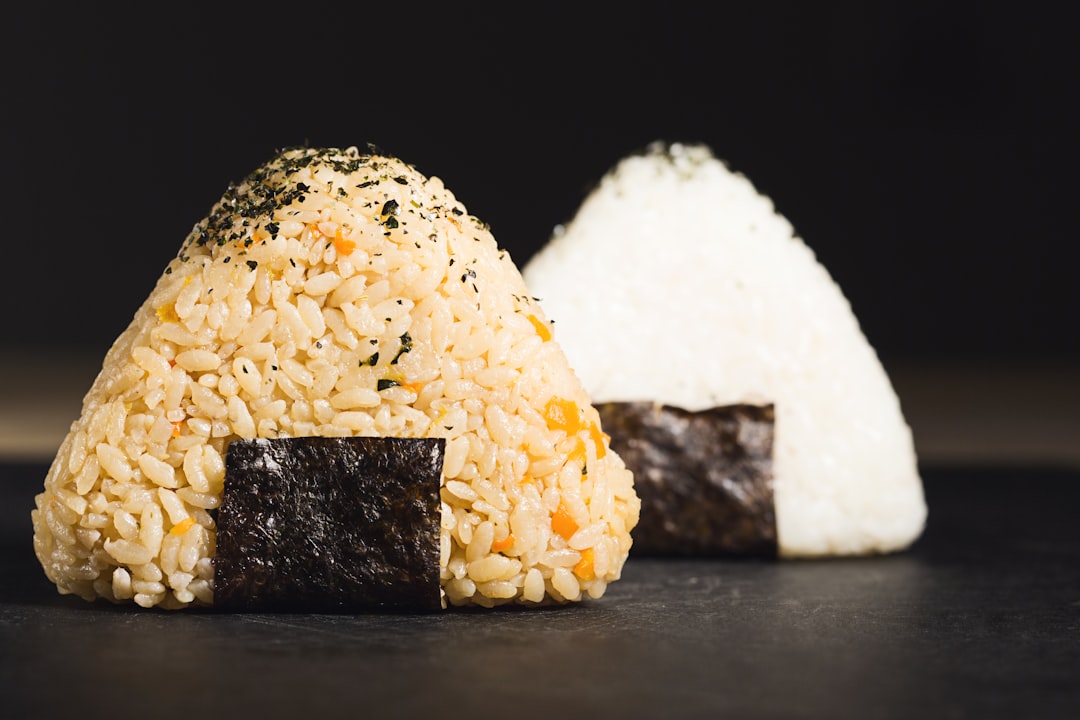
Why 7-Eleven Onigiri Are a Must-Try in Japan
If there is one souvenir of everyday Japanese life that every traveler should experience, it is the humble onigiri from 7-Eleven. These triangular rice balls, wrapped in crisp seaweed and packed with savory fillings, are sold in nearly every branch of Japan’s most beloved convenience store chain. Cheap, delicious, and endlessly varied, 7-Eleven onigiri offer a genuine taste of Japanese comfort food without requiring a reservation or a phrasebook. Whether you are backpacking through Tokyo, exploring rural Hokkaido, or simply killing time at a train station, onigiri are always within reach.
What makes 7-Eleven onigiri so special is the incredible attention to detail. The rice is fluffy and slightly warm, the nori (seaweed) stays crunchy thanks to clever separator packaging, and the fillings range from classic to seasonal specialties that rotate throughout the year. In this guide, we break down the best 7-Eleven onigiri flavors to try, so you can navigate the convenience store shelves like a local.
How to Read 7-Eleven Onigiri Packaging
Before diving into flavors, it helps to understand the packaging. Each onigiri comes wrapped in a plastic film with a small tab. Pulling the tab in the correct order separates the rice from the seaweed during unwrapping, keeping the nori crisp until the moment you eat it. Most packages display a picture of the filling and Japanese text describing the flavor, and many now include English labels or pictograms, making it easier for non-Japanese speakers to choose confidently.
Classic Onigiri Flavors You Should Not Miss
1. Umeboshi (Pickled Plum)
Umeboshi is one of the most traditional onigiri fillings in Japan. The salty, intensely sour pickled plum is an acquired taste for some travelers, but it is beloved by locals for its refreshing tang and reputed digestive benefits. If you want an authentic taste of old-school Japanese cuisine, this is the flavor to start with.
2. Shake (Grilled Salmon)
Simple, comforting, and universally popular, grilled salmon onigiri is a safe bet for first-timers. The flaky salted salmon pairs beautifully with warm rice, making it one of the best-selling onigiri flavors year-round.
3. Tuna Mayo (Tsuna Mayo)
A modern classic that blends canned tuna with creamy Japanese mayonnaise, tuna mayo onigiri is mild, satisfying, and a favorite among children and adults alike. Its rich, slightly sweet flavor makes it an excellent introduction to onigiri for travelers hesitant about stronger Japanese flavors.
4. Konbu (Simmered Kelp)
Konbu onigiri features seaweed simmered in soy sauce and sugar until tender and slightly sweet. The umami-rich filling is a great vegetarian-friendly option, though be aware that the rice itself may still be prepared with ingredients derived from fish stock in some cases, so vegetarians should check labels carefully.
5. Okaka (Bonito Flakes with Soy Sauce)
Okaka combines dried bonito flakes with soy sauce for a smoky, savory bite. It is a subtle yet deeply satisfying flavor that showcases the umami backbone of Japanese cooking.
Unique and Seasonal 7-Eleven Onigiri Flavors
6. Mentaiko (Spicy Cod Roe)
For travelers who enjoy a little heat, mentaiko onigiri is a standout choice. The spicy, slightly briny cod roe filling delivers a punch of flavor that pairs perfectly with plain rice, offering a more adventurous alternative to the milder classics.
7. Karaage Mayo (Fried Chicken with Mayo)
A heartier option, karaage mayo onigiri packs bite-sized pieces of Japanese fried chicken and mayo into the rice ball, creating a filling and indulgent snack that feels more like a meal than a quick bite.
8. Yaki Onigiri (Grilled Soy Sauce Rice Ball)
Unlike other onigiri that use raw nori wrapping, yaki onigiri is grilled and brushed with soy sauce, giving it a smoky, slightly charred exterior. It is often sold without a seaweed wrapper and has a satisfying chewy texture that sets it apart from the rest of the lineup.
9. Ten-musu (Tempura Shrimp)
A regional specialty from the Ise-Shima area, ten-musu onigiri contains a small piece of shrimp tempura seasoned with a savory sauce. This flavor offers a delightful contrast of crispy tempura batter against soft rice, making it a fun textural experience.
10. Seasonal Limited Editions
7-Eleven frequently rotates limited-edition onigiri flavors that reflect seasonal ingredients and regional specialties. These can include truffle-flavored rice, wasabi-infused fillings, or collaborations with popular Japanese food brands. Keep an eye out for new arrivals, as these limited releases often sell out quickly and provide a unique snapshot of Japanese culinary trends.
Tips for Enjoying 7-Eleven Onigiri Like a Local
- Eat onigiri fresh: Convenience store rice balls taste best within a few hours of purchase, as the rice can harden if refrigerated.
- Master the wrapper: Follow the numbered tabs on the packaging to keep the nori crisp and avoid a rice ball meltdown.
- Mix flavors: Buying two or three different onigiri creates a mini tasting set, ideal for sampling multiple flavors in one sitting.
- Pair with tea: A bottle of green tea or roasted barley tea from the same store complements the savory rice perfectly.
- Check the calorie and ingredient labels: Many onigiri list allergen information, useful for travelers with dietary restrictions.
Why Onigiri Are the Perfect Travel Snack in Japan
Beyond their delicious taste, onigiri are practical for travelers. They are inexpensive, portable, and require no utensils, making them ideal for eating on trains, in parks, or while walking between sightseeing spots. Because 7-Eleven stores are found virtually everywhere in Japan, from major cities to remote countryside towns, onigiri offer a consistent and reliable meal option no matter where your journey takes you.
Trying different 7-Eleven onigiri flavors is also a wonderful way to explore regional and seasonal Japanese food culture without committing to a full restaurant meal. Each filling tells a small story about Japanese culinary traditions, from the preservation techniques behind umeboshi to the modern fusion flavors seen in tuna mayo and karaage mayo.
Final Thoughts
7-Eleven onigiri may seem like a small, everyday snack, but they represent something much bigger: the accessibility and quality that define convenience store food culture in Japan. Whether you gravitate toward the salty punch of umeboshi, the comforting richness of tuna mayo, or the spicy kick of mentaiko, there is an onigiri flavor for every palate. Next time you find yourself browsing the shelves of a 7-Eleven in Japan, use this guide to pick your next favorite flavor, and enjoy a delicious, authentic taste of Japanese daily life.
Photo by Luigi Pozzoli on Unsplash