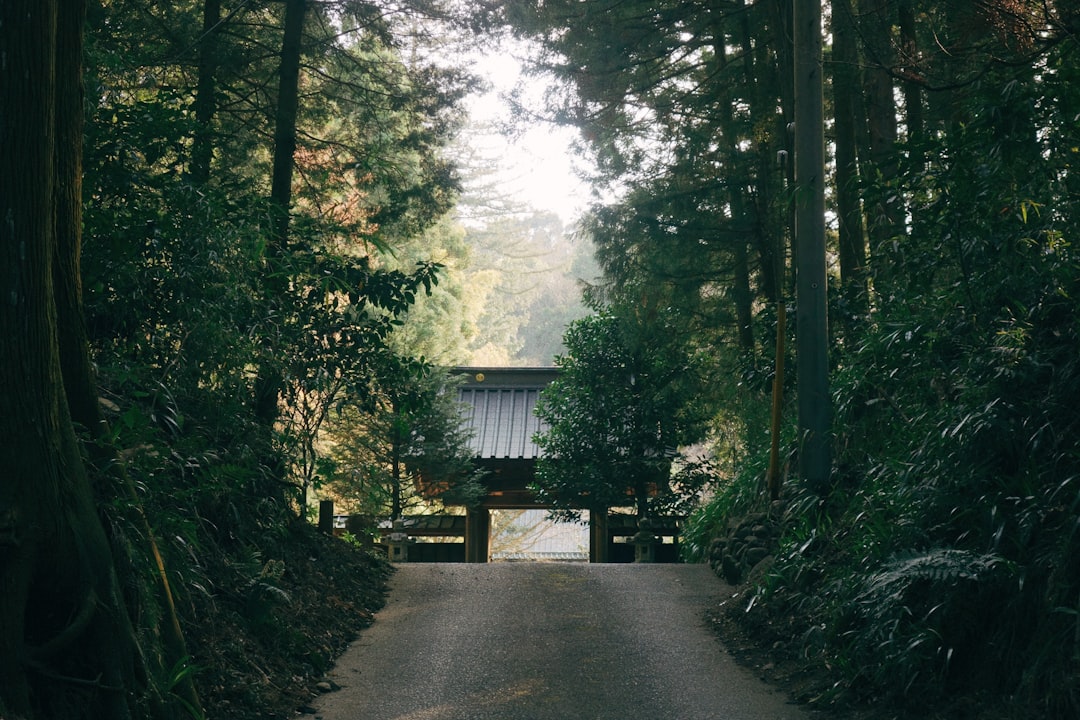
Why a Koyasan Temple Stay Belongs on Every Japan Itinerary
Perched atop a forested plateau in Wakayama Prefecture, Koyasan (Mount Koya) is the spiritual heart of Shingon Buddhism, founded over a thousand years ago by the monk Kukai (Kobo Daishi). Today, more than fifty temples on the mountain open their doors to travelers through a tradition called shukubo, or temple lodging. Staying overnight lets you sleep in tatami rooms once used by pilgrims, eat delicate vegetarian shojin ryori cuisine, and wake before dawn for a hypnotic morning prayer service. It is one of the most memorable overnight experiences in Japan, but because rooms are limited and demand is high, understanding how and when to reserve is essential. This guide walks you through every practical step of booking a Koyasan temple stay.
How Far in Advance Should You Book?
Because Koyasan has a finite number of shukubo and each temple only holds a handful of guest rooms, reservations should ideally be made two to three months ahead for weekends, national holidays, and the peak autumn foliage or spring seasons. If you are traveling during a quieter weekday in the off-season, three to four weeks of notice is often enough, but popular or highly rated temples can fill up even then. Solo travelers and last-minute planners should be flexible with temple choice rather than fixating on one specific property, since availability shifts constantly.
Best (and Busiest) Times to Visit
- Spring: Fresh greenery and mild weather draw steady crowds; book early for weekends.
- Summer: Cooler mountain temperatures make Koyasan a popular escape from the humid lowlands.
- Autumn: The single busiest season thanks to spectacular foliage around the temple complexes and Okunoin cemetery — reserve as early as possible.
- Winter: Quiet and atmospheric, sometimes with snow, and generally the easiest season to secure a room with short notice.
Choosing the Right Temple for Your Stay
Not all shukubo are identical. Some emphasize traditional simplicity with shared bathrooms and futon bedding, while others offer private en-suite facilities, elegant gardens, or even a small gift shop. Before booking, consider these factors:
- Private vs. shared bathroom: Family-run temples often have shared facilities, while larger temples cater more to international visitors with private baths.
- Access to Okunoin: Temples closer to the Okunoin cemetery allow an easy evening or early-morning walk through the cedar forest.
- English support: Some temples have staff comfortable with English communication, useful if you have dietary restrictions or specific questions.
- Group size: Families or larger groups should confirm room capacity in advance, as many rooms are designed for two to four guests.
- Dietary needs: Vegan shojin ryori is naturally plant-based, but notify the temple ahead if you have allergies, as some dishes contain sesame, soy, or wheat gluten.
How to Make a Reservation
1. Official Koyasan Shukubo Association
The most reliable starting point is the Koyasan Shukubo Association, which lists most participating temples, their amenities, and pricing. Their website allows browsing by temple name, and many entries include direct booking links or contact information. This is the best resource for verifying which temples are currently accepting international guests.
2. Online Travel Agencies
Several major hotel and travel booking platforms now list select Koyasan temples alongside standard hotels. This method is convenient because it allows instant confirmation, English-language interfaces, and easy cancellation policies, though not every temple participates and prices may include a service markup.
3. Direct Booking via Phone or Email
For temples not listed on booking platforms, direct contact is necessary. A short, polite email in English (many temples have at least basic reading ability) or a phone call arranged through a Japanese-speaking friend, hotel concierge, or tourist information center can secure a spot. Always specify your desired date, number of guests, meal preferences, and whether you need a private bathroom.
4. Through a Local Travel Agent or Concierge
If you are already staying in Osaka, Kyoto, or Wakayama City, many hotel concierges and travel agencies can arrange a Koyasan shukubo booking on your behalf, particularly useful for non-Japanese speakers who want peace of mind.
What to Expect During Your Stay
Temple lodging follows a fairly consistent rhythm across Koyasan, though small details vary by temple.
- Check-in: Typically between 2:00 PM and 5:00 PM; arriving after dark without prior notice can cause problems since many temples lock their gates early.
- Dinner: Served in your room or a communal dining hall around 5:30–6:30 PM, featuring seasonal shojin ryori — vegetarian dishes using tofu, seasonal vegetables, and mountain vegetables (sansai), all prepared without meat, fish, or strong alliums like garlic and onion.
- Evening free time: Many guests use this window to walk through the illuminated Okunoin cemetery, though torches or a flashlight are recommended.
- Morning service (Otsutome): Usually held between 6:00 and 7:00 AM, this Buddhist prayer ceremony involves chanting, drums, and sometimes a fire ritual (goma). Guests are welcome to observe respectfully.
- Breakfast: A simple vegetarian meal served after the morning service.
- Checkout: Generally by 10:00 AM.
Pricing and Payment Tips
Rates for a Koyasan temple stay typically include both dinner and breakfast and vary based on room type, season, and amenities. Budget for a mid-range ryokan-style price, with premium temples charging more for private facilities or historic garden views. Cash is still preferred at many smaller temples, so carry enough yen, though larger temples increasingly accept credit cards. Confirm the cancellation policy at the time of booking, as many temples require notice several days in advance to avoid a cancellation fee.
Getting to Koyasan
The most scenic route is via Nankai Railway from Osaka’s Namba Station to Gokurakubashi Station, followed by the steep Koyasan Cable Car up the mountain, and finally a short local bus ride to your temple. Purchasing a discount pass that bundles train, cable car, and bus travel is often the most economical option, and many passes also include discounts at temple attractions.
Practical Reservation Checklist
- Decide on your travel dates and check the seasonal demand level.
- Shortlist two or three temples that match your budget and bathroom preference.
- Contact the Koyasan Shukubo Association or booking platform to check availability.
- Confirm meal preferences, allergies, and arrival time when booking.
- Note the cancellation deadline and payment method accepted.
- Plan your transportation using the Nankai Railway and cable car schedule.
Etiquette Tips for a Smooth Stay
Respectful behavior enhances the experience for everyone. Remove shoes before entering tatami rooms, keep noise levels low in the evening, and dress modestly if attending the morning prayer service. Photography is often restricted inside the main halls during ceremonies, so always ask before taking pictures. Treat the shared spaces, gardens, and altars with the same reverence local pilgrims have shown for centuries.
Final Thoughts
A night in a Koyasan shukubo offers a rare blend of spiritual immersion, culinary discovery, and architectural beauty that few other Japan travel experiences can match. By booking early, choosing a temple that fits your needs, and understanding the daily rhythm of temple life, you can turn a simple overnight stay into one of the most meaningful memories of your trip to Japan. Whether you are drawn by the mist-covered cedar forests of Okunoin, the taste of delicate shojin ryori, or the quiet resonance of monks chanting at dawn, careful planning ensures your Mount Koya temple stay lives up to its legendary reputation.
Photo by Anne Laure P on Unsplash