Japan’s backpacker hostel scene has quietly become one of the most vibrant social ecosystems in Asia. Long gone are the days when budget travelers in Japan were limited to sterile business hotels or anonymous capsule pods with no chance of conversation. Today, a new generation of design-forward hostels with buzzing social lounges has transformed how travelers experience the country, turning overnight stays into genuine cultural exchanges. This guide breaks down everything you need to know about backpacker hostel culture in Japan, from lounge etiquette to the best cities for meeting fellow travelers.
Why Japan’s Hostel Culture Is Unlike Anywhere Else
Japan blends its deep-rooted values of hospitality, cleanliness, and quiet respect with the increasingly international, communal spirit of global backpacker culture. The result is a hybrid hostel experience: spotless dorms and immaculate bathrooms paired with lively common areas that encourage cross-cultural mingling. Many hostels are staffed by bilingual or multilingual teams who double as informal tour guides, restaurant recommenders, and cultural translators, helping bridge the gap between Japanese customs and foreign expectations.
Unlike hostels in some Western backpacking hubs that can feel rowdy or party-focused, Japanese hostels tend to strike a balance. You’ll find craft beer taps and DJ nights in some venues, but even the liveliest hostels usually enforce quiet hours and respect for shared space, reflecting broader Japanese social norms around consideration for others.
The Rise of the Social Lounge
The defining feature of modern Japanese hostels is the social lounge. These are communal spaces designed specifically to spark interaction, and they’ve become the heart of backpacker life across the country. A great social lounge typically includes:
- A bar or self-serve drinks counter, often with local craft beer, sake, or highballs
- Communal tables and low seating designed for group conversation
- Board games, books, and sometimes musical instruments
- Regularly scheduled events such as izakaya crawls, sushi-making workshops, or local sake tastings
- Free wifi and charging stations that encourage lingering rather than isolating in a dorm bunk
Some flagship hostels in cities like Tokyo, Kyoto, and Osaka have gone even further, incorporating rooftop terraces, in-house cafes that convert into bars at night, and co-working spaces for digital nomads. These lounges aren’t just amenities, they’re the primary reason many travelers choose one hostel over another.
Evening Events and Organized Activities
Many hostels run nightly or weekly programming to help guests break the ice. Common formats include welcome drinks at check-in, communal dinners where guests cook and share a meal together, guided pub crawls through the local nightlife district, and cultural workshops such as calligraphy, origami, or tea ceremony demonstrations. These events are especially valuable for solo travelers, since they provide a low-pressure way to meet people without needing to navigate a language barrier alone.
Types of Budget Accommodation You’ll Encounter
Understanding the landscape of Japanese budget stays will help you choose the right base for your trip.
Dormitory Hostels
The classic backpacker setup, with bunk beds in shared rooms, communal bathrooms, and shared kitchens. These are the most social option and the best choice if meeting people is your priority.
Capsule Hotels
Originally designed for salarymen who missed the last train, capsule hotels have evolved into a stylish, affordable option for travelers. While the sleeping pods themselves are private and quiet, many modern capsule hotels now include lounge areas and communal facilities that borrow directly from hostel culture.
Guesthouses
Smaller and more intimate than large hostels, guesthouses often occupy renovated traditional machiya townhouses or old apartment buildings. They tend to attract a mix of long-term budget travelers and offer a homier, quieter social atmosphere.
Hybrid Design Hostels
A growing category blending boutique hotel aesthetics with hostel pricing and social infrastructure. These are often found in trendy neighborhoods and attract a younger, design-conscious crowd.
Hostel Etiquette in Japan
Because Japanese hostel culture merges international backpacker norms with local customs, it’s worth understanding a few etiquette points before you check in.
- Remove your shoes at the entrance; most hostels provide slippers or require socks in common areas
- Keep noise to a minimum after posted quiet hours, even in the lounge
- Separate your trash carefully, as Japan has strict recycling categories
- Avoid eating strong-smelling food in shared dorm rooms; use the kitchen or lounge instead
- Be mindful of locker space and avoid leaving belongings in common areas
- Speak softly on phone calls in shared spaces, and consider stepping outside for longer conversations
These norms aren’t meant to stifle fun, they simply ensure that the social atmosphere remains enjoyable for everyone sharing the space.
Best Cities for Hostel Social Life
Tokyo
Neighborhoods like Asakusa, Ueno, and Shimokitazawa host some of the liveliest hostels, often featuring rooftop bars and weekly events tailored to a mixed crowd of international and domestic travelers.
Kyoto
Kyoto’s hostels tend to lean into a cozier, cultural vibe, with many housed in converted traditional buildings offering tea ceremonies, calligraphy nights, and communal dinners featuring local specialties.
Osaka
Known for its food culture and outgoing locals, Osaka’s hostels often organize street food tours and izakaya hopping nights, making it one of the easiest cities to form quick friendships.
Fukuoka and Hiroshima
Smaller but increasingly popular, these cities offer a quieter, more intimate hostel scene ideal for travelers seeking meaningful conversations over big party nights.
Tips for Making the Most of Hostel Social Life
- Arrive during check-in hours when the lounge is typically busiest, making it easier to strike up conversations
- Say yes to organized activities, even if they seem outside your comfort zone
- Bring a deck of cards or a small travel game, they’re excellent conversation starters
- Offer to cook or share a meal in the communal kitchen
- Stay a second night if you’ve made connections you want to explore the city with
- Be respectful but proactive, most solo travelers are equally hoping someone will start a conversation
Booking Smart for a Social Stay
Not every hostel prioritizes social atmosphere equally, so it pays to research before booking. Look for hostels with dedicated lounge photos in their listings, recent reviews mentioning events or friendly staff, and locations near nightlife or dining districts rather than purely residential areas. Smaller boutique hostels with fewer than fifty beds often foster tighter-knit communities than massive chain-style properties, though larger hostels sometimes compensate with more frequent programming.
Final Thoughts
Backpacker hostel culture in Japan offers something increasingly rare: a way to experience the country’s renowned hospitality and cleanliness alongside genuine, spontaneous human connection. Whether you’re sipping a highball in a Tokyo rooftop lounge, learning to fold origami cranes in a Kyoto machiya, or sharing a home-cooked meal with strangers who quickly become friends, the social lounge has redefined what budget travel in Japan can feel like. Choose your hostel thoughtfully, embrace the communal spaces, and you’ll likely leave Japan with more than just photos, you’ll leave with a network of friends scattered across the globe.
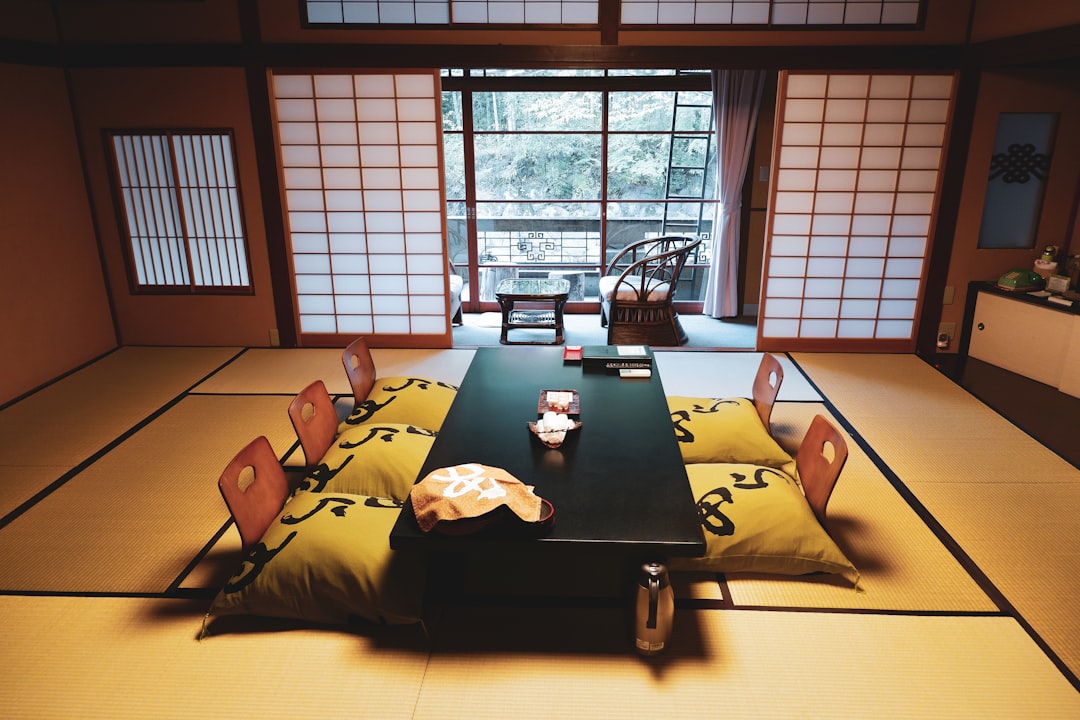
Photo by Susann Schuster on Unsplash