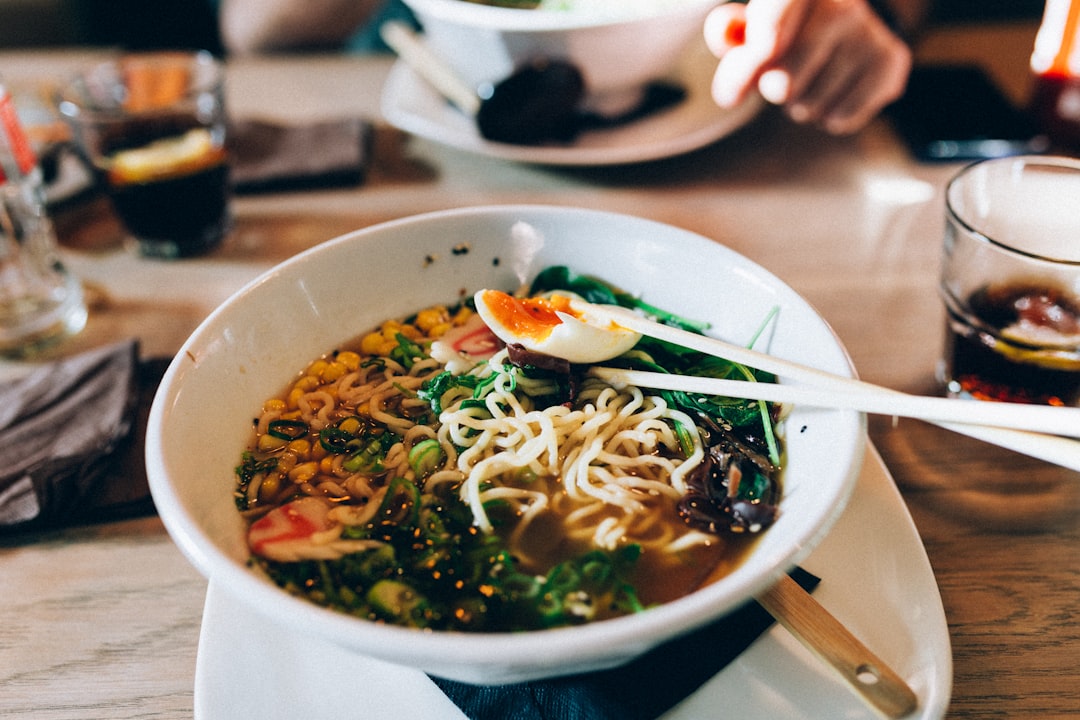

Photo by Volkan Kaçmaz on Unsplash
Why Tokyo’s Michelin-Starred Ramen Scene Is Unlike Anywhere Else
Ramen has long been considered Japan’s ultimate comfort food, a humble bowl of noodles enjoyed at lightning speed on a lunch break. Yet Tokyo turned that narrative on its head when the Michelin Guide began recognizing ramen shops alongside the city’s most refined kaiseki restaurants and sushi counters. For travelers seeking an unforgettable culinary adventure, tracking down Michelin-starred ramen in Tokyo has become one of the most exciting food pilgrimages in the world. This guide walks you through the history, the standout shops, and everything you need to know to enjoy this uniquely Tokyo experience.
The Ramen Shop That Changed Everything
The turning point for ramen’s culinary reputation came when Tsuta, a tiny 9-seat shop originally located in Sugamo, became the first ramen restaurant in the world to receive a Michelin star. This historic moment proved that ramen could be judged with the same seriousness as any fine-dining cuisine, and it opened the door for other ramen chefs to be recognized for their craftsmanship, technique, and creativity. Since then, Tokyo’s ramen scene has continued to attract Michelin recognition, with several shops earning stars or the prestigious Bib Gourmand distinction for exceptional quality at accessible prices.
What Makes a Bowl of Ramen Michelin-Worthy?
Unlike sushi or French cuisine, ramen was never designed to fit neatly into Michelin’s traditional evaluation criteria. Inspectors look for several key elements that elevate a bowl beyond the ordinary:
- Broth complexity: Layers of umami built from dashi, seafood, poultry, or pork, often infused with truffle oil, matsutake mushrooms, or other luxury ingredients.
- Noodle craftsmanship: House-made noodles with precise texture and thickness tailored to the broth.
- Balance and originality: A distinct chef’s vision that elevates the dish beyond typical shop offerings.
- Consistency: The ability to deliver the same exceptional quality bowl after bowl, day after day.
This meticulous attention to detail is why these shops routinely have queues forming well before opening time.
Notable Michelin-Recognized Ramen Shops to Know
Tsuta (Now Ginza Hachigo)
The shop that started it all continues to draw ramen pilgrims from around the globe. Known for its shoyu ramen finished with truffle oil, Tsuta’s legacy lives on through its refined, French-influenced approach to traditional ramen. Expect an elegant, minimalist bowl that showcases balance over boldness.
Nakiryu
Specializing in tantanmen (spicy sesame noodle soup), Nakiryu has earned a loyal following and Michelin recognition for its rich, nutty broth with just the right kick of heat. The Toshima neighborhood location is compact, so arriving early is essential.
Kagari
Tucked into a quiet Ginza backstreet, Kagari is famous for its paitan-style chicken broth ramen, prized for its silky, almost creamy texture. This shop proves that simplicity, when executed with precision, can be just as impressive as complex flavor profiles.
Konjiki Hototogisu
Located near Shinjuku, this shop blends seafood and pork broths for a deeply savory, umami-forward bowl. Its clam-based ramen variation has become particularly famous among ramen enthusiasts seeking something outside the traditional shoyu or miso mold.
Other Rising Stars
Tokyo’s ramen landscape is constantly evolving, and several shops receive Bib Gourmand recognition each year for offering exceptional value and quality. Exploring neighborhoods like Ikebukuro, Shibuya, and Ebisu often leads to hidden gems that haven’t yet gained mainstream international attention but are beloved by locals.
Tips for Visiting Michelin-Starred Ramen Shops
Dining at these acclaimed shops requires a bit of strategy, as they operate quite differently from Michelin-starred restaurants in other categories.
- Arrive early: Many shops open for lunch around 11:00 AM, and lines can form 30-60 minutes beforehand. Arriving early is the best way to avoid long waits or sold-out noodles.
- Use ticket machines: Most ramen shops use vending machines at the entrance where you select and pay for your order before sitting down. Machines are usually in Japanese, but many now include English or picture menus.
- Bring cash: While card payments are becoming more common, many smaller ramen shops still operate on a cash-only basis.
- Eat efficiently: Ramen shops are designed for quick turnover. Lingering after your meal, especially during busy hours, is considered impolite.
- Slurping is welcome: Unlike some dining cultures, slurping noodles in Japan is not only acceptable but is believed to enhance the flavor by aerating the broth.
- Check for seasonal closures: Popular shops sometimes close temporarily for renovations or take extended holidays, so verifying opening hours before your visit is wise.
Planning Your Ramen Pilgrimage
Because these shops are often small with limited seating, spontaneity works better than rigid reservations, as many don’t accept them at all. Building a flexible itinerary that allows you to visit two or three shops across different Tokyo neighborhoods in a single day is a great way to experience the diversity of Michelin-recognized ramen without overcommitting to just one bowl. Pairing a ramen visit with nearby attractions, such as exploring Ginza’s boutiques or Shinjuku’s vibrant nightlife, helps make the most of your time waiting in line or traveling between locations.
Beyond the Stars: Why Ramen Culture Matters
While Michelin recognition brings international attention, it’s worth remembering that Tokyo’s ramen culture thrives just as vibrantly in shops that will never appear in any guidebook. Family-run establishments, late-night stalls, and neighborhood favorites all contribute to a food culture defined by dedication and craftsmanship. Visiting a Michelin-starred shop offers a wonderful entry point into this world, but true ramen lovers often find themselves exploring far beyond the star-studded list, discovering personal favorites in quiet alleys and unassuming storefronts throughout the city.
Frequently Asked Questions
Do I need a reservation for Michelin-starred ramen shops?
Most ramen shops, even Michelin-recognized ones, do not accept reservations. Walk-in queues are the norm, so plan to arrive early, especially during peak lunch and dinner hours.
How much does a bowl of Michelin-starred ramen cost?
Despite their prestigious recognition, most bowls remain remarkably affordable, typically comparable to standard ramen shop prices, making this one of the most accessible ways to experience Michelin-level cuisine in Tokyo.
Is it worth waiting in line for ramen?
For many food enthusiasts, yes. The combination of craftsmanship, unique flavor profiles, and the cultural experience of queuing alongside locals and fellow travelers makes it a memorable part of any Tokyo food journey.
Final Thoughts
Michelin-starred ramen shops in Tokyo represent a beautiful intersection of tradition and innovation, proving that extraordinary cuisine doesn’t require white tablecloths or elaborate presentation. Whether you’re a devoted ramen enthusiast or simply curious about this celebrated corner of Japanese food culture, seeking out these acclaimed bowls offers an unforgettable taste of what makes Tokyo one of the greatest food cities on Earth.