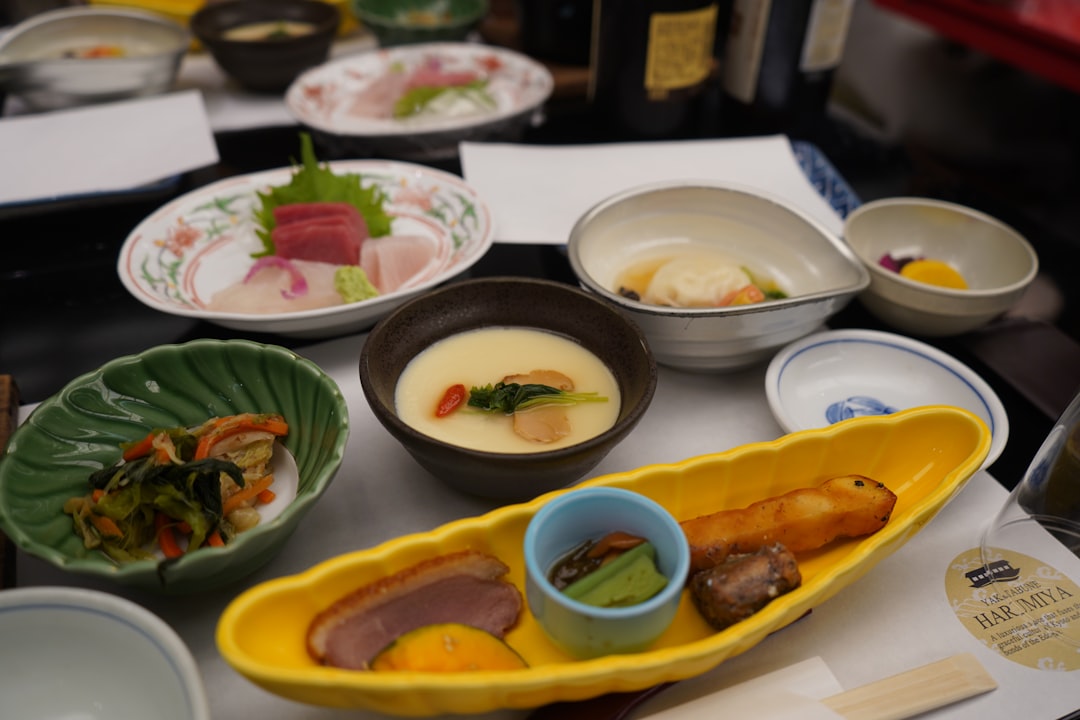

Photo by Yosuke Ota on Unsplash
Discovering Hokkaido Kaiseki: Where Nature Meets Artistry
Hokkaido, Japan’s northernmost island, is renowned for its pristine landscapes, cold ocean currents, and volcanic soil that together produce some of the country’s finest seasonal ingredients. When these bountiful resources meet the refined tradition of kaiseki dining, the result is an unforgettable culinary experience that captures the essence of Hokkaido’s spring awakening. This guide explores what makes Hokkaido kaiseki dining unique, what to expect from a spring seasonal menu, and how to make the most of this exquisite gastronomic journey.
What is Kaiseki Dining?
Kaiseki is a traditional multi-course Japanese dinner that emphasizes seasonality, balance, and presentation. Rooted in the tea ceremony and Zen Buddhist principles, kaiseki meals typically progress through a sequence of small, carefully composed dishes that highlight the natural flavors of each ingredient. Unlike many Western tasting menus that focus on bold statements, kaiseki celebrates subtlety, harmony, and the passage of time through food.
In Hokkaido, this culinary philosophy takes on a distinctive regional character. Chefs draw from the island’s rich larder of seafood, mountain vegetables, dairy, and rice to create menus that reflect not only the season but also the specific terroir of Hokkaido itself.
Why Spring is Special for Hokkaido Kaiseki
Spring in Hokkaido arrives later than in most of Japan, often stretching from April into early June. This delayed thaw means that spring kaiseki menus capture a unique transitional period between the deep flavors of winter preservation and the fresh, delicate ingredients of the new growing season. Snow-melt vegetables, the first catch of spring fish, and foraged mountain greens all make their appearance on the kaiseki table during this time.
Signature Spring Ingredients
- Sansai (mountain vegetables): Foraged greens like fuki (butterbur), warabi (bracken fern), and koshiabura appear briefly in spring, prized for their slightly bitter, earthy flavors that awaken the palate after winter.
- Hokkaido asparagus: Grown in the island’s fertile soil, spring asparagus is exceptionally sweet and tender, often served simply grilled or lightly blanched to preserve its natural flavor.
- Spring salmon and trout: As rivers thaw, migratory fish become available, offering a lighter, more delicate texture than their autumn counterparts.
- Hotate (scallops): Hokkaido is Japan’s top scallop producer, and spring scallops are especially prized for their sweetness and plump texture.
- Uni (sea urchin): Certain varieties of Hokkaido uni reach peak quality in late spring, delivering a creamy, briny richness that pairs beautifully with delicate rice dishes.
- Bamboo shoots and wild herbs: These add texture and aromatic freshness to simmered and grilled courses.
A Typical Spring Kaiseki Course Progression
While every kaiseki restaurant crafts its own unique menu, a spring seasonal course in Hokkaido often follows a familiar structure, allowing diners to experience a full spectrum of flavors and techniques.
1. Sakizuke (Appetizer)
A small, artfully arranged starter designed to awaken the appetite. In spring, this might feature a delicate scallop tartare with citrus, or a chilled tofu dish topped with fresh sansai.
2. Suimono (Clear Soup)
A clear dashi-based soup often containing seasonal vegetables and a touch of seafood, such as a single shrimp or a slice of white fish, designed to cleanse the palate with subtle umami warmth.
3. Otsukuri (Sashimi)
Freshly sliced raw seafood showcasing Hokkaido’s exceptional marine bounty. Spring selections often include seasonal white fish, scallops, and occasionally the season’s first uni, served with minimal garnish to let the natural sweetness shine.
4. Yakimono (Grilled Dish)
Grilled courses in spring might highlight lightly charred Hokkaido asparagus, grilled trout with a citrus glaze, or tender lamb from Hokkaido’s pastoral regions, paired with a delicate vegetable accompaniment.
5. Nimono (Simmered Dish)
A comforting simmered course featuring root vegetables, bamboo shoots, and sometimes a piece of fish or tofu, gently cooked in a light dashi broth that allows each ingredient’s flavor to come through.
6. Su-zakana or Aemono (Vinegared or Dressed Dish)
A small palate-refreshing course featuring seasonal greens dressed in a light vinegar or sesame sauce, often incorporating bitter spring vegetables balanced with a touch of sweetness.
7. Gohan, Kō no Mono, Tomewan (Rice, Pickles, Miso Soup)
The meal transitions toward its conclusion with a bowl of seasonal rice—perhaps mixed with bamboo shoots or herbs—accompanied by house-made pickles and a comforting miso soup.
8. Mizumono (Dessert)
A light, seasonal dessert often featuring fresh Hokkaido dairy, such as a delicate milk pudding or a fruit compote highlighting early strawberries or citrus.
What Makes Hokkaido Kaiseki Unique Compared to Other Regions
While kaiseki traditions exist throughout Japan, Hokkaido’s version stands apart due to its distinctive natural resources. The island’s cold climate and rich soil produce vegetables and dairy of exceptional quality, while its surrounding seas—the Sea of Japan, the Pacific Ocean, and the Sea of Okhotsk—yield a diversity of seafood unmatched elsewhere in the country. Hokkaido chefs also tend to incorporate more dairy elements, such as fresh cream or butter, into certain courses, reflecting the island’s dairy farming heritage.
Additionally, because Hokkaido experienced later culinary development compared to Kyoto or Kanazawa (historical centers of kaiseki), many Hokkaido kaiseki restaurants blend traditional techniques with a more contemporary, ingredient-forward approach, giving diners a slightly different aesthetic and flavor experience.
Tips for Enjoying a Hokkaido Kaiseki Spring Menu
- Reserve in advance: Many kaiseki restaurants, especially those with limited seating, require reservations days or even weeks ahead, particularly during peak spring travel season.
- Come with an open schedule: A full kaiseki meal can take two to three hours. Avoid rushing to fully appreciate the pacing and presentation of each course.
- Ask about ingredient sourcing: Many chefs are proud to share where their seasonal ingredients come from, whether a specific fishing port or a local farm—don’t hesitate to ask.
- Dress modestly but comfortably: While formal wear isn’t always required, smart casual attire is appropriate for most kaiseki establishments.
- Pair with local sake or wine: Hokkaido produces excellent sake and increasingly notable wines; ask your server for pairing recommendations that complement the spring menu.
Where to Experience Hokkaido Kaiseki in Spring
Sapporo, Hakodate, and Otaru all offer excellent kaiseki dining options, ranging from traditional ryokan-style restaurants to modern establishments blending kaiseki philosophy with innovative presentation. Many hot spring resorts (onsen ryokan) throughout Hokkaido also feature exceptional in-house kaiseki dinners, allowing guests to enjoy a seasonal feast after a relaxing soak—an especially delightful combination during the cool spring evenings.
Final Thoughts
A Hokkaido kaiseki spring menu offers far more than a meal—it’s an immersive experience of the island’s natural rhythms, culinary craftsmanship, and deep respect for seasonal change. From the first tender asparagus shoots to the sweet richness of spring scallops, every course tells a story of Hokkaido’s unique environment. For travelers seeking an authentic taste of Japan’s culinary artistry, a spring kaiseki dinner in Hokkaido is an experience not to be missed.