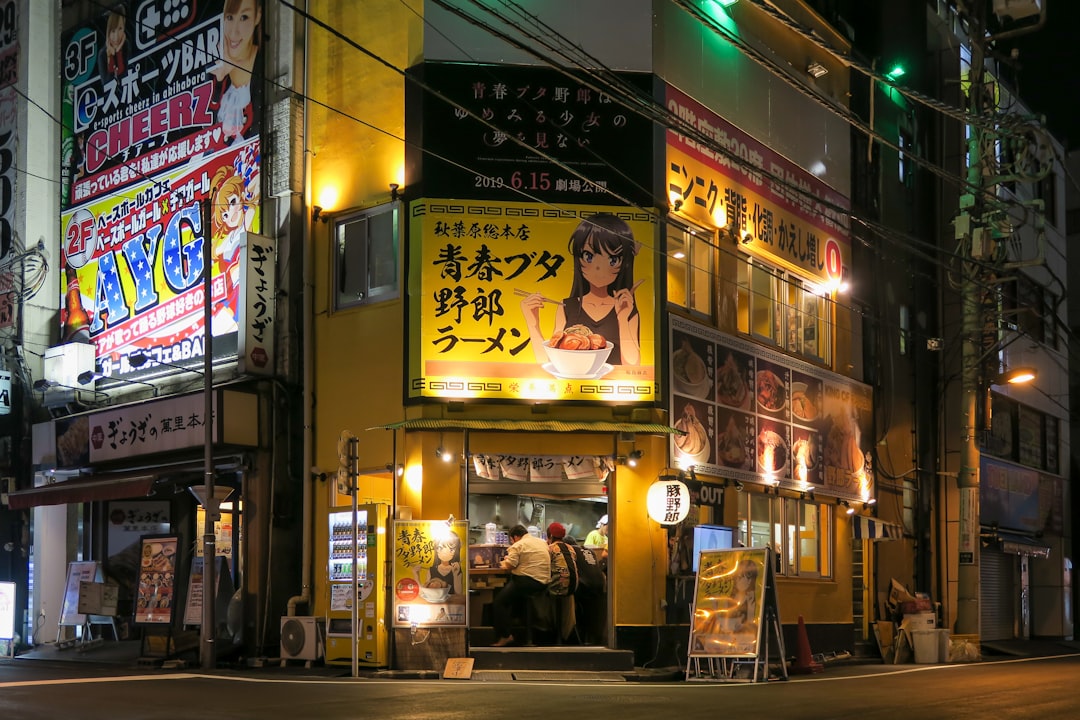

Photo by Shigeki Wakabayashi on Unsplash
What Is a Maid Cafe, Really?
Long before you step through a lace-curtained doorway in Akihabara, it helps to understand what a maid cafe actually is. Far from being a novelty gimmick, maid cafes are a genuine subculture institution rooted in Japan’s otaku (anime and manga fan) community. Staff dressed in French maid-style uniforms greet guests as returning “masters” and “princesses,” serve drinks and sweets with playful performances, and create a themed, almost theatrical dining experience. Understanding this context is the first step toward enjoying your visit respectfully rather than treating it as a spectacle.
Why Etiquette Matters More Than You Think
Maid cafes operate on a delicate balance of fantasy and real customer service. The maids are performers, but they are also working professionals with clear boundaries. Tourists sometimes assume the cafes are risque or purely comedic, but most establishments are family-friendly and enforce strict rules to protect both staff and guests. Knowing the etiquette in advance ensures you have a wonderful time without accidentally causing offense or being asked to leave.
1. Booking and Entry Basics
- Many popular maid cafes require reservations, especially on weekends. Walk-ins are common on weekdays but expect a short wait during peak tourist seasons.
- Entrance often includes a mandatory seating charge or one-drink minimum. This is standard practice, not a scam, and covers the performance element of your visit.
- Some cafes have time limits per visit (commonly 60-90 minutes) to manage turnover, so don’t be surprised if a maid politely reminds you when your time is nearing its end.
2. The Welcome Ritual
Upon entry, you’ll typically be greeted with a cheerful chant welcoming you home as “master” or “princess.” This is your cue to smile, nod, or respond warmly rather than looking confused or dismissive. Photographs of the entrance chant are usually fine, but always check with staff before recording video, since policies vary by cafe.
3. No Touching, Ever
This is the single most important rule. Physical contact with the maids, including handshakes, hugs, or high-fives, is strictly forbidden unless the maid explicitly initiates a sanctioned activity like a photo pose. Treat the maids as you would any professional entertainer at a formal event. Violating this rule can result in immediate removal from the premises and, in serious cases, being banned from returning.
4. Photography Rules
- Personal photography inside the cafe is often restricted or requires purchasing a special photo ticket.
- Flash photography and candid shots of other customers are almost universally banned.
- Posting photos of maids online without permission, even from purchased photo sessions, may violate house rules, so always ask staff about sharing policies.
5. Ordering and Dining Etiquette
Food and drinks in maid cafes are famous for cute presentations like heart-shaped omurice or lattes with anime character art. Before eating or drinking, guests are frequently asked to perform a short “magic spell” gesture with the maid, tracing a heart in the air while saying a phrase like “moe moe kyun.” Participating enthusiastically, even if you feel a little shy, is part of respectful engagement with the experience. Refusing outright is fine, but doing so politely and with a smile keeps the mood light.
6. Language Barriers Are Not a Problem
Many maid cafes in Akihabara are well-versed in hosting international visitors, and some staff speak basic English. Menus often include pictures or English translations. Simple Japanese phrases like “arigatou gozaimasu” (thank you) or “kawaii desu ne” (that’s cute, isn’t it) are appreciated but never required. Google Translate apps work well for more detailed questions.
7. Understanding Optional Extras
Beyond the core menu, cafes often offer optional paid extras such as photo sessions, mini-games, Polaroid keepsakes, or short performances. These are entirely optional and clearly priced, so never feel pressured to purchase add-ons beyond your comfort or budget. Staff are trained to present options without excessive pressure, but polite firmness works if you’d like to decline.
8. Tipping Is Not Expected
As with the rest of Japan, tipping is not customary in maid cafes. The seating charge and menu prices already account for the service and performance you receive. Attempting to leave a cash tip can cause confusion or be politely refused.
9. Dress Code and Behavior
There’s no strict dress code for guests, though extremely casual attire like beachwear is discouraged. Loud, disruptive behavior, excessive drinking, or inappropriate comments toward staff are grounds for removal. Maid cafes cultivate a wholesome, whimsical atmosphere, and guests are expected to match that energy respectfully.
10. Solo Visitors and Groups
Maid cafes are very welcoming to solo travelers, and in fact, many regulars visit alone to enjoy quiet conversation with their favorite maid during slower hours. Groups are equally welcome but should be mindful of noise levels and avoid monopolizing a maid’s attention for extended periods when other tables are waiting.
Choosing the Right Maid Cafe in Akihabara
Akihabara hosts dozens of maid cafes, each with a distinct theme, ranging from classic Victorian-style maid outfits to fantasy RPG concepts. Some focus heavily on performance shows with singing and dancing, while others emphasize quiet, cozy conversation. Researching reviews beforehand, particularly regarding English-language support and photography policies, can help you choose a cafe that matches your comfort level and interests.
Final Thoughts on Respectful Enjoyment
A maid cafe visit in Akihabara can be one of the most memorable, charming experiences of a Japan trip when approached with curiosity and respect. The etiquette isn’t about rigid formality; it’s about honoring the performance, protecting the staff’s boundaries, and allowing the whimsical atmosphere to shine. Follow these guidelines, keep an open mind, and you’ll likely leave with a smile, a themed dessert photo, and a genuine appreciation for this uniquely Japanese subculture experience.