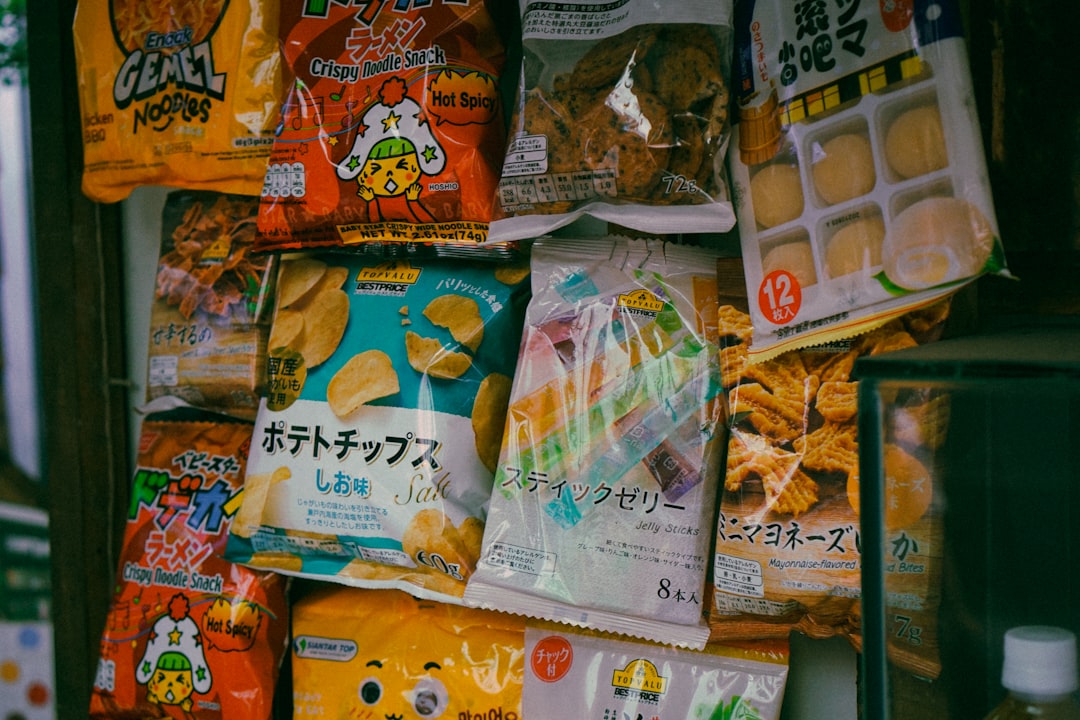
Why Japan’s Convenience Stores Become Autumn Wonderlands
Walk into any Japanese convenience store—known locally as a konbini—during the autumn months, and you’ll notice something magical happening on the shelves. The bright, energetic packaging of summer gives way to warm oranges, deep browns, and earthy golds. This is the season of aki gentei (秋限定), or “autumn limited edition,” one of the most beloved traditions in Japanese food culture. For travelers and locals alike, exploring these seasonal offerings at 7-Eleven, FamilyMart, and Lawson has become a genuine culinary adventure, and understanding this phenomenon will completely change how you shop while in Japan.
The Cultural Root: Shun and Seasonal Eating
To understand why convenience stores go all-in on autumn snacks, you need to understand the Japanese concept of shun (旬)—eating food at the peak of its natural season. This philosophy, deeply embedded in traditional Japanese cuisine (washoku), has been enthusiastically adopted by the konbini industry. Rather than treating convenience store food as an afterthought, Japanese chains treat seasonal product development as a serious business strategy, releasing dozens of new items every few weeks. Autumn happens to be one of the most anticipated seasons because it aligns perfectly with several beloved harvest ingredients.
The Holy Trinity of Autumn Flavors
Satsumaimo (Japanese Sweet Potato)
No autumn flavor dominates konbini shelves quite like satsumaimo. This purple-skinned, yellow-fleshed sweet potato has a naturally sweet, slightly nutty flavor that Japanese food developers turn into everything imaginable. You’ll find sweet potato Kit Kats, sweet potato soft-serve ice cream, sweet potato steamed buns (nikuman-style but sweet), sweet potato tarts, and even sweet potato flavored rice crackers. The texture ranges from creamy custard-like fillings to dense, cake-like interiors studded with actual potato chunks.
Kuri (Chestnut)
Chestnut season brings a wave of kuri-flavored treats that skew slightly more sophisticated and adult in flavor profile. Look for mont blanc-style desserts, chestnut mousse cups, chestnut and cream sandwiches, and premium chestnut daifuku (mochi with filling). The flavor is earthy and subtly sweet, often paired with whipped cream or castella sponge cake for textural contrast.
Kabocha (Japanese Pumpkin)
While Western pumpkin spice tends to lean heavily on cinnamon and nutmeg, Japanese kabocha treats celebrate the vegetable’s natural sweetness and dense, creamy texture on its own. Expect kabocha pudding, kabocha bread rolls, kabocha croquette sandwiches, and kabocha-flavored chips that taste more like roasted squash than sugary pie filling.
Beyond the Big Three: Other Autumn Stars
Budou (Grapes) and Nashi (Asian Pear)
Fruit-based autumn treats also make frequent appearances, particularly featuring Kyoho grapes (large, deeply purple, and intensely sweet) and Japanese pears, which have a crisp, juicy texture unlike Western pears. These show up in gummy candies, chilled desserts, and flavored sparkling drinks.
Matcha and Autumn Fusion Flavors
Convenience stores also love combining matcha with autumn ingredients, creating hybrid flavors like matcha-chestnut or matcha-sweet potato parfaits that blend the earthiness of green tea with harvest sweetness.
Anko (Sweet Red Bean) Reimagined
While anko is available year-round, autumn often brings special limited versions combined with chestnut or sweet potato, creating triple-layered desserts in cups or between pastry layers.
Where to Hunt: A Chain-by-Chain Breakdown
7-Eleven Japan
Known for consistently high-quality sweets, 7-Eleven’s autumn lineup often includes premium dessert collaborations and their famous soft-serve ice cream in rotating seasonal flavors. Their sandwich section also gets autumn makeovers with roasted vegetable and chestnut cream combinations.
FamilyMart
FamilyMart tends to experiment more boldly, often releasing unusual flavor combinations and collaborating with well-known dessert brands or characters. Their Famichiki (fried chicken) occasionally gets seasonal sauce variations too.
Lawson
Lawson is famous for its dessert game, particularly their Uchi Café premium sweets line. Autumn is prime season for elaborate mont blanc cakes, chestnut parfaits, and sweet potato tarts that rival actual patisserie offerings.
Tips for Snack Hunters
- Shop early in the season (early-to-mid autumn) for the widest selection, as popular items sell out and get discontinued quickly.
- Visit multiple chains rather than sticking to one—each has distinct specialties and exclusive collaborations.
- Check the bakery/bread section, not just the dessert fridge, since limited breads and sandwiches are easy to overlook.
- Try drinks too—canned coffee, tea, and sparkling beverages often get seasonal flavor twists that are easy to miss.
- Don’t skip savory items—rice balls (onigiri) and bento boxes frequently feature seasonal mushroom, chestnut, or sweet potato fillings.
- Follow Japanese snack review blogs or social media accounts before your trip, as new releases drop weekly and older favorites return unpredictably.
Why These Snacks Matter for Travelers
For visitors to Japan, exploring konbini autumn snacks offers something deeper than just a sugar rush—it’s an accessible entry point into Japanese food culture without needing reservations, translation skills, or a big budget. Most items cost between 150 and 400 yen, making it easy to sample five or six different treats in one sitting. It’s also a wonderful way to experience the Japanese appreciation for seasonality and craftsmanship, values normally associated with high-end kaiseki dining, distilled into a $2 dessert cup.
A Word on Limited Availability
One important thing to understand is that “limited edition” is taken seriously in Japan. Unlike some markets where seasonal items linger year-round, Japanese convenience stores genuinely discontinue autumn products once the season ends, only to potentially bring back fan favorites the following year with slight tweaks. This scarcity mindset is part of what makes hunting for these snacks so exciting—there’s a sense of urgency and exclusivity that turns a simple convenience store visit into a treasure hunt.
Final Thoughts
Whether you’re a first-time visitor to Japan or a seasoned traveler, dedicating even one afternoon to exploring convenience store autumn snacks is time well spent. The combination of quality, creativity, affordability, and cultural insight packed into these small packages represents everything wonderful about Japanese food culture. So next time you’re wandering through Tokyo, Osaka, or even a small rural town, duck into whichever konbini you pass and see what seasonal surprises await on the shelves. Your taste buds—and your Instagram feed—will thank you.
Photo by Zero on Unsplash