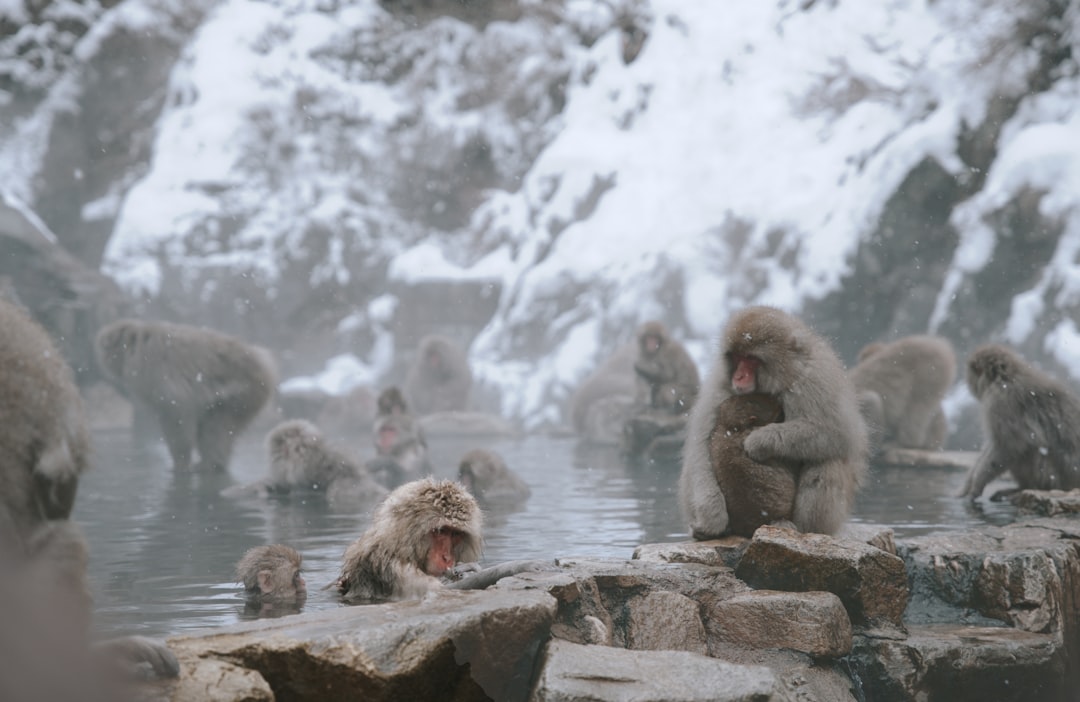

Photo by Jonathan Ansel Moy de Vitry on Unsplash
Introduction to Jigokudani Monkey Park
Tucked away in the mountains of Nagano Prefecture, Jigokudani Monkey Park is one of Japan’s most extraordinary wildlife destinations. The park’s name translates to Hell’s Valley, a reference to the steep cliffs, swirling steam, and boiling water that rise from the ground in this volcanic region. But despite its ominous name, this valley is home to one of the most heartwarming sights in the natural world: wild Japanese macaques, affectionately known as snow monkeys, soaking in natural hot springs surrounded by snow-covered forest.
This unique combination of geothermal activity and free-ranging primates has made Jigokudani Monkey Park a bucket-list destination for wildlife photographers, nature lovers, and curious travelers from around the globe. Unlike zoos or controlled sanctuaries, the monkeys here live freely in the surrounding forest and choose to visit the onsen pool built specifically for them, making every visit a genuine encounter with wild animals behaving naturally.
The History Behind the Snow Monkeys’ Hot Spring Habit
The story of the bathing monkeys began decades ago when a young macaque was observed following hotel guests into a hot spring to grab a stray soybean. The macaque discovered the pleasure of soaking in warm water and continued the behavior, and other monkeys soon followed. Local park rangers eventually built a dedicated pool exclusively for the troop, separate from the hot springs used by human visitors, allowing the monkeys to bathe undisturbed while spectators observe from a respectful distance.
Over time, this behavior became so ingrained in the local macaque population that entire generations have grown up bathing in the onsen, transforming a chance discovery into a defining cultural and ecological phenomenon unique to this valley.
Why the Monkeys Bathe in Hot Springs
Japanese macaques are the northernmost-living non-human primates in the world, and those in the Jigokudani region endure harsh mountain winters with heavy snowfall and freezing temperatures. Soaking in the naturally heated volcanic water helps the monkeys regulate their body temperature and cope with the cold. Researchers have also found that bathing appears to reduce stress levels among the troop, suggesting the behavior offers both physical and psychological benefits.
Interestingly, not all monkeys bathe with the same enthusiasm. Some individuals, particularly dominant females and their offspring, spend long periods in the water, while others dip in only briefly. Watching the social dynamics of the troop, from grooming sessions to squabbles over the best spots in the pool, adds another layer of fascination to the experience.
Best Time to Visit
Winter: The Iconic Snow Monkey Experience
Winter is by far the most popular season to visit Jigokudani, and for good reason. When snow blankets the valley and steam rises dramatically off the hot spring water, the contrast creates the postcard-perfect image the park is famous for. Snow monkeys huddled together in the steaming pool with frost on their fur is an unforgettable sight, and this is when photographers flock to the park in the greatest numbers.
Spring and Autumn
During spring, the surrounding forest bursts into fresh greenery, and baby monkeys born earlier in the year can often be seen clinging to their mothers or playing nearby. Autumn brings vibrant fall foliage to the valley, offering a colorful backdrop for the monkeys and a quieter alternative to the winter crowds.
Summer
In the warmer months, fewer monkeys choose to bathe since there is less need for warmth, though some will still enter the water to cool off or socialize. Summer visits tend to be less crowded, making it a good option for travelers who prioritize a peaceful nature walk over guaranteed bathing scenes.
How to Get to Jigokudani Monkey Park
Jigokudani Monkey Park is located near the town of Yamanouchi in Nagano Prefecture, within the Shigakogen mountain region. The most common route for travelers is to take a shinkansen (bullet train) from Tokyo to Nagano Station, followed by a local train or bus to Yudanaka Station, the closest station to the park.
From Yudanaka, visitors can take a short bus or taxi ride to the Kanbayashi Onsen entrance, where the trailhead to the park begins. It is important to note that the park itself is only accessible on foot. The walk from the parking area to the monkey pool takes approximately 30 to 40 minutes along a scenic forest path, which follows a river and passes through cedar woods. The trail is well-maintained but can be slippery in winter, so sturdy, waterproof footwear is highly recommended.
What to Expect During Your Visit
Upon arrival at the park entrance, visitors pay a small admission fee before beginning the walk to the monkey area. The path itself is part of the experience, offering picturesque views of the valley, mossy rocks, and the sound of a rushing mountain stream. Along the way, you may even spot monkeys foraging in the trees before you reach the main pool area.
Once at the viewing area, visitors can watch the macaques from just a few meters away as they groom each other, play, forage for food scattered by rangers, and of course, soak in the steaming pool. Photography is welcome and encouraged, though visitors are asked to follow park rules, which include not touching the monkeys, not feeding them, and maintaining a respectful distance.
Tips for an Unforgettable Visit
- Arrive early in the morning to avoid crowds and increase your chances of seeing active monkey behavior before large tour groups arrive.
- Dress in warm layers during winter, as temperatures in the valley can be significantly colder than in nearby towns.
- Wear footwear with good traction, since the trail can be icy or muddy depending on the season.
- Bring a camera with a zoom lens if possible, as it enhances close-up shots without disturbing the animals.
- Consider staying overnight in the nearby Shibu Onsen or Yudanaka Onsen towns to soak in your own hot spring after a day of monkey watching.
- Check park hours in advance, as they can vary seasonally, and plan your visit with enough daylight to comfortably complete the walk both ways.
Combining Your Visit with Nearby Onsen Towns
No trip to Jigokudani is complete without spending time in the charming onsen towns nearby. Shibu Onsen, with its narrow lantern-lit streets and traditional wooden ryokan, offers visitors the chance to hop between nine public bathhouses in a customary bathing pilgrimage. Yudanaka Onsen provides a similarly authentic hot spring town atmosphere, with numerous inns offering both public and private baths fed by natural volcanic water.
Staying overnight in one of these towns allows travelers to fully immerse themselves in the hot spring culture that defines this region, extending the experience beyond a simple day trip into a deeper appreciation of how central onsen bathing is to Japanese life, both for humans and, remarkably, for monkeys as well.
Responsible and Respectful Wildlife Viewing
Jigokudani Monkey Park stands out globally as a model of ethical wildlife tourism. The monkeys are never forced into the water, never fed by tourists directly, and remain completely free to come and go from the park area at will. This balance between accessibility for visitors and respect for the animals’ natural behavior is part of what makes the park so special and worth supporting through mindful, low-impact visits.
Final Thoughts
Jigokudani Monkey Park offers a rare opportunity to witness wild animals engaging in an almost human-like ritual of relaxation, set against a backdrop of steaming valleys and snow-dusted forests. Whether you visit in the depths of winter for the classic snow monkey photograph or during a quieter season to enjoy the surrounding nature, this destination delivers an experience unlike anywhere else in Japan. Combine it with a stay in a nearby onsen town, and you will come away with not only unforgettable photographs but also a deeper understanding of the unique relationship between Japan’s landscapes, wildlife, and hot spring culture.