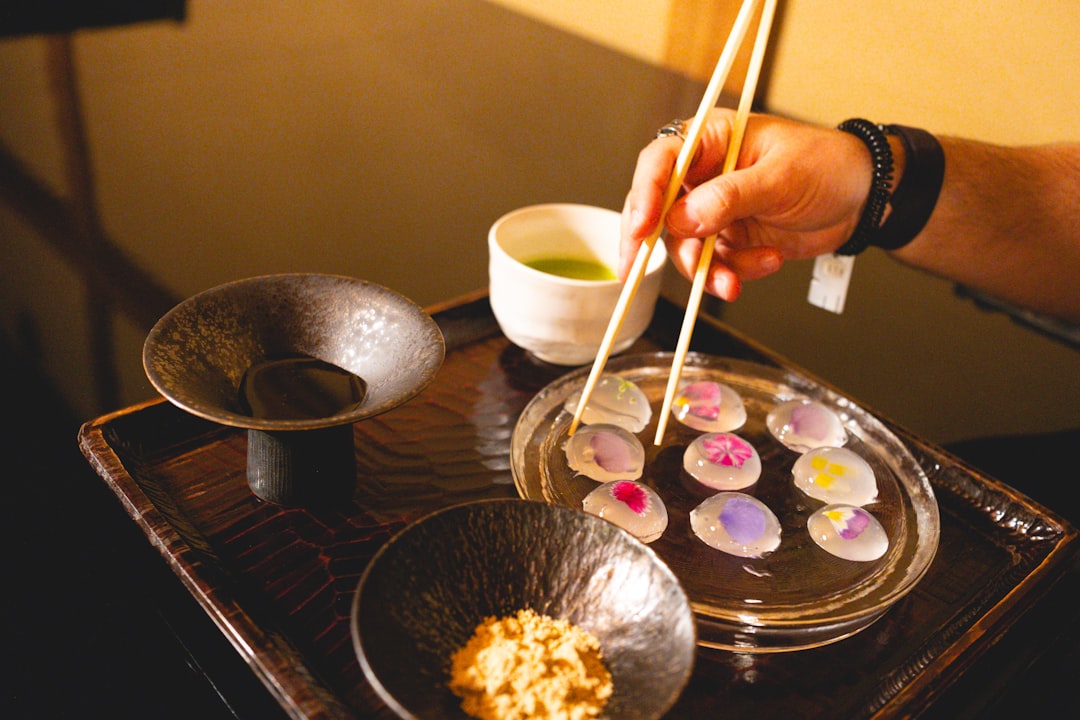

Photo by Igal Ness on Unsplash
Kyoto, the ancient capital of Japan, is not only home to golden temples and serene gardens but also to one of the country’s most delicate culinary art forms: wagashi. These traditional Japanese sweets, crafted from ingredients like rice flour, red bean paste, and agar, are as much a visual art as they are a taste experience. For any traveler seeking an authentic cultural experience, a wagashi tasting Kyoto journey is an absolute must. This guide will walk you through everything you need to know about wagashi, where to find the best tasting experiences in Kyoto, and how to fully appreciate this centuries-old confectionery tradition.
What Is Wagashi? Understanding Japan’s Traditional Sweets
Wagashi (和菓子) literally translates to “Japanese sweets,” a term that encompasses a wide variety of confections rooted in centuries of tradition. Unlike Western desserts, wagashi rarely uses dairy, eggs, or refined sugar in large quantities. Instead, artisans rely on natural ingredients such as adzuki beans, rice flour, kanten (agar), chestnuts, and seasonal fruits to create sweets that are subtly flavored and deeply connected to the changing seasons.
Wagashi is often described as edible art. Many varieties are shaped to represent flowers, leaves, animals, or seasonal motifs — a cherry blossom in spring, a maple leaf in autumn, or a snow-covered pine in winter. The visual beauty of wagashi is considered just as important as its taste, making a wagashi tasting Kyoto experience a feast for the eyes as well as the palate.
Why Kyoto Is the Best Place for Wagashi Tasting
Kyoto’s status as Japan’s imperial capital for over a thousand years cemented its reputation as the birthplace of refined culture, including the tea ceremony, kaiseki cuisine, and wagashi confectionery. Because wagashi developed alongside the tea ceremony (chanoyu), Kyoto’s confectioners perfected techniques to complement the bitterness of matcha with delicately sweet, beautifully crafted treats.
Many of Kyoto’s wagashi shops have been in operation for centuries, passing down recipes and techniques through generations of master confectioners. Walking through neighborhoods like Higashiyama, Gion, or along Teramachi Street, you’ll find historic shopfronts where the scent of sweet red bean paste and toasted rice drifts into the street — an invitation to step inside and explore Kyoto’s confectionery heritage.
Popular Types of Wagashi to Try in Kyoto
Namagashi (Fresh Wagashi)
Namagashi are fresh, delicate sweets with high moisture content, meant to be eaten within a day or two of being made. These are the most artistic form of wagashi, often shaped and colored to represent seasonal themes. They’re commonly served during formal tea ceremonies.
Higashi (Dry Wagashi)
Higashi are dried sweets with a longer shelf life, often pressed into decorative molds. Rakugan, a type of higashi made from sugar and rice flour, is a popular souvenir because it keeps well and comes in beautiful shapes.
Monaka
This wagashi consists of sweet red bean paste sandwiched between two thin, crisp wafers made from mochi. The contrast between the crunchy shell and smooth filling makes it a delightful textural experience.
Yatsuhashi
A Kyoto specialty, yatsuhashi is a cinnamon-flavored sweet made from glutinous rice flour, available in both baked (crisp) and raw (soft, folded into triangles with fillings like sweet bean paste) forms. It’s one of the most iconic souvenirs from Kyoto.
Dorayaki
Two fluffy pancake-like layers filled with red bean paste — simple, comforting, and widely loved across Japan.
Warabimochi
A jelly-like sweet made from bracken starch, dusted with kinako (roasted soybean flour) and often drizzled with kuromitsu (black sugar syrup). It’s especially popular in the warmer months for its cool, refreshing texture.
Best Places for Wagashi Tasting in Kyoto
Kagizen Yoshifusa (Gion)
One of Kyoto’s oldest and most beloved wagashi shops, located in the heart of Gion. Their kuzukiri (arrowroot noodles served with syrup) is legendary, and their namagashi are exquisite works of edible art.
Toraya (Karasuma)
With roots tracing back centuries, Toraya is one of Japan’s most prestigious wagashi makers, historically supplying sweets to the imperial court. Their Kyoto shop offers an elegant tearoom where you can sample seasonal creations alongside a bowl of matcha.
Nishiki Market
This bustling market street is a fantastic place to sample smaller, affordable wagashi from multiple vendors in one walk. It’s perfect for casual tasting without committing to a full tea ceremony experience.
Demachiyanagi Aburi Mochi Shops
Near the historic Demachiyanagi area, small shops serve grilled mochi skewers coated in sweet soy glaze — a rustic, satisfying variation on classic wagashi.
Tea Ceremony Experiences
Many machiya (traditional townhouses) in Kyoto now offer tourist-friendly tea ceremony experiences that include a wagashi tasting as part of the ritual. This is one of the most immersive ways to understand how wagashi and matcha were designed to complement each other.
Wagashi and the Art of the Japanese Tea Ceremony
Wagashi and tea are inseparable in Japanese culture. In a traditional tea ceremony, wagashi is served before the matcha to prepare the palate — the sweetness of the confection balances the bitterness of the whisked green tea. Guests are taught to admire the wagashi’s shape and seasonal symbolism before eating it, often using a small pick called a kuromoji.
Understanding this relationship adds depth to a wagashi tasting Kyoto experience. Rather than simply eating a sweet treat, you’re participating in a centuries-old ritual of mindfulness, seasonal appreciation, and hospitality (omotenashi).
Seasonal Wagashi: A Sweet Reflection of Nature
One of the most captivating aspects of wagashi is its deep connection to the seasons. Confectioners create new designs and flavors throughout the year to reflect nature’s changes:
- Spring: Sakura mochi (pink rice cake wrapped in a pickled cherry leaf), sweets shaped like cherry blossoms
- Summer: Mizu shingen mochi (a translucent, water-like mochi), cooling warabimochi
- Autumn: Chestnut-based wagashi, maple leaf-shaped sweets
- Winter: Sweets resembling snow, pine, or plum blossoms, symbolizing endurance and renewal
Visiting Kyoto at different times of the year rewards travelers with an ever-changing array of wagashi to discover, making it a truly evergreen destination for sweet lovers.
How to Enjoy a Wagashi Tasting Experience in Kyoto
- Start with a visit to a historic shop for namagashi, then pair it with matcha at an in-house tearoom
- Take a wagashi-making class, offered at several cultural centers in Kyoto, where you’ll learn to shape your own seasonal sweet under the guidance of a master confectioner
- Explore Nishiki Market for a self-guided tasting tour of smaller, budget-friendly treats
- Purchase higashi or yatsuhashi as souvenirs, as they travel well and make wonderful gifts
Practical Tips for Wagashi Tasting in Kyoto
- Visit in the morning for the freshest namagashi, as many shops sell out or the delicate sweets don’t keep well past midday
- Learn a few basic Japanese terms like “namagashi,” “matcha,” and “okashi” (sweets) to help navigate menus
- Many wagashi shops offer beautifully packaged gift boxes, ideal for bringing a taste of Kyoto home
- Pair your tasting with a visit to a traditional garden or temple for the full sensory experience
- Be mindful that some wagashi contain allergens; ask staff about ingredients if you have dietary restrictions
Final Thoughts
A wagashi tasting Kyoto journey offers far more than just something sweet to eat — it’s an entry point into understanding Japanese aesthetics, seasonal awareness, and the meticulous craftsmanship that defines the nation’s culinary arts. Whether you’re sipping matcha in a centuries-old teahouse or wandering Nishiki Market with a warabimochi in hand, wagashi provides a delicious lens through which to experience Kyoto’s rich cultural heritage. Add a few of these shops and experiences to your itinerary, and you’ll leave Kyoto with memories — and maybe a beautifully wrapped box of sweets — that capture the essence of Japanese tradition.