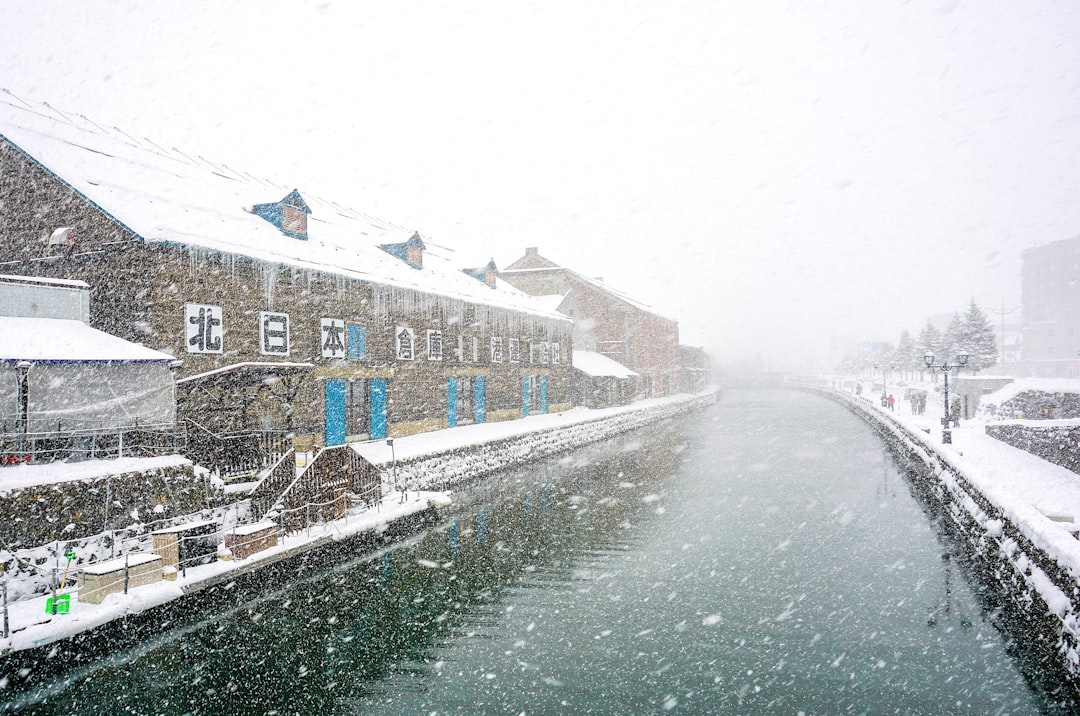

Photo by Yuri Li on Unsplash
Why Hokkaido in Winter Is a Once-in-a-Lifetime Experience
Japan’s northernmost island transforms into a breathtaking winter wonderland every year, drawing travelers from around the globe with its powder-perfect ski slopes, dramatic ice festivals, steaming hot springs, and wildlife encounters found nowhere else on earth. Hokkaido winter travel offers a side of Japan that feels worlds apart from the neon-lit streets of Tokyo or the temple-lined paths of Kyoto. If you’ve ever dreamed of gliding through pristine snow, drifting past floating sea ice on a boat, or soaking in an outdoor onsen while snowflakes fall silently around you, Hokkaido in winter is your destination.
This comprehensive guide covers everything you need to plan an unforgettable cold-weather journey to Japan’s most spectacular island — from the best regions to visit and top winter activities to practical packing tips and transportation advice.
When Is Hokkaido Winter Season?
Hokkaido’s winter season typically runs from late November through late March, with the coldest and snowiest period falling between December and February. Sapporo and central Hokkaido usually see their first significant snowfall in November, while areas like Asahikawa and Abashiri in the north and east experience even harsher, longer winters. Peak winter tourism coincides with the famous Sapporo Snow Festival in early February, so book accommodations well in advance if you plan to attend.
For those who prefer fewer crowds, visiting in January or early March offers equally stunning scenery with a slightly more relaxed atmosphere. Late March marks the beginning of snowmelt in lower elevations, though highland ski resorts often remain open well into April or even May.
Top Destinations to Visit in Hokkaido Winter
Sapporo: Hokkaido’s Vibrant Winter Capital
Sapporo is the natural starting point for most Hokkaido winter itineraries. The city comes alive in winter with illumination events, ramen alleys steaming in the cold air, and the world-famous Sapporo Snow Festival. Explore Odori Park draped in snow, visit the historic Sapporo Beer Museum, and don’t miss the underground shopping arcade — a warm haven perfect for browsing on bitter days. Just outside the city, the ski resort of Sapporo Teine offers excellent slopes with stunning views over the city and the sea.
Niseko: The World-Class Ski Paradise
No Hokkaido winter guide would be complete without Niseko, one of Asia’s premier ski destinations. Located about 90 minutes from Sapporo, the Niseko United area combines four interconnected ski resorts — Grand Hirafu, Hanazono, Niseko Village, and Annupuri — into a massive playground for skiers and snowboarders of all levels. Niseko is legendary for its champagne powder snow, which falls in extraordinary quantities thanks to cold Siberian winds sweeping across the Sea of Japan. The resort village buzzes with international energy, offering world-class restaurants, après-ski bars, and luxurious accommodation options.
Furano and Biei: Serene Snowscapes and Ski Runs
For a quieter, more authentically Japanese winter experience, Furano is an excellent alternative to the international bustle of Niseko. The Furano Ski Area is beloved by domestic Japanese skiers for its well-groomed runs and reliable snow conditions. The surrounding countryside — famous for lavender fields in summer — takes on an entirely different but equally magical character in winter, with rolling snow-covered hills and frosted farmhouses straight out of a painting. Nearby Biei’s patchwork hills and iconic trees dusted in snow are a photographer’s dream.
Abashiri and the Shiretoko Peninsula: Ice and Wildlife
Eastern Hokkaido offers some of the most dramatic and unique winter experiences in all of Japan. The port town of Abashiri is the gateway to drift ice season, when sea ice from Russia’s Okhotsk Sea drifts southward and fills the sea with a floating white carpet. Take an icebreaker cruise on the famous Aurora icebreaker ship and walk among the floes. The Shiretoko Peninsula, a UNESCO World Heritage Site, is one of the best places in the world to spot wild Blakiston’s fish owls, red foxes, and Steller’s sea eagles hunting along frozen rivers.
Asahikawa: A Winter Wonderland Hub
Hokkaido’s second-largest city, Asahikawa, hosts its own renowned winter festival featuring massive ice sculptures that rival those of Sapporo. The city is also the gateway to Daisetsuzan National Park, Japan’s largest national park, where mountainous terrain, hot spring villages like Sounkyo, and vast untouched snowfields create an atmosphere of true wilderness. Sounkyo Gorge is particularly spectacular in winter, with frozen waterfalls and ice festivals adding to its dramatic beauty.
Top Winter Activities in Hokkaido
- Skiing and Snowboarding: With resorts ranging from Niseko and Rusutsu to Furano and Sahoro, Hokkaido offers world-class runs for every skill level.
- Drift Ice Walking: In Abashiri and along the Shiretoko coast, guided tours allow you to walk across frozen sea ice wearing specially designed drysuits — a truly surreal experience.
- Onsen Bathing: Hokkaido is home to some of Japan’s finest hot spring resorts. Noboribetsu, Jozankei, Sounkyo, and Shikaribetsu are all superb winter onsen destinations.
- Snow Festivals: Beyond Sapporo’s famous event, regional festivals take place in Asahikawa, Lake Shikaribetsu, and Otaru, each with its own unique character.
- Wildlife Watching: Eastern Hokkaido in winter is a haven for birdwatchers and wildlife photographers. Steller’s sea eagles, whooper swans, and red-crowned cranes are among the spectacular species you can spot.
- Snowshoeing and Cross-Country Skiing: Explore Hokkaido’s vast national parks and forests on snowshoes or cross-country skis with guided backcountry tours.
- Ice Fishing: Try your hand at traditional ice fishing (known as wakasagi fishing) on frozen lakes such as Lake Shikotsu or Lake Abashiri.
- Illumination Events: Otaru’s Snow Light Path Festival transforms the historic canal city into a glowing fairy-tale scene each February.
Getting to and Around Hokkaido in Winter
New Chitose Airport, located about 40 minutes from Sapporo by train, is the main international and domestic gateway to Hokkaido. Frequent flights connect it to major Japanese cities as well as international hubs across Asia. The airport remains operational year-round, though heavy snowstorms can occasionally cause delays, so build flexibility into your itinerary.
Within Hokkaido, the JR Hokkaido rail network connects major cities and towns, and the Sapporo-based subway system is efficient and warm. For more remote destinations like Shiretoko or rural hot spring areas, renting a car or joining a guided tour is the most practical option. Be aware that driving in Hokkaido winter requires experience with icy road conditions — studded tires or chains are essential, and many car rental companies in the region provide vehicles already fitted for winter driving. If you’re not confident driving in snow, guided tours and bus services serve most major tourist areas.
What to Pack for Hokkaido in Winter
- Thermal base layers: Merino wool or synthetic long underwear is essential for staying warm in temperatures that can drop to -20°C in some areas.
- Insulated waterproof jacket and pants: A high-quality ski jacket and waterproof trousers will serve you well both on the slopes and during outdoor sightseeing.
- Warm hat, gloves, and scarf: Wind chill in Hokkaido can be severe — don’t underestimate it.
- Waterproof winter boots with good grip: Sapporo’s sidewalks can be extremely icy; boots with metal-studded soles (available for purchase in Hokkaido) are invaluable.
- Hand warmers: Japanese disposable hand warmers (kairo) are inexpensive and readily available in convenience stores throughout Hokkaido.
- Sunglasses or ski goggles: Snow glare is intense on sunny winter days.
- Moisturizer and lip balm: The cold, dry air is harsh on skin.
Where to Stay in Hokkaido in Winter
Accommodation options in Hokkaido range from luxurious international ski resort hotels and traditional Japanese ryokan to budget-friendly guesthouses and modern city hotels. Staying at a ryokan with an outdoor onsen (rotenburo) during winter is one of the quintessential Hokkaido experiences — imagine soaking in mineral-rich hot spring waters while surrounded by snow-laden pine trees. Some of the finest ryokan are found in Noboribetsu, Jozankei, and Sounkyo.
In Niseko, a wide range of accommodation caters specifically to international ski tourists, from boutique hotels and luxury chalets to ski-in/ski-out condominiums. In Sapporo, major hotel chains offer comfortable and convenient bases for exploring the city and beyond.
Practical Tips for Hokkaido Winter Travel
- Book accommodations early, especially for the Sapporo Snow Festival period — rooms sell out months in advance.
- Purchase a Hokkaido Rail Pass if you plan to travel extensively by train; it offers significant savings over individual tickets.
- Download offline maps and translation apps before you go, as internet connectivity can be limited in remote areas.
- Convenience stores like 7-Eleven and Lawson are lifesavers in Hokkaido — they offer ATMs, hot food, warm drinks, and emergency supplies.
- Be aware of frostbite and hypothermia risks when spending extended time outdoors; take regular warm-up breaks.
- Check road and weather conditions daily if driving, as conditions can change rapidly.
- Learn a few basic Japanese phrases; outside of major tourist areas and Niseko, English is less commonly spoken.
Final Thoughts: Is Hokkaido Worth Visiting in Winter?
Absolutely and emphatically yes. Hokkaido in winter is one of Japan’s most spectacular and rewarding travel experiences. Whether you’re carving perfect powder turns at Niseko, marveling at ethereal ice sculptures in Sapporo, drifting across frozen sea ice in Abashiri, or unwinding in a steaming outdoor onsen as snowflakes melt on your face, this island delivers magic at every turn. With the right preparation, the right gear, and an adventurous spirit, Hokkaido winter travel will rank among the greatest journeys of your life.