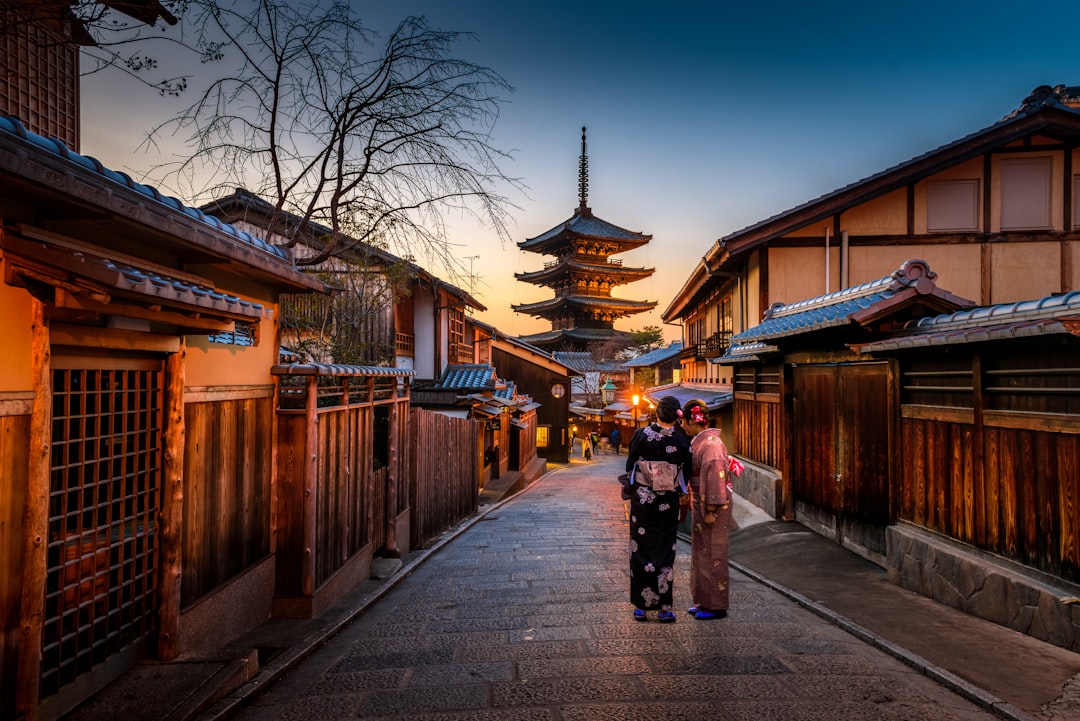

Photo by Sorasak on Unsplash
While millions of visitors flock to Kyoto’s famous temples like Kiyomizu-dera and Fushimi Inari, the ancient capital harbors countless hidden gems waiting to be discovered. These lesser-known temples offer the same spiritual beauty and architectural magnificence without the tourist crowds, providing authentic moments of tranquility and cultural immersion.
Why Seek Out Kyoto’s Hidden Temples?
Kyoto boasts over 2,000 temples and shrines, yet most tourists visit only a handful of the most famous ones. The hidden temples scattered throughout the city offer unique advantages that make them worth seeking out:
- Peaceful atmosphere perfect for meditation and reflection
- Authentic interactions with local monks and worshippers
- Better photography opportunities without crowds
- Deeper cultural understanding through intimate settings
- Often free or very affordable entrance fees
These sacred spaces maintain their original purpose as places of worship and community gathering, offering visitors a glimpse into Japan’s living religious traditions rather than mere tourist attractions.
Northern Kyoto’s Secret Sanctuaries
Sanzen-in Temple
Nestled in the mountain village of Ohara, Sanzen-in Temple represents one of Kyoto’s most breathtaking hidden treasures. This Tendai Buddhist temple, founded in the 8th century, features magnificent moss gardens that create an otherworldly atmosphere throughout the seasons.
The temple’s main hall houses impressive Buddhist statues, including a stunning Amida Buddha sculpture surrounded by intricate celestial beings. The surrounding gardens showcase different seasonal beauty, from cherry blossoms in spring to fiery maple leaves in autumn, all framed by ancient cedar trees.
Kurama-dera Temple
Accessible via a scenic mountain railway, Kurama-dera Temple offers both spiritual significance and natural beauty. This mountain temple complex spans several levels connected by forest paths, creating a pilgrimage-like experience as visitors climb toward the main hall.
The temple’s connection to Japanese folklore adds mystique to the visit, as local legends speak of tengu (mountain spirits) inhabiting the surrounding forests. The journey between Kurama-dera and nearby Kibune village provides one of Kyoto’s most rewarding hiking experiences.
Eastern Kyoto’s Peaceful Retreats
Honen-in Temple
Hidden within Kyoto’s Philosopher’s Path area, Honen-in Temple offers remarkable tranquility despite its proximity to busier attractions. The temple’s distinctive thatched gate creates a dramatic entrance that frames views of the temple grounds beyond.
The temple’s cemetery might seem unusual for tourists, but it houses the graves of several famous Japanese writers and artists, making it a place of cultural pilgrimage. The main hall features beautiful painted screens and offers panoramic views over eastern Kyoto.
Anrakuji Temple
Another gem along the Philosopher’s Path, Anrakuji Temple remains largely undiscovered by international visitors. This small Jodo Buddhist temple features exquisite gardens that showcase seasonal flowers, particularly stunning camellia blooms in early spring.
The temple’s intimate scale allows for peaceful contemplation, and visitors often encounter local worshippers going about their daily spiritual practices. The temple’s wooden architecture exemplifies traditional Japanese craftsmanship in its purest form.
Western Kyoto’s Mountain Temples
Adashino Nenbutsu-ji Temple
Located in the historic Arashiyama district, Adashino Nenbutsu-ji Temple offers a unique spiritual experience through its famous stone statue garden. Thousands of small Buddhist statues create a mesmerizing landscape that commemorates souls without proper burial sites.
The temple’s bamboo groves rival those of the nearby famous bamboo forest, providing stunning photography opportunities without the crowds. The autumn illumination events transform the temple grounds into an ethereal wonderland.
Otagi Nenbutsu-ji Temple
Perhaps Kyoto’s most whimsical hidden temple, Otagi Nenbutsu-ji features over 1,200 stone statues, each carved with unique facial expressions and poses. These rakan statues were created by amateur sculptors from around Japan, resulting in an incredible diversity of artistic interpretation.
The temple’s remote location in Arashiyama’s mountains ensures few visitors discover this extraordinary collection. Each statue tells a story through its expression, creating an interactive spiritual experience unlike anywhere else in Kyoto.
Southern Kyoto’s Spiritual Gems
Daigo-ji Temple Complex
While parts of Daigo-ji attract visitors during cherry blossom season, many sections of this vast temple complex remain relatively unknown. The upper temple areas, accessible via mountain trails, offer spectacular views and ancient Buddhist architecture.
The temple’s five-story pagoda ranks among Japan’s most beautiful, yet the surrounding sub-temples and meditation halls provide intimate spaces for reflection. The complex spans multiple levels up Mount Daigo, rewarding adventurous visitors with increasingly spectacular views and spiritual significance.
Rozanji Temple
This small temple near Kyoto Imperial Palace specializes in prayers for safe childbirth and child-rearing, making it particularly meaningful for families. The temple’s intimate atmosphere and beautiful gardens create perfect conditions for quiet contemplation.
Rozanji’s connection to Japanese court culture adds historical depth to visits, as aristocratic families have patronized this temple for centuries. The temple’s seasonal festivals offer insights into local religious customs and community traditions.
Central Kyoto’s Urban Oases
Rokkaku-do Temple
Despite its central location in Kyoto’s shopping district, Rokkaku-do Temple maintains a surprisingly peaceful atmosphere. This hexagonal temple building represents unique architectural design rarely seen in Japanese religious structures.
The temple serves as headquarters for the Ikenobo school of flower arrangement, adding cultural significance beyond its religious importance. Visitors can often observe ikebana practitioners perfecting their craft in the temple’s serene environment.
Nijo-jo Temple Grounds
While Nijo Castle attracts many visitors, the smaller temples within its extended grounds often go unnoticed. These intimate sacred spaces showcase how religious and secular power intertwined during Japan’s feudal period.
The temple buildings feature architectural elements that blend Buddhist and secular design, creating unique aesthetic experiences. The surrounding gardens provide peaceful respites from the castle’s busier main attractions.
Best Times to Visit Hidden Temples
Hidden temples offer advantages throughout the year, but certain times provide optimal experiences:
- Early Morning: Most temples open at sunrise, providing the most peaceful atmosphere
- Weekdays: Fewer domestic visitors ensure greater tranquility
- Winter: Snow-covered temple grounds create magical atmospheres
- Rainy Days: Rain enhances moss gardens and reduces visitor numbers
Practical Tips for Temple Visiting
Exploring hidden temples requires different preparation than visiting major tourist sites:
- Carry cash, as most hidden temples don’t accept cards
- Learn basic temple etiquette to show respect
- Bring appropriate clothing that covers shoulders and knees
- Download offline maps, as remote temples may have poor cell coverage
- Pack water and snacks for mountain temple visits
Respecting Sacred Spaces
Hidden temples maintain their authentic character partly because visitors treat them respectfully. Follow these guidelines to preserve these special places:
- Speak quietly and move mindfully through temple grounds
- Ask permission before photographing people or religious ceremonies
- Participate in temple customs like ritual hand washing
- Make small donations to support temple maintenance
- Follow all posted rules and restrictions
Creating Your Hidden Temple Route
Planning visits to multiple hidden temples requires strategic thinking about locations and transportation. Group temples by area to maximize your exploration time while minimizing travel. Many hidden temples connect through walking paths that offer additional scenic beauty and cultural discovery opportunities.
Consider combining hidden temple visits with other cultural activities like traditional crafts workshops or local food experiences. This approach creates richer cultural immersion while supporting local communities that maintain these sacred spaces.
Kyoto’s hidden temples offer transformative experiences that connect visitors with Japan’s spiritual heritage in profound ways. These sacred spaces provide windows into authentic Buddhist and Shinto practices while showcasing architectural and artistic treasures away from tourist crowds. Whether seeking spiritual reflection, cultural understanding, or simply peaceful beauty, Kyoto’s hidden temples deliver unforgettable encounters with Japan’s living religious traditions.