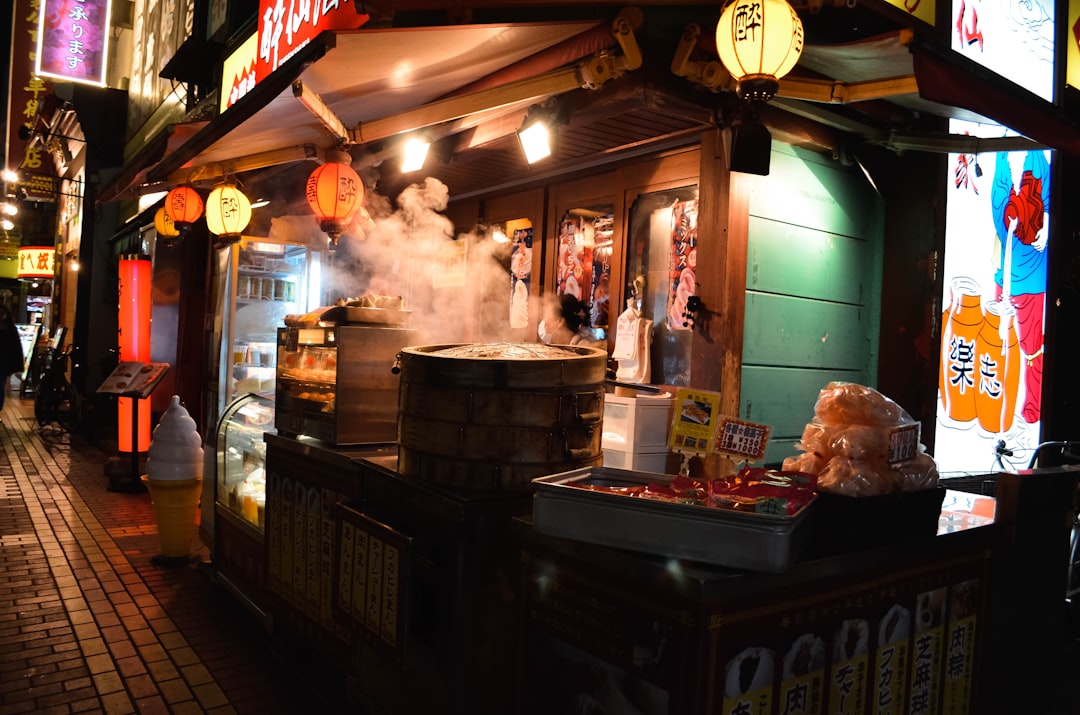

Photo by Varun Goregaonkar on Unsplash
Why the Michelin Guide Matters for Tokyo Street Food
When most travelers hear “Michelin Guide,” they picture white tablecloths, tasting menus, and eye-watering bills. But in Tokyo, the Michelin Guide tells a very different story. This is a city where a bowl of ramen slurped standing up at a counter, a skewer of grilled chicken from a smoky yakitori stall, or a perfectly folded tamagoyaki from a market stand can earn the same red-covered recognition as a three-star kaiseki restaurant. The Michelin Guide’s Bib Gourmand category exists specifically to celebrate this kind of food: exceptional quality at an accessible price, often served in tiny shops, alleyways, and street-level counters across the city.
For food lovers planning a trip, understanding how Michelin approaches Tokyo’s street food scene is the key to unlocking some of the most memorable meals of your entire journey, often for the price of a coffee back home.
What Is the Bib Gourmand, and Why Does It Matter for Street Food?
The Bib Gourmand is a Michelin distinction awarded to restaurants and stalls that offer a high-quality meal at a reasonable price, typically without the formality or cost associated with starred establishments. In Tokyo, this category has become the unofficial map for street food and casual eating, covering everything from tiny standing sushi counters to tucked-away tempura stalls in covered shopping arcades.
Unlike the star system, which rewards technical mastery and refinement over multiple courses, the Bib Gourmand rewards flavor, consistency, and value. This makes it the perfect guide for travelers who want to eat like a local without needing a reservation made months in advance.
Where to Find Michelin-Recognized Street Food in Tokyo
Ameya-Yokocho (Ameyoko) Market, Ueno
This bustling post-war market street is packed with stalls selling grilled seafood, fresh fruit skewers, and steaming bowls of noodles. Several vendors here have caught Michelin inspectors’ attention for their consistency and bold flavors, particularly grilled scallops and fresh sashimi bowls served straight from ice-packed carts.
Omoide Yokocho, Shinjuku
Nicknamed “Memory Lane,” this narrow alley near Shinjuku Station is lined with impossibly small yakitori and skewer stalls, many seating fewer than ten people. The smoky char of grilled chicken thigh, cartilage, and liver skewers, paired with cold beer, is the kind of experience that keeps drawing Michelin recognition to this humble strip.
Tsukiji Outer Market
Even though the main wholesale market has relocated, the outer market remains a street food paradise. Tamagoyaki stands, grilled unagi stalls, and fresh uni bowls served on the spot have long been favorites of guide inspectors looking for exceptional seafood without the sit-down price tag.
Asakusa’s Nakamise-dori and Surrounding Alleys
Just steps from Senso-ji Temple, this historic shopping street and its side alleys are filled with vendors selling ningyo-yaki (small cakes filled with sweet bean paste), fresh senbei rice crackers, and age-manju (fried sweet buns). Several nearby noodle and tempura shops carry Bib Gourmand status, rewarding visitors who wander just a block or two off the main tourist path.
Types of Street Food Most Likely to Earn Recognition
- Ramen: Tokyo’s ramen scene is intensely competitive, and even tiny counter shops with a handful of stools regularly earn Bib Gourmand status for rich, carefully balanced broths.
- Yakitori: Skewered, grilled chicken remains one of the most consistently celebrated street foods, especially in Shinjuku and Yurakucho’s under-the-tracks alleys.
- Tempura: Small standing counters that fry to order, using seasonal vegetables and fresh seafood, are frequent Bib Gourmand recipients.
- Soba and Udon: Handmade noodle shops, often family-run for generations, are quietly among the most rewarded street-level eateries.
- Sushi: Not just the omakase temples—counter-style sushi stalls serving quick, fresh nigiri also make the list.
How to Use the Michelin Guide for Street Food Hunting
The Michelin Guide’s official website and app allow users to filter by price range and category, making it simple to search specifically for Bib Gourmand listings within Tokyo. A few practical tips make this process even smoother:
- Search by neighborhood rather than dish type first, since many listings cluster around train stations and market streets.
- Cross-reference Bib Gourmand picks with opening hours, as many street stalls operate only during lunch or late-night hours.
- Don’t dismiss a listing because it lacks English signage; some of the most rewarded stalls are entirely local-language operations.
- Expect small portions and quick turnover; street food culture in Tokyo values efficiency, so lingering conversations are rare during peak hours.
Tips for Enjoying Tokyo’s Street Food Like a Local
Street food etiquette in Tokyo differs from many other Asian cities. Eating while walking is generally frowned upon, so most vendors provide small standing areas or a few stools nearby. Cash remains king at many stalls, even Michelin-recognized ones, so carrying yen in small denominations is essential. It’s also common practice to queue quietly and order quickly once at the counter, as efficiency is highly valued.
Portion sizes tend to be smaller than Western expectations, which actually works in your favor: it allows for an extended crawl through multiple stalls in a single evening, sampling several Bib Gourmand-worthy bites rather than committing to one large meal.
Beyond the Guide: Trusting Your Own Palate
While the Michelin Guide offers an excellent starting point, some of Tokyo’s best street food discoveries happen by simply following long lines of local office workers during lunch hour or the enticing smell of charcoal smoke drifting from an unmarked alley stall. The guide’s inspectors themselves often highlight this spirit of exploration, noting that Tokyo’s street food culture is too vast and constantly evolving to be fully captured on any single list.
Final Thoughts
The Michelin Guide’s recognition of Tokyo street food has done something valuable: it has validated a food culture that was already extraordinary long before any inspector arrived with a notebook. For travelers, this means you no longer have to choose between adventurous eating and reliable quality. With a little research, a willingness to squeeze into a six-seat counter, and an appetite for discovery, you can eat your way through some of the most celebrated flavors in the world, one skewer, one bowl, and one alley at a time.