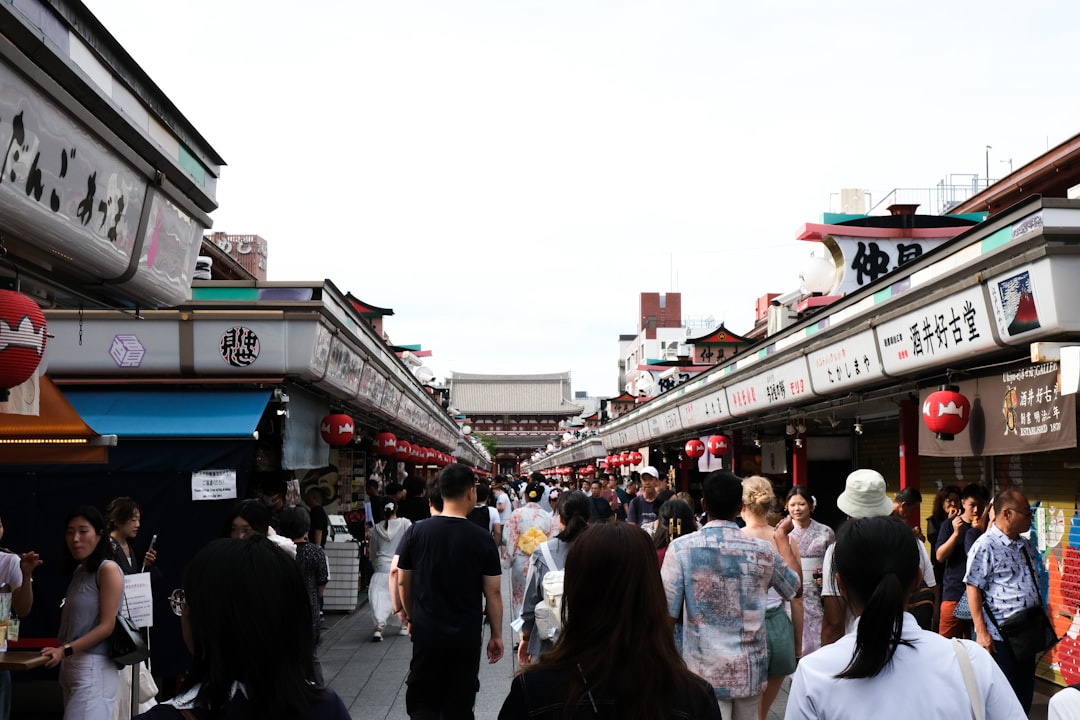
Osaka is famous as Japan’s kitchen, a city where eating is practically a competitive sport. But if you follow a vegetarian diet, navigating the meat- and fish-heavy world of Japanese cuisine can feel intimidating. The good news is that Osaka’s department store basement food halls, known locally as depachika, are some of the most vegetarian-friendly places to eat in the entire country. Packed with fresh produce, pickles, tofu creations, rice balls, and beautifully presented vegetable dishes, these underground food wonderlands offer an easy and delicious way to eat well without meat or fish. This guide will walk you through the best depachika in Osaka for vegetarians, what dishes to look for, ingredients to avoid, and practical tips to make your food hall crawl a success.
What Are Depachika and Why They’re Great for Vegetarians
Depachika literally means “department store basement,” and in Japan these basements are transformed into sprawling gourmet food halls filled with dozens of individual vendors. Unlike restaurants, where a hidden dashi broth or bonito flakes might sneak into an otherwise vegetable-based dish, depachika stalls display their food openly. You can see exactly what you’re buying, inspect ingredient labels, and point at what looks appealing. Many vendors specialize in a single category, such as pickles, tofu, salads, or rice dishes, which makes it much easier to identify vegetarian options compared to a mixed-menu restaurant. Food halls are also wonderfully flexible: you can graze from multiple stalls, build a custom meal, and eat at your own pace, either standing, at a small eating area, or taken away to a park or hotel room.
Best Vegetarian-Friendly Food Halls in Osaka
Hanshin Umeda Department Store Food Hall
Located in the Umeda district, the Hanshin department store basement is legendary among locals for its incredible variety, especially its produce section and prepared vegetable dishes. Look for the extensive salad and pickle counters, as well as stalls selling simmered vegetables (nimono) and seasonal tempura. The sheer density of options here makes it one of the easiest places in Osaka to build a fully vegetarian meal.
Daimaru Umeda Food Hall
Daimaru’s basement level is a polished, upscale food hall with a strong focus on regional Japanese delicacies and beautifully packaged sweets. Vegetarians will appreciate the wagashi (traditional Japanese sweets) counters, fruit sando stalls, and several vendors offering vegetable-based bento boxes. It’s also a great spot to pick up high-quality matcha treats and mochi to snack on while exploring the city.
Takashimaya Osaka Food Hall
Takashimaya, near Namba, is known for its refined atmosphere and excellent tofu and yuba (tofu skin) specialty shops. These stalls often sell silken tofu, yuba rolls, and tofu-based desserts that are naturally vegetarian and sometimes vegan. The hall also has a strong selection of pickled vegetables (tsukemono) which pair perfectly with plain rice for a simple, satisfying meal.
Hankyu Umeda Food Hall
Hankyu’s food hall is enormous and slightly more casual, with a huge bakery section that includes vegetable-filled breads and pastries. While bread in Japan can sometimes contain dashi or animal fats, many bakery items here are clearly plant-based, such as vegetable curry buns, sweet potato pastries, and fruit-topped tarts.
Namba Parks and Namba City Food Areas
While not a traditional depachika, the food areas around Namba Parks and Namba City offer a mix of grocery-style stalls and quick-service counters where you can find fresh fruit, onigiri, and vegetable side dishes. It’s a convenient stop if you’re exploring southern Osaka and want a quick vegetarian bite.
What to Look For: Vegetarian-Friendly Foods in Japanese Food Halls
Once you’re inside a depachika, the variety can feel overwhelming. Here are reliable categories of food that are often vegetarian or easily adapted:
- Inari sushi – sweet fried tofu pouches filled with vinegared rice, almost always vegetarian
- Onigiri with pickled plum (umeboshi), kombu, or vegetable fillings
- Vegetable tempura, including sweet potato, pumpkin, and eggplant
- Tsukemono (Japanese pickles) in endless varieties
- Tofu and yuba dishes, from simple hiyayakko to elaborate tofu skin rolls
- Simmered vegetable dishes (nimono) such as kabocha squash or root vegetables
- Edamame and seasoned bean dishes
- Fresh fruit cups and fruit sandwiches
- Wagashi sweets made from red bean paste, mochi, and agar
- Salads with sesame or miso-based dressings (always check for hidden fish flakes)
Ingredients to Watch Out For
Japanese cuisine relies heavily on dashi, a stock typically made from katsuobushi (bonito flakes) and kombu (kelp). Even dishes that look entirely vegetable-based, such as miso soup or simmered greens, may be flavored with fish-based dashi. Other ingredients to watch for include:
- Katsuobushi flakes sprinkled on top of dishes as a garnish
- Fish sauce or fish paste used in some sauces and dressings
- Chicken or pork used in fried rice and noodle dishes that otherwise appear vegetable-forward
- Gelatin in some jellies and desserts
- Lard used in certain breads and pastries
If you’re strict about avoiding fish-based dashi, look for vendors specializing in shojin ryori-style Buddhist vegetarian cuisine, or ask directly using the phrases below.
Useful Japanese Phrases for Vegetarians
Communicating dietary needs can be challenging, but a few key phrases go a long way in a depachika setting:
- “Niku to sakana wa tabemasen” – I don’t eat meat or fish
- “Dashi wa haitte imasu ka?” – Does this contain dashi (fish stock)?
- “Kore wa bejitarian desu ka?” – Is this vegetarian?
- “Katsuobushi nashi de onegaishimasu” – Without bonito flakes, please
Having these phrases written down or saved on your phone can make interactions with stall staff much smoother, especially in busy food halls where English may be limited.
Tips for Navigating Food Halls as a Vegetarian
A little preparation makes depachika dining far less stressful. First, visit during off-peak hours, typically mid-afternoon on weekdays, when stalls are less crowded and staff have more time to answer questions. Second, look for ingredient labels, which are often posted near the food even if written only in Japanese; a translation app with a camera feature can be a lifesaver. Third, don’t be afraid to point and ask, as most stall workers are used to helping customers identify what’s in each dish. Finally, consider building a mixed meal from several stalls rather than expecting one vendor to serve a complete vegetarian spread; this grazing style is part of the fun of depachika culture anyway.
Sample Vegetarian Food Hall Crawl Itinerary
If you want to turn your visit into a mini food tour, start at Hanshin Umeda for a savory base of pickles, simmered vegetables, and inari sushi. Walk to Hankyu Umeda for a vegetable pastry or bread as a mid-morning snack. In the afternoon, head toward Takashimaya near Namba for tofu and yuba specialties, finishing with a stop at Daimaru Umeda for wagashi sweets and matcha treats to cap off your day. This route lets you sample the distinct character of each food hall while staying fully vegetarian throughout.
Conclusion
Osaka’s depachika food halls prove that eating vegetarian in Japan doesn’t have to mean sacrificing flavor, variety, or the joy of discovery. With a bit of knowledge about which stalls to visit, which dishes to seek out, and which ingredients to watch for, you can turn a trip to any Osaka department store basement into a delicious, plant-based feast. Whether you’re grabbing a quick inari sushi snack or building an elaborate multi-course meal from several vendors, these food halls offer an accessible, budget-friendly, and endlessly interesting way to experience Osaka’s culinary culture as a vegetarian traveler.
Photo by HsinKai Tai on Unsplash