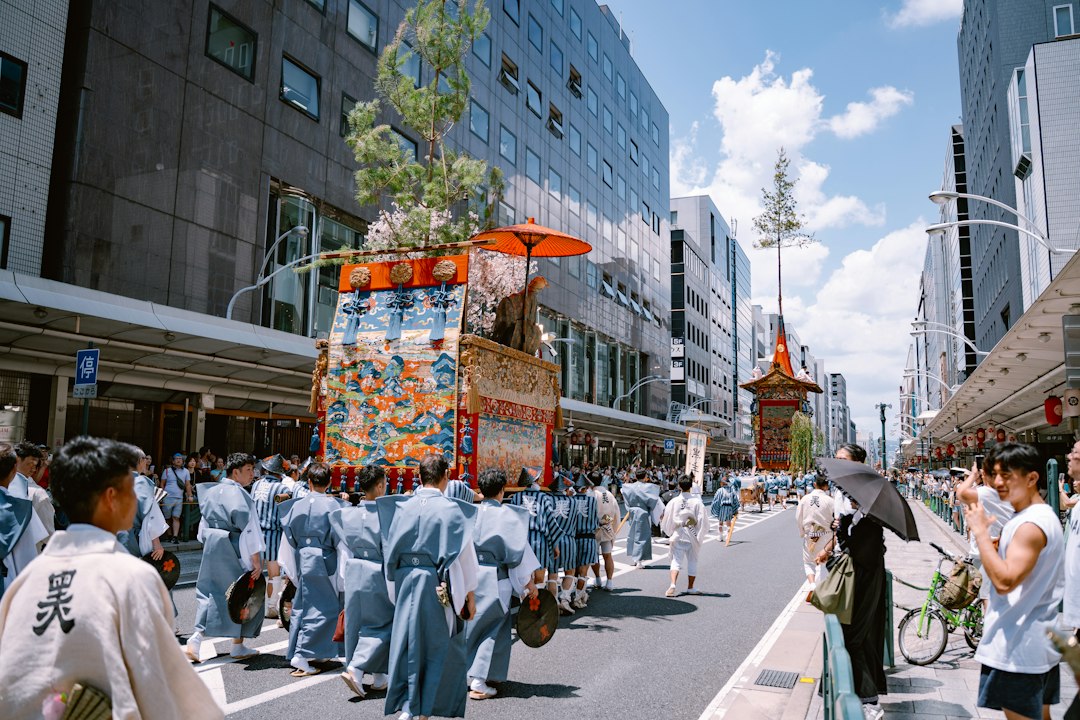
Introduction to Gion Matsuri
Gion Matsuri is one of the most celebrated festivals in Japan, transforming the ancient streets of Kyoto into a vibrant stage of tradition, music, and community spirit every summer. Spanning the entire month of July, this festival is hosted by Yasaka Shrine and is deeply woven into the cultural fabric of Kyoto. Whether you are a first-time visitor or a seasoned Japan traveler, understanding the rhythm and meaning behind Gion Matsuri will make your experience far richer.
A Brief History of Gion Matsuri
The origins of Gion Matsuri trace back over a thousand years to a purification ritual meant to appease deities believed to cause plagues and natural disasters. Over centuries, the festival evolved into an elaborate display of craftsmanship, faith, and civic pride. Kyoto’s merchant families historically funded and maintained the ornate floats used in the processions, and many of these traditions continue today, passed down through generations of local neighborhood associations.
When Does Gion Matsuri Take Place
Gion Matsuri runs throughout July, making it one of the longest festivals in Japan. Unlike many festivals that last only a day or two, Gion Matsuri unfolds gradually, with rituals, float assembly, evening parties, and grand parades occurring at different points throughout the month. This extended format allows visitors to plan a trip around specific events rather than needing to arrive on one single date.
Key Phases of the Festival
- Early July: Purification rituals and the initial float construction begin in various neighborhoods.
- Mid-July: The Yoiyama evening festivities take place, featuring lantern-lit streets, food stalls, and displays of family heirlooms.
- Mid-July Parades: The Saki Matsuri procession showcases the majority of the large wooden floats.
- Late July: The Ato Matsuri procession follows with a smaller, more intimate parade.
- Late July Conclusion: Closing ceremonies and shrine rituals mark the end of the month-long celebration.
The Magnificent Yamaboko Floats
The heart of Gion Matsuri lies in its towering yamaboko floats, some reaching the height of a two-story building. These floats are constructed without nails, using a traditional rope-tying technique that has been preserved for centuries. Each float is decorated with intricate tapestries, some featuring imported textiles from Europe and the Middle East that arrived in Japan centuries ago via trade routes. The craftsmanship reflects both religious symbolism and the wealth of Kyoto’s historic merchant districts.
Every float belongs to a specific neighborhood and carries its own unique story, deity, or protective charm. Some floats feature musicians playing traditional flutes, drums, and gongs, creating a hypnotic soundtrack that echoes through the streets during the parade.
Yoiyama: The Evening Before the Parade
Many visitors consider Yoiyama, the festival’s preliminary evening events, to be the most magical part of Gion Matsuri. During these nights, central Kyoto closes to vehicle traffic, and streets fill with lantern light, the aroma of festival food, and crowds dressed in yukata. Homes and businesses in the old merchant district open their doors to display family treasures, screens, and artwork passed down through generations. Wandering through these illuminated streets offers a rare glimpse into Kyoto’s private cultural heritage.
What to Try at Yoiyama
- Traditional festival snacks like grilled skewers, shaved ice, and taiyaki
- Limited-edition charms and amulets sold near the floats, believed to bring protection and good fortune
- Local sake tastings offered by some neighborhood associations
- Photography opportunities with illuminated floats against the night sky
The Grand Procession
The daytime parades are the festival’s most photographed moments. Enormous floats are pulled through the streets by teams of men in traditional dress, accompanied by musicians and ceremonial performers. The synchronized turning of the massive wheels at street corners, achieved through manual leverage and teamwork, is a highlight that draws gasps from the crowd. Reserved seating is available along the parade route for those who want a guaranteed view, while free viewing spots along side streets offer a more local experience.
Tips for Visiting Gion Matsuri
- Wear comfortable shoes, as most of the festival involves walking through crowded pedestrian streets.
- Arrive early for parade viewing, as popular spots fill up quickly.
- Stay hydrated and prepare for Kyoto’s humid summer heat by carrying a portable fan or cooling towel.
- Dress in yukata if you want to blend in with the festive atmosphere; many rental shops in Kyoto offer affordable options.
- Respect the floats and displayed heirlooms by not touching them, as many are irreplaceable cultural artifacts.
- Book accommodation well in advance, since hotels near central Kyoto fill up quickly during this period.
Where to Stay for Gion Matsuri
For the most convenient access to both the evening festivities and daytime parades, consider staying near central Kyoto’s traditional districts. Being within walking distance allows you to enjoy the atmosphere late into the night without worrying about train schedules. If central accommodations are fully booked, areas with direct subway access to downtown Kyoto are a practical alternative.
Exploring Beyond the Festival
While Gion Matsuri is the centerpiece of a July visit to Kyoto, the surrounding neighborhoods offer plenty to explore. Yasaka Shrine itself is worth visiting outside of festival hours, and nearby historic streets are lined with traditional teahouses, craft shops, and quiet temples. Extending your trip to include a stroll through Kyoto’s preserved merchant districts adds valuable context to the festival’s deep historical roots.
Why Gion Matsuri Remains a Must-See Cultural Experience
Gion Matsuri is more than a parade; it is a living tradition that connects modern Kyoto to centuries of craftsmanship, faith, and community identity. The month-long celebration offers something for every type of traveler, from quiet evening walks among lantern-lit floats to the thrilling spectacle of the grand procession. Planning your visit around these key events ensures an unforgettable encounter with one of Japan’s most iconic cultural traditions.
Final Thoughts
Whether you attend for a single evening or plan your entire summer trip around it, Gion Matsuri offers a rare opportunity to witness Kyoto’s history come alive. By understanding the festival’s structure, key events, and practical tips, you can make the most of this unforgettable summer celebration and gain a deeper appreciation for Japan’s rich cultural heritage.
Photo by PJH on Unsplash