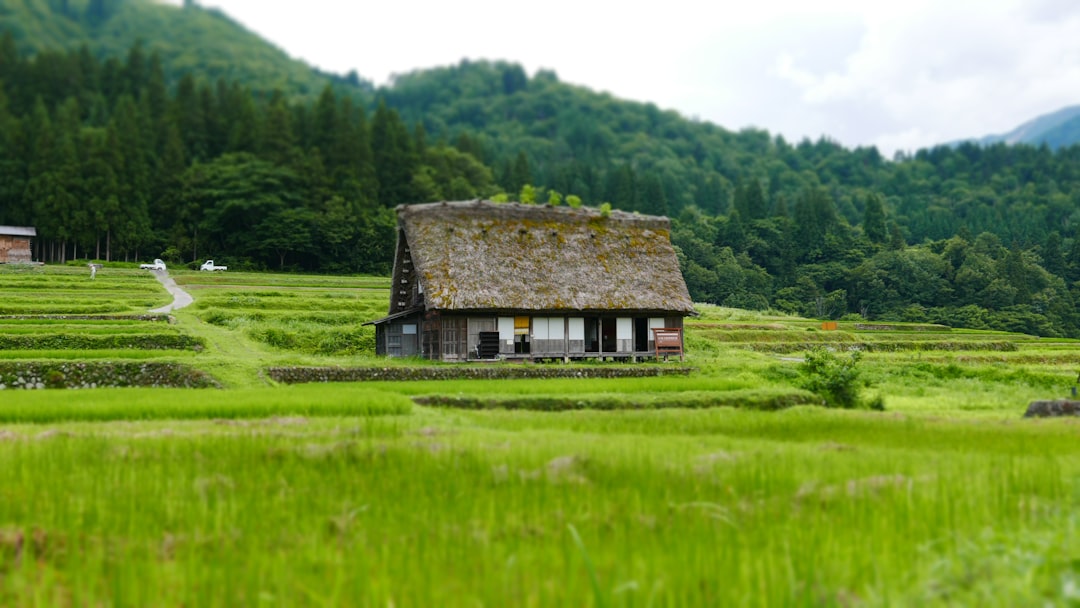
Discovering the Real Japan Beyond the Cities
Tokyo’s neon skylines and Kyoto’s temple corridors capture most travelers’ imaginations, but a quieter, deeply rewarding side of Japan exists far from the tourist trail. A countryside farm stay, known locally as minpaku or nouhaku, invites visitors to live alongside Japanese farming families, harvest seasonal crops, and experience the rhythms of rural life that have shaped the nation for centuries. This is Japan without the crowds, where hospitality is unhurried and every meal tells a story about the land.
What Exactly Is a Farm Stay in Japan?
A farm stay typically means lodging with a local family on a working farm, ranch, or orchard, often in a traditional wooden farmhouse called a kominka. Unlike a standard homestay, the experience centers on hands-on participation. Guests might wake before sunrise to feed livestock, spend the morning planting rice seedlings in flooded paddies, or pick strawberries, apples, or citrus depending on the region and season. Evenings usually involve home-cooked meals made from the very ingredients harvested that day, shared around a low table with the host family.
These programs exist throughout Japan’s rural prefectures, from the mountainous villages of Nagano and Gifu to the rolling farmland of Hokkaido and the subtropical fields of Okinawa. Many are organized through regional tourism boards, agricultural cooperatives, or dedicated farm stay networks that vet hosts and standardize basic amenities while preserving the authenticity of daily rural life.
Why a Farm Stay Should Be on Your Japan Itinerary
Authentic Cultural Immersion
Nowhere else will you understand Japanese values of hard work, respect for nature, and community as intimately as on a farm. Hosts often share family histories, folk traditions, and regional dialects that rarely surface in guidebooks. You will likely learn phrases in local dialect, participate in seasonal festivals, and understand the deep spiritual connection many rural Japanese have with agriculture, rooted in Shinto beliefs about nature spirits and gratitude for harvests.
Slow Travel and Genuine Relaxation
Farm stays counter the fast pace of typical sightseeing. There are no queues, no rush to the next landmark. Instead, days unfold according to natural light and seasonal tasks. Many travelers describe farm stays as the most restorative part of their entire Japan trip, offering mental space that bullet trains and crowded shrines simply cannot provide.
Exceptional, Fresh Cuisine
Rural Japanese cooking, known as satoyama cuisine, emphasizes hyper-local, seasonal ingredients. Expect meals built around vegetables pulled from the garden that morning, wild mountain plants called sansai, freshly caught river fish, and rice grown in the very paddies you may have helped plant. This is farm-to-table dining in its purest, most unpretentious form.
Supporting Rural Communities
Japan’s countryside faces significant depopulation as younger generations move to cities. Farm stays provide crucial supplementary income for aging farming families and help preserve traditional agricultural knowledge, architecture, and landscapes like terraced rice fields that might otherwise disappear.
Popular Regions for Farm Stay Experiences
Nagano Prefecture
Surrounded by the Japanese Alps, Nagano offers apple and grape orchard stays, alpine vegetable farming, and access to hot spring villages after a day of physical work in the fields.
Hokkaido
Japan’s northern frontier features vast dairy farms, lavender fields, and potato plantations. Farm stays here often include milking cows, cheese-making workshops, and sweeping views of open countryside rarely seen elsewhere in Japan.
Kyoto’s Rural Outskirts
Beyond the temples, areas like Miyama and Ayabe preserve thatched-roof farmhouse villages where visitors can combine cultural sightseeing with genuine agricultural work, including tea cultivation and traditional vegetable farming.
Okinawa and Southern Islands
Subtropical farm stays here focus on sugarcane harvesting, pineapple farming, and unique Ryukyu culture, offering a completely different rhythm from mainland rural life.
Iya Valley and Shikoku
One of Japan’s most remote regions, the Iya Valley offers vine bridges, steep mountainside farming, and some of the country’s most dramatic, untouched scenery paired with farm stay hospitality.
What to Expect: Daily Life on a Japanese Farm Stay
- Early mornings, often starting between 5 and 6 AM depending on the season and farm type
- Hands-on tasks such as planting, weeding, harvesting, feeding animals, or preparing produce for market
- Communal, home-cooked meals featuring rice, miso soup, pickled vegetables, and seasonal specialties
- Basic but comfortable accommodation, frequently in traditional tatami-mat rooms with futon bedding
- Limited but often sufficient English, with translation apps or gestures bridging language gaps
- Optional evening activities like stargazing, onsen visits, or learning traditional crafts such as weaving or pottery
How to Book a Farm Stay in Rural Japan
Several organizations specialize in connecting travelers with vetted farm stay hosts. Regional tourism associations in prefectures like Nagano, Iwate, and Yamagata maintain lists of certified farmhouses. National agritourism platforms and Japan-focused travel agencies also offer curated farm stay packages that include transportation from major train stations, since many farms are located in areas with limited public transit.
It is wise to book several weeks in advance, particularly during planting season in spring or harvest season in autumn, when demand from both domestic and international travelers peaks. Some hosts require a minimum stay of two nights to make the cultural exchange meaningful, while others offer single-night introductory experiences.
Practical Tips for a Successful Farm Stay
- Pack sturdy, weather-appropriate clothing you don’t mind getting dirty, along with a change of shoes for muddy fields
- Bring modest gifts from your home country, a customary gesture of goodwill called omiyage
- Learn a few basic Japanese phrases beyond standard greetings to show respect and effort
- Be prepared for physical labor; farm stays are participatory, not passive lodging experiences
- Respect house rules regarding bathing order, shoe removal, and shared spaces, which reflect long-standing Japanese customs
- Keep an open mind about food, as farm stay meals may include unfamiliar ingredients like wild mountain vegetables or fermented foods
Who Should Try a Farm Stay?
Farm stays suit curious travelers seeking depth over spectacle: families wanting an educational experience for children, solo travelers hoping for genuine human connection, food enthusiasts eager to understand Japanese cuisine at its source, and anyone fatigued by conventional tourist itineraries. Physical fitness helps but is not mandatory, as most hosts adjust tasks according to guests’ ability and interest.
Final Thoughts on Rural Japan’s Hidden Charm
A countryside farm stay offers something no five-star hotel or guided tour can replicate: an unscripted, honest glimpse into everyday Japanese life. It is a chance to slow down, work with your hands, share meals with strangers who quickly feel like family, and return home with a far richer understanding of Japan than any checklist of famous landmarks could provide. For travelers willing to trade convenience for authenticity, rural Japan’s farms offer some of the most memorable, meaningful days of any trip to the country.
Photo by Victor Lu on Unsplash