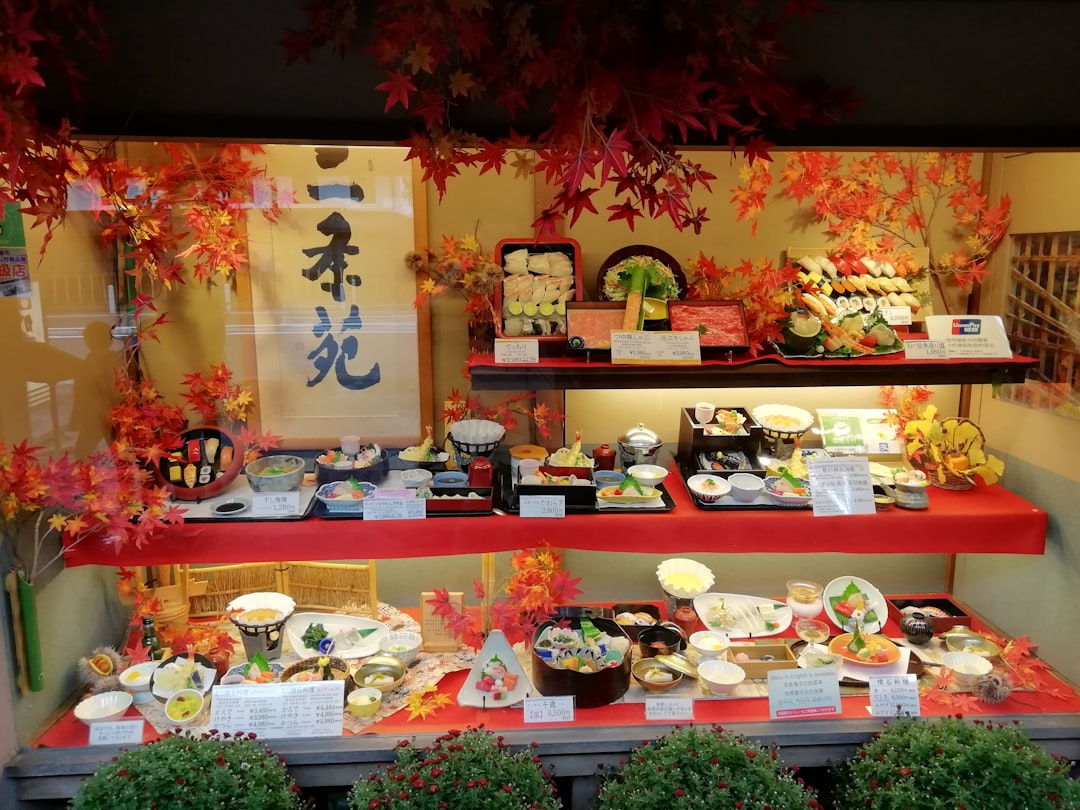

Photo by ludovico di giorgi on Unsplash
What Is a Depachika?
Tucked beneath the glossy fashion floors of Japan’s most prestigious department stores lies a world of culinary wonder known as the depachika (デパ地下), a portmanteau of ‘depaato’ (department store) and ‘chika’ (basement). These subterranean food halls are far more than simple grocery sections; they are elaborate showcases of Japanese and international gastronomy, where meticulous presentation meets extraordinary quality. For any food lover visiting Japan, a trip to a depachika is not optional, it is essential.
Walking down the escalator into a depachika feels like entering a different dimension. Bright lights illuminate glass display cases filled with jewel-like wagashi sweets, glistening cuts of sashimi, golden fried tempura, and towers of delicate French pastries. The air buzzes with energy as uniformed staff call out greetings, offer samples, and wrap purchases with the kind of care usually reserved for fine jewelry.
The History Behind the Basement Food Hall
The depachika concept traces its roots back to the early twentieth century, when Japanese department stores began incorporating grocery sections to attract middle and upper class shoppers. Over the decades, these basement floors evolved from simple food markets into highly curated culinary destinations. Department stores began competing fiercely to secure exclusive vendors, limited edition items, and famous regional specialties, transforming the depachika into a status symbol of gastronomic excellence.
Today, flagship depachika in major cities host hundreds of specialty vendors under one roof, ranging from centuries old wagashi confectioners to Michelin starred bento boxes and imported European cheeses. This evolution reflects Japan’s broader food culture, one that values seasonality, craftsmanship, and impeccable presentation.
What You Will Find in a Typical Depachika
Bento Boxes and Prepared Meals
One of the biggest draws of any depachika is the astonishing variety of bento boxes and ready made side dishes, known as osozai. These are not your average convenience store lunches. Depachika bento often feature seasonal ingredients, artistic plating, and collaborations with famous restaurants. You might find a bento inspired by a Kyoto kaiseki chef sitting next to a simple but perfectly executed tonkatsu set, each one prepared fresh throughout the day.
Sweets and Wagashi
Depachika are paradise for anyone with a sweet tooth. Traditional wagashi confectioners display seasonal treats like sakura mochi in spring or chestnut infused sweets in autumn, each one a tiny edible sculpture. Alongside these are counters dedicated to Western style patisserie, offering delicate mille feuille, fruit tarts, and rich chocolate confections crafted by trained pastry chefs. Many depachika also feature exclusive collaborations with famous confectioners, meaning some sweets can only be purchased at specific store locations.
Fresh Seafood and Meat
For those who prefer cooking at home, depachika offer premium seafood and meat sections that rival high end fish markets. Expect beautifully arranged sashimi platters, live seafood tanks, and cuts of wagyu beef marbled to perfection. These sections often source directly from renowned regional producers, ensuring exceptional freshness and quality.
Pickles, Tea, and Regional Specialties
No depachika would be complete without an extensive selection of tsukemono, Japan’s beloved pickled vegetables, along with high quality green teas and regional specialty products. Many stores dedicate entire sections to showcasing rare ingredients and delicacies from specific prefectures, giving shoppers a taste of Japan’s diverse culinary geography without leaving the city.
How to Navigate a Depachika Like a Local
Timing Your Visit
Understanding when to visit a depachika can significantly enhance your experience. Late afternoon and early evening, particularly around thirty minutes to an hour before closing, is prime time for discounted items. Staff apply stickers marking down bento boxes and prepared foods that need to sell before the day ends, sometimes offering savings of twenty to fifty percent.
If you prefer maximum selection and are not concerned with discounts, visiting earlier in the day, especially late morning, ensures the widest variety of freshly prepared items before popular options sell out.
Sampling Etiquette
Many depachika vendors offer small samples, particularly of sweets, pickles, and specialty snacks. Feel free to accept these offerings, but remember that sampling is meant to inform purchases rather than serve as a free meal. It is considered polite to make a small purchase if you have sampled several items from a single vendor.
Navigating the Crowds
Depachika can become extremely crowded, particularly during weekends, holidays, and gift giving seasons. Move with the flow of foot traffic, keep bags close to your body, and be mindful when stopping to browse displays, as blocking narrow aisles can inconvenience other shoppers.
Best Depachika to Visit
While nearly every major department store in Japan features an impressive depachika, a few stand out as must visit destinations for serious food enthusiasts.
- Isetan Shinjuku: Widely considered one of the finest depachika in Tokyo, known for its exceptional variety of sweets and gourmet prepared foods.
- Mitsukoshi Nihonbashi: Japan’s oldest department store offers a depachika steeped in tradition, with historic vendors and refined presentation.
- Takashimaya Osaka: A fantastic representation of Kansai region food culture, featuring local specialties alongside nationally famous brands.
- Daimaru Kyoto: Perfect for sampling traditional Kyoto style wagashi and seasonal delicacies rooted in centuries old culinary traditions.
Depachika as the Perfect Gift Destination
Beyond personal indulgence, depachika play a vital role in Japan’s gift giving culture. Beautifully packaged sweets, fruits, and specialty foods make ideal omiyage, the customary souvenirs given to colleagues, friends, and family after traveling. Staff are highly skilled at gift wrapping, and many items come in elegant boxes designed specifically for presentation. If you need a thoughtful gift for a Japanese host or colleague, the depachika is an excellent starting point.
Tips for First Time Visitors
- Bring cash, as some smaller vendor stalls within depachika may not accept credit cards, though this is becoming less common.
- Look for small stickers or tags indicating limited quantities or best before dates, especially for prepared foods intended for same day consumption.
- Do not be afraid to point and gesture if language is a barrier, most staff are accustomed to assisting international visitors.
- Consider purchasing a small assortment of items to create your own tasting experience back at your accommodation.
- Check for seasonal fairs, as many depachika host rotating pop up events featuring regional specialties or famous guest vendors from other parts of Japan.
Final Thoughts
A visit to a depachika offers far more than a simple shopping errand, it is an immersive cultural experience that reveals the artistry, precision, and deep appreciation for food that defines Japanese culinary culture. Whether you are searching for the perfect bento box, a beautifully crafted wagashi sweet, or a memorable gift to bring home, the basement food halls of Japan’s department stores deliver an unforgettable sensory journey. Next time you find yourself near a major department store in Japan, skip the escalator to the fashion floors and head straight downstairs, your taste buds will thank you.