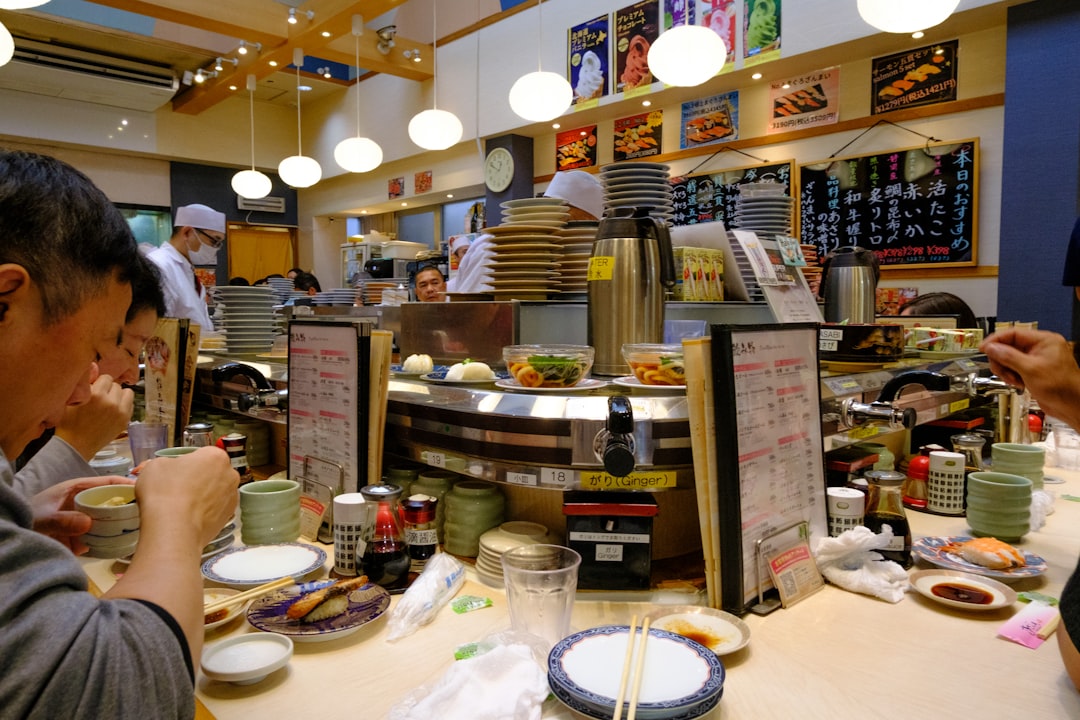

Photo by Mateo Krossler on Unsplash
Why Conveyor Belt Sushi Is a Tokyo Must-Try Experience
Few dining experiences capture the fun, efficiency, and affordability of Japanese food culture quite like kaiten-zushi, or conveyor belt sushi. Plates of freshly prepared nigiri, rolls, and sides glide past on a rotating belt while diners pluck whatever catches their eye, paying only for the plates they consume. In Tokyo, this casual sushi format has evolved into a highly competitive industry, with major chains constantly innovating on quality, technology, and price. Whether you are a budget-conscious traveler, a first-time sushi eater, or a seasoned foodie curious about Japan’s culinary ingenuity, conveyor belt sushi offers an approachable and endlessly entertaining way to eat well in the capital.
This guide breaks down the best conveyor belt sushi chains in Tokyo, what makes each one unique, and practical tips for making the most of your visit.
What Makes Tokyo’s Conveyor Belt Sushi Scene Special
Unlike traditional sushi restaurants that can feel intimidating or expensive, kaiten-zushi chains are designed for accessibility. Most plates cost between 100 and 200 yen, English menus and touchscreen ordering are common in tourist-heavy areas, and the entire process—from seating to payment—is streamlined for quick turnover. Many chains have also embraced technology, using conveyor belts alongside digital ordering lanes, automated plate-counting systems, and even bullet-train-style delivery tracks that shoot your order directly to your seat.
Despite the low prices, quality control remains surprisingly high thanks to fierce competition and advanced supply chains that source seafood daily from markets across Japan. Here are the standout chains worth seeking out during your Tokyo visit.
1. Sushiro
Sushiro is widely regarded as Japan’s largest and most popular conveyor belt sushi chain, and for good reason. Known for sourcing fresh, high-quality fish at unbeatable prices, Sushiro consistently ranks at the top of customer satisfaction surveys. Standard plates typically start around 115 yen, making it one of the most affordable options without sacrificing taste.
- Famous for seasonal fair items featuring rare or limited-time seafood
- Touchscreen ordering system with English, Chinese, and Korean language options
- Efficient plate-return system that automatically calculates your bill
- Locations throughout Tokyo, including Shibuya, Shinjuku, and Ikebukuro
Sushiro’s tuna and salmon are particular standouts, and their seasonal campaigns often introduce inventive rolls and desserts that keep locals coming back.
2. Kura Sushi
Kura Sushi distinguishes itself with a strong commitment to food safety and a playful, tech-forward dining experience. Every plate travels under a plastic cover to keep it hygienic and fresh until it reaches your table, and the chain uses a “bikkura-pon” gacha game—every fifth plate you return gives you a chance to win a small toy capsule, a hit with families and novelty-seekers alike.
- Strict no-additive policy, avoiding artificial seasonings and preservatives
- Covered plates ensure freshness and hygiene
- Fun reward system that appeals to children and adults alike
- Excellent tempura and dessert menu alongside classic nigiri
Kura Sushi is a great pick for families traveling with kids, thanks to its entertainment value and consistently reliable quality.
3. Hamazushi
Hamazushi is often praised as the most budget-friendly major chain in Tokyo, with many plates priced even lower than competitors during off-peak hours. Operated by Zensho Holdings, the same company behind the Sukiya beef bowl chain, Hamazushi benefits from efficient large-scale sourcing that keeps costs down.
- Extremely competitive pricing, especially during lunch hours
- Rotating discounts and time-limited promotions
- Solid variety of cooked and vegetarian-friendly options
- Good choice for travelers watching their budget without compromising on taste
While the ambiance is simpler than some competitors, Hamazushi delivers dependable quality at prices that make it easy to try many different items in one sitting.
4. Genki Sushi
Genki Sushi is beloved for its unique ordering system: rather than picking plates directly off a physical belt, many locations use a touchscreen tablet to order, and your selections arrive via a high-speed “shinkansen” style track that stops right at your seat. This system reduces food waste and ensures every plate is made fresh to order rather than sitting on a rotating belt.
- High-speed delivery track adds a fun, novel dining spectacle
- Made-to-order freshness rather than pre-made rotating plates
- Popular with tourists for its interactive, tech-driven appeal
- Conveniently located in areas like Shibuya, popular with visitors
If you are looking for a memorable, photo-worthy sushi experience, Genki Sushi’s delivery system is one of the most fun in the city.
5. Uobei (Genki Sushi Group)
A sister brand under the same corporate umbrella as Genki Sushi, Uobei takes the high-speed delivery concept even further, with virtually no traditional conveyor belt at all in some locations—just digital ordering and express-lane delivery. Uobei’s Shibuya location is a favorite among tourists for its efficient system and central location near major shopping and nightlife areas.
- Fully digital ordering for quick, contactless dining
- Fast turnaround, ideal for solo diners or quick meals between sightseeing
- Affordable pricing similar to other major chains
- Convenient central Tokyo locations
Tips for Enjoying Conveyor Belt Sushi in Tokyo
To get the most out of your kaiten-zushi experience, keep these practical tips in mind:
- Visit during off-peak hours (mid-afternoon on weekdays) to avoid long queues, especially at popular locations near train stations.
- Use the touchscreen ordering for custom items not currently on the belt, ensuring freshness and access to the full menu.
- Try the seasonal specials, which often showcase premium or limited-availability seafood at reasonable prices.
- Do not skip the sides—many chains offer excellent chawanmushi (steamed egg custard), miso soup, and tempura alongside their sushi.
- Check plate colors if using a traditional belt system, as different colored plates often correspond to different price tiers.
- Bring cash or a IC transit card like Suica or Pasmo, as payment methods can vary by location.
Which Chain Should You Choose?
If ultimate freshness and quality are your priority, Sushiro is hard to beat. Families traveling with children will likely enjoy Kura Sushi’s interactive gacha game. Budget travelers should head to Hamazushi for maximum value, while those seeking a tech-forward, only-in-Japan spectacle should try Genki Sushi or Uobei for their high-speed delivery systems. Fortunately, most of these chains have multiple locations scattered throughout Tokyo’s major districts, so trying more than one during your trip is entirely feasible—and highly recommended.
Final Thoughts
Conveyor belt sushi is more than just a cheap eat; it is a genuine slice of contemporary Japanese food culture, blending efficiency, technology, and craftsmanship in a format that is welcoming to visitors of all backgrounds. Whichever chain you choose, you are guaranteed an affordable, delicious, and distinctly Tokyo dining experience that pairs perfectly with a busy day of sightseeing.