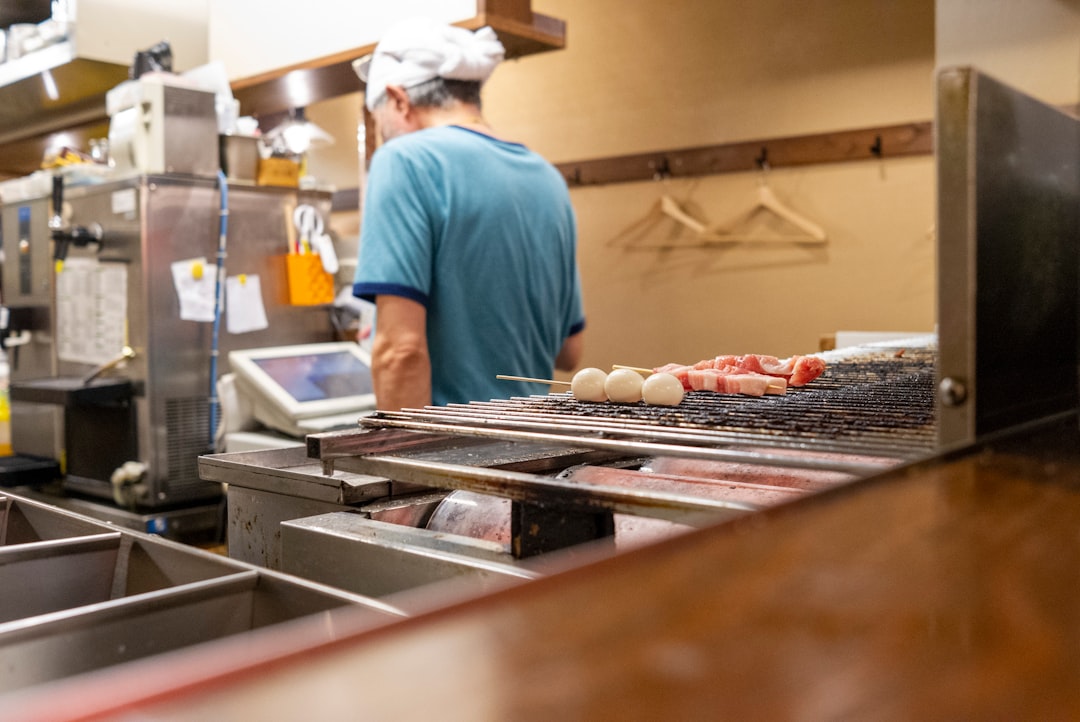

Photo by Julius Yls on Unsplash
Why Shibuya is a Yakitori Lover’s Paradise
Shibuya isn’t just famous for its scrambling crosswalk and neon-lit fashion streets—it’s also home to some of Tokyo’s most beloved yakitori restaurants. Tucked away in narrow alleyways, beneath train tracks, and hidden on upper floors of nondescript buildings, this district offers everything from Michelin-starred omakase counters to smoky standing bars where salarymen unwind after work. If you’re craving perfectly grilled skewers of chicken, charcoal-kissed vegetables, and an authentic taste of Japanese izakaya culture, Shibuya delivers in spades.
Yakitori, literally ‘grilled bird,’ is deceptively simple: bite-sized pieces of chicken threaded onto bamboo skewers and grilled over binchotan charcoal. But the artistry lies in the details—the quality of the bird, the precision of the cut, the timing of the grill, and the balance between salt (shio) and sweet soy tare sauce. Shibuya’s yakitori scene showcases this craft at every price point and atmosphere imaginable.
Top Yakitori Restaurants to Try in Shibuya
1. Torishiki
Widely regarded as one of the finest yakitori establishments in all of Tokyo, Torishiki has earned a devoted following for its meticulous approach to sourcing and grilling chicken. Every part of the bird is used here, from tender thigh meat to delicate cartilage, each prepared with surgical precision. The omakase-style course allows the chef to guide you through a progression of flavors, starting light and building toward richer, more intense skewers. Reservations are essential, as seating is limited and demand is high among both locals and food-obsessed travelers.
2. Toriyoshi
For a slightly more relaxed but equally delicious experience, Toriyoshi offers expertly grilled yakitori in a cozy, traditional setting. The restaurant emphasizes seasonal vegetables alongside its chicken skewers, and the tsukune (chicken meatballs) here are particularly memorable—juicy, well-seasoned, and often served with a raw egg yolk for dipping. The atmosphere is warm and inviting, making it a great choice for both solo diners and small groups.
3. Yakitori Hachibei
Hidden in one of Shibuya’s atmospheric back alleys, Yakitori Hachibei captures the nostalgic charm of old-school izakaya dining. Smoke fills the air, the counter seating puts you right in front of the grill master, and the menu features classic cuts alongside creative seasonal specials. This is the kind of place where you can order a few skewers, a cold beer, and simply soak in the authentic Tokyo evening atmosphere.
4. Shibuya Yokocho
While technically a food alley rather than a single restaurant, Shibuya Yokocho deserves mention for anyone wanting to sample multiple yakitori stalls in one visit. This lively lane is lined with small counters serving skewers alongside other Japanese comfort foods. It’s an excellent option for travelers who want variety, a lively social atmosphere, and the chance to hop between vendors without committing to a single spot.
5. Bird Land
Although technically bordering Ginza’s culinary philosophy, Bird Land-inspired establishments and similarly styled Michelin-recognized yakitori spots occasionally pop up near Shibuya, emphasizing premium jidori (free-range) chicken. If you find one during your visit, expect exceptional quality, refined technique, and a higher price point that reflects the premium ingredients used.
What to Order: A Yakitori Menu Primer
Navigating a yakitori menu can be intimidating for first-timers, especially since many items are named using specific Japanese terms for different chicken parts. Here’s a helpful breakdown of must-try skewers:
- Momo – Juicy thigh meat, a classic and universally loved choice
- Negima – Chicken thigh alternated with grilled leeks or scallions
- Tsukune – Minced chicken meatballs, often glazed with sweet tare sauce
- Kawa – Crispy grilled chicken skin, beloved for its texture
- Tebasaki – Chicken wings, typically salted and grilled until crisp
- Reba – Chicken liver, rich and iron-forward in flavor
- Bonjiri – Chicken tail, prized for its fatty, tender texture
- Hatsu – Chicken heart, chewy with a distinct savory taste
For those hesitant about adventurous cuts, sticking with momo, negima, and tsukune offers a safe yet satisfying introduction. More daring eaters should try kawa, reba, or bonjiri to experience the full range of what yakitori chefs can do with the entire bird.
Shio or Tare: Choosing Your Sauce
Most yakitori restaurants let you choose between two seasoning styles: shio (salt) or tare (a sweet-savory soy-based glaze). Shio allows the natural flavor of quality chicken to shine, often enhanced simply with salt, pepper, and sometimes a squeeze of citrus. Tare, on the other hand, adds caramelized sweetness and umami depth, making it a popular choice for cuts like tsukune and negima. There’s no wrong answer here—many diners alternate between the two throughout their meal to enjoy the contrast.
Tips for Enjoying Yakitori in Shibuya
- Make reservations when possible – Popular spots like Torishiki fill up quickly, especially during evening hours and weekends.
- Arrive early for standing bars – Casual, no-reservation yakitori bars often have limited seating, so arriving right at opening time increases your chances of a spot.
- Order in small batches – Rather than ordering everything at once, request a few skewers at a time so each batch arrives hot off the grill.
- Pair with drinks – A cold draft beer, highball, or chilled sake complements the smoky, savory flavors beautifully.
- Don’t skip the vegetables – Many yakitori joints grill seasonal vegetables like shishito peppers, asparagus, or shiitake mushrooms, offering a refreshing contrast to the meat-heavy menu.
Best Time to Visit Shibuya’s Yakitori Spots
Yakitori restaurants in Shibuya typically come alive in the early evening, from around 5:30 or 6:00 PM onward, as the after-work crowd begins to filter in. For a quieter, more relaxed experience, aim to arrive right when doors open. If you prefer the buzzing, communal energy of a packed izakaya, later evening hours—particularly on Thursdays and Fridays—offer the liveliest atmosphere. Standing bars and yokocho-style alleys tend to stay busy well into the night, often past midnight, making them ideal for a post-dinner nightcap or late-night snack.
Final Thoughts
Shibuya’s yakitori scene perfectly encapsulates what makes Tokyo’s food culture so special: an unwavering dedication to craft, whether at a refined counter restaurant or a smoky alleyway stall. Whether you’re seeking a splurge-worthy omakase experience or a casual evening of beer and skewers with friends, this vibrant district has something to satisfy every yakitori craving. Come hungry, bring your appetite for adventure, and let Shibuya’s grill masters show you why this humble grilled chicken dish has captured hearts worldwide.