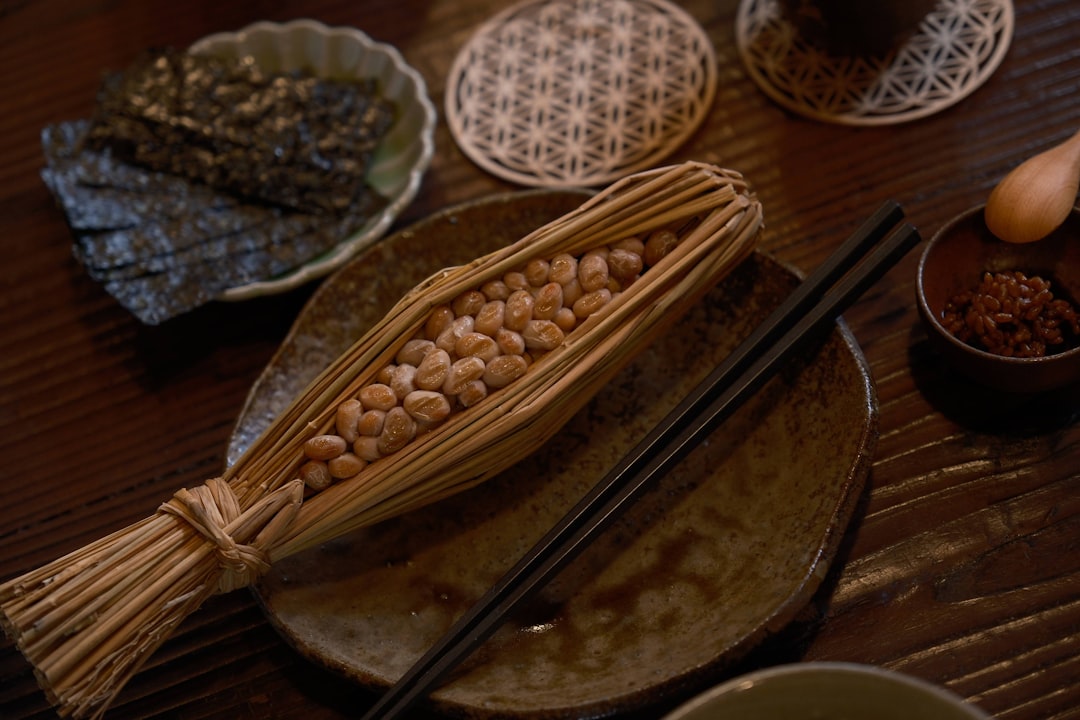

Photo by Seiya Maeda on Unsplash
What Is Natto? Japan’s Most Polarizing Superfood
Natto is a traditional Japanese food made from soybeans fermented with Bacillus subtilis, a beneficial bacteria that transforms ordinary soybeans into a sticky, stringy, pungent breakfast staple. Walk into any Japanese supermarket and you’ll find rows of small styrofoam containers filled with this beige, glistening food that has fueled Japanese mornings for over a thousand years. For newcomers, natto’s appearance and aroma can be intimidating, but for millions of Japanese people, it’s simply comfort food, similar to how yogurt or oatmeal might feel to someone raised in the West.
This guide will walk you through everything you need to know about incorporating natto into your breakfast routine, from its impressive health benefits to the proper technique for eating it and creative variations that make it more approachable for first-timers.
The History Behind This Sticky Staple
Natto’s origins are debated, but most food historians agree it emerged over 1,000 years ago, possibly by accident when boiled soybeans were wrapped in rice straw (which naturally carries Bacillus subtilis bacteria) during transport or storage. The bacteria fermented the beans, creating the sticky, stringy texture and distinctive smell we know today. Historically most popular in eastern Japan, particularly the Kanto and Tohoku regions, natto has since become available nationwide, though preference for it still varies significantly by region, with some western areas like Kansai showing less enthusiasm for it.
Why Japanese People Eat Natto for Breakfast
Natto holds a special place in the traditional Japanese breakfast table, known as ‘washoku,’ alongside steamed rice, miso soup, grilled fish, and pickles. Its appeal goes beyond taste and tradition, it’s considered a nutritional powerhouse that provides sustained energy and numerous health benefits to start the day right.
Impressive Health Benefits
- Rich in Vitamin K2: Natto is one of the world’s richest natural sources of vitamin K2, which plays a crucial role in bone health and cardiovascular function.
- Nattokinase Enzyme: This unique enzyme produced during fermentation is believed to support healthy blood circulation and cardiovascular wellness.
- Probiotic Powerhouse: As a fermented food, natto delivers beneficial bacteria that support gut health and digestion.
- High-Quality Plant Protein: A single serving provides substantial protein, making it an excellent option for vegetarians and vegans.
- Fiber and Nutrients: Natto is packed with dietary fiber, iron, magnesium, and folate.
How to Eat Natto: The Traditional Method
Eating natto properly is almost a ritual in itself. Here’s the classic step-by-step approach followed in Japanese households:
- Step 1: Open the container carefully. Natto typically comes in small plastic containers with a packet of sauce (tare) and often a small packet of Japanese mustard (karashi) tucked underneath the lid.
- Step 2: Stir vigorously. Using chopsticks, stir the natto beans thoroughly for 20 to 50 strokes. This isn’t just tradition, stirring develops the sticky, stringy texture that many natto lovers actually enjoy, and it helps distribute the fermentation flavors evenly.
- Step 3: Add the sauce and mustard. Pour in the soy-sauce-based tare and a small amount of karashi mustard, then mix again until well combined.
- Step 4: Serve over warm rice. The most classic way to enjoy natto is spooned generously over a bowl of freshly steamed white rice, allowing the sticky beans to coat each grain.
- Step 5: Enjoy alongside other breakfast items. Pair with miso soup, grilled salmon, tamagoyaki (Japanese rolled omelet), and pickled vegetables for a complete traditional breakfast experience.
Tips for First-Timers: Making Natto More Approachable
If the smell or texture of natto feels overwhelming at first, you’re not alone, even some Japanese people need time to develop a taste for it. Here are some beginner-friendly tips:
- Start small: Try a small spoonful mixed thoroughly with rice rather than eating it plain.
- Add extra flavor: Chopped green onions, a raw egg yolk (creating the popular ‘tamago kake gohan’ style dish), grated daikon radish, or a few drops of sesame oil can soften the intensity and add complementary flavors.
- Try different brands: Natto varies significantly by brand and bean size. Smaller beans (hikiwari natto) tend to have a milder texture and are often easier for beginners.
- Chill it well: Cold natto often has a less pungent aroma than room-temperature natto.
- Pair with strong flavors: Kimchi, cheese, or spicy condiments can help mask the initial adjustment period while you develop your palate.
Creative Natto Breakfast Variations to Try
Once you’ve mastered the basics, experiment with these popular Japanese variations:
- Natto Toast: Spread natto mixed with a little mayonnaise and cheese on toast, then broil until bubbly, a popular fusion breakfast in modern Japanese households.
- Natto Onigiri: Mix natto with soy sauce and wrap it inside a rice ball with nori seaweed for a portable breakfast option.
- Natto Soup: Some regions incorporate natto into miso soup for extra nutrition and umami depth.
- Natto with Kimchi: This Korean-Japanese fusion combination has become increasingly popular for its complementary fermented flavors.
- Natto Pasta: A modern twist where natto is tossed with pasta, butter, soy sauce, and nori strips for a Japanese-Italian fusion dish.
Where to Buy and How to Store Natto
In Japan, natto is sold in virtually every convenience store and supermarket, typically in packs of three small containers. Outside Japan, it can often be found in Asian grocery stores or specialty markets, and increasingly through online retailers. When storing natto, keep it refrigerated and consume it before the expiration date, as the fermentation process continues even in the fridge, intensifying the flavor and aroma over time. Natto can also be frozen for longer storage without significant loss of quality.
Common Misconceptions About Natto
Many visitors to Japan assume natto is an acquired taste reserved only for the adventurous, but plenty of Japanese people also have mixed feelings about it, it’s genuinely a food that divides opinion even among locals. Don’t feel pressured to love it immediately. Additionally, some believe natto must be eaten plain, but in reality, Japanese cuisine embraces countless creative preparations that make it accessible to a wide range of palates.
Final Thoughts: Give Natto a Fair Try
Natto represents centuries of Japanese culinary tradition packed into a small, unassuming container. Whether you find yourself instantly enamored or need a few attempts to appreciate its unique qualities, understanding how to properly prepare and enjoy natto opens up a deeper appreciation for authentic Japanese breakfast culture. Approach it with curiosity rather than hesitation, experiment with the variations suggested above, and you might just discover your new favorite way to start the day, the Japanese way.