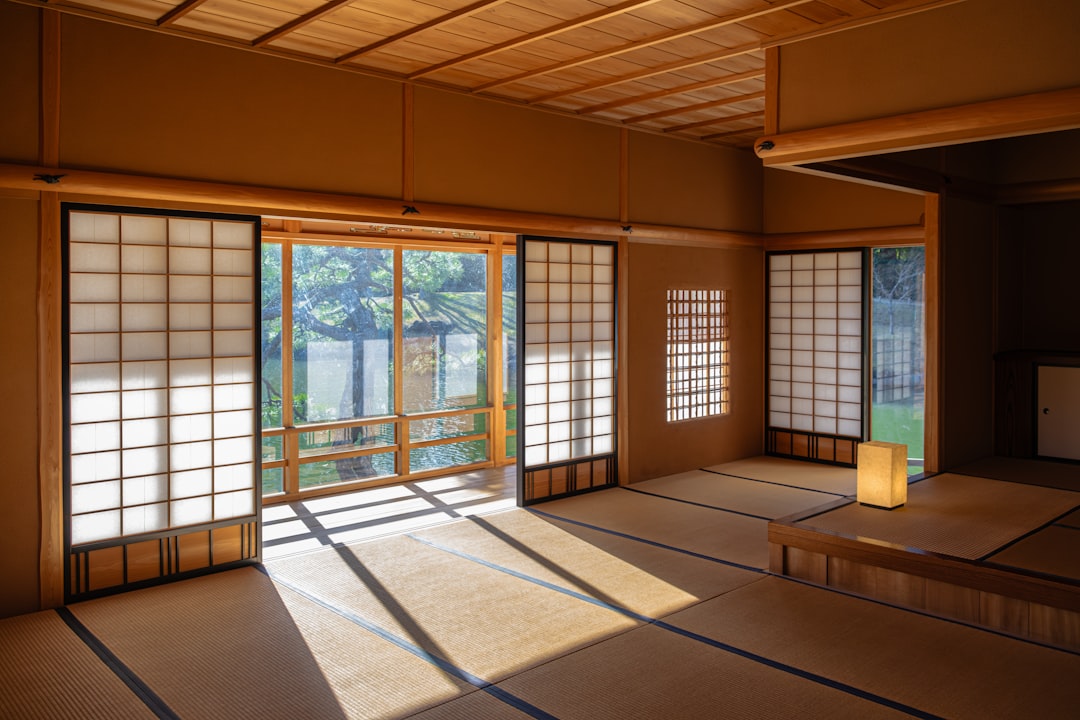

Photo by Viviana Nysaether on Unsplash
Discovering Japan’s Affordable Ryokan Culture
Few travel experiences rival the magic of sleeping on a futon in a tatami room, slipping into a yukata robe, and soaking in a steaming onsen while mountain mist curls overhead. For many visitors, a ryokan stay represents the soul of authentic Japanese hospitality — but the word “ryokan” often conjures images of eye-watering price tags. The good news? Budget ryokan experiences are not only real, they’re surprisingly accessible throughout Japan, offering much of the same cultural richness at a fraction of the cost.
Whether you’re a backpacker stretching every yen or a traveler who simply wants more nights in Japan for less money, this guide will show you exactly how to find, book, and fully enjoy an affordable ryokan stay without sacrificing the essence of what makes these traditional inns so unforgettable.
What Exactly Is a Ryokan?
A ryokan (旅館) is a traditional Japanese inn that has been welcoming guests for centuries. Unlike Western hotels, ryokan are defined by a set of distinctive features: tatami mat flooring, futon bedding laid out by staff each evening, communal or private baths (often fed by natural hot spring water), and the concept of omotenashi — a deep, selfless form of hospitality that anticipates every guest need before it is expressed.
Many ryokan also include elaborate multi-course kaiseki meals served in your room or a dedicated dining hall. These meals, however, are often the primary reason prices soar. Budget ryokan typically scale back on in-room dining while preserving the architectural beauty, tatami rooms, and communal bath experience that define the ryokan spirit.
How Much Does a Budget Ryokan Actually Cost?
Budget ryokan in Japan generally fall in the range of ¥4,000 to ¥9,000 per person per night, though prices vary significantly by region, season, and inclusions. Mid-range ryokan typically start around ¥10,000 to ¥20,000 per person, while luxury establishments can exceed ¥50,000 per person. By choosing wisely, you can enjoy an authentic tatami room and shared onsen bath for less than you’d pay for a generic business hotel room.
Some budget ryokan offer room-only rates, while others bundle a simple breakfast — often miso soup, steamed rice, grilled fish, and pickled vegetables — into the price. Even this modest morning meal is a cultural experience in itself and well worth seeking out.
Where to Find Budget Ryokan in Japan
Rural Onsen Towns
Some of Japan’s most affordable ryokan are tucked inside lesser-known onsen (hot spring) towns. While famous destinations like Hakone or Kinosaki can be expensive, equally charming alternatives exist throughout the country. Consider exploring towns such as Nyuto Onsen in Akita, Yunomine Onsen in Wakayama, Osawa Onsen in Iwate, or the hot spring villages of the Yamagata and Nagano prefectures. These off-the-beaten-path locations often offer deeply traditional ryokan stays at dramatically lower prices, partly because they see fewer international tourists.
City Ryokan
Urban centers like Kyoto, Tokyo, and Osaka have a growing number of budget-friendly ryokan catering to modern travelers. These properties may be smaller and more simply furnished than their rural counterparts, but they offer the tatami room experience with easy access to sightseeing, transport, and dining. Neighborhoods like Kyoto’s Fushimi district or Tokyo’s Asakusa area are particularly good hunting grounds for affordable traditional accommodation.
Minshuku: The Ryokan’s Humble Cousin
If you want to stretch your budget even further, consider a minshuku — a Japanese family-run bed and breakfast that shares many features with a ryokan. Minshuku typically offer tatami rooms, communal baths, and home-cooked meals at even lower price points, often ranging from ¥3,000 to ¥6,000 per person. The atmosphere is warmer and more personal, almost like staying with a Japanese family, and the cultural immersion is profound.
Tips for Booking a Budget Ryokan
Use the Right Booking Platforms
Japanese travel platforms such as Jalan and Rakuten Travel often list ryokan options that don’t appear on international booking sites, and they regularly run promotions and discount coupons. International platforms like Booking.com, Agoda, and Expedia also carry ryokan listings. Always compare prices across multiple platforms before booking, and look for last-minute deals if your schedule is flexible.
Travel During the Off-Season
Ryokan prices surge during Japan’s peak travel seasons: cherry blossom season in spring, Golden Week in late April and early May, the Obon holiday period in mid-August, and autumn foliage season. Traveling in January, February, June (rainy season), or November before peak foliage can significantly reduce accommodation costs while still offering a rich cultural experience.
Choose Weekdays Over Weekends
Many ryokan charge higher rates on Friday and Saturday nights due to domestic tourism patterns. Booking a mid-week stay — especially Sunday through Thursday — can save you a meaningful amount per night, sometimes as much as 20 to 30 percent.
Opt for Room-Only or Breakfast-Only Rates
Traditional ryokan rates often include both dinner and breakfast, which inflates the per-person cost considerably. If you’re on a tight budget, look for ryokan that offer room-only or breakfast-only plans. You’ll miss the formal kaiseki dinner, but you’ll gain the freedom to explore local restaurants at far lower prices — and eating at a small izakaya or ramen shop is its own cultural adventure.
What to Expect During a Budget Ryokan Stay
Arrival and Check-In
At most ryokan, you’ll be welcomed with a cup of green tea and a small sweet upon arrival. Even budget establishments tend to honor this gracious greeting. You’ll likely be shown to your tatami room and given a brief orientation covering bath schedules, meal times if applicable, and house rules such as removing shoes at the entrance.
Your Tatami Room
Budget ryokan rooms may be smaller or more simply decorated than luxury versions, but they will almost always include the essentials: tatami flooring, a low table, floor cushions, a yukata robe for you to wear during your stay, and a futon that staff will prepare for you in the evening. Waking up on a futon in a tatami room, with morning light filtering through shoji screens, is a uniquely peaceful experience that no hotel room can replicate.
The Communal Bath
For many guests, the communal bath is the true heart of the ryokan experience. Budget ryokan may not have private in-room baths, but their shared facilities — often fed by genuine onsen water — are frequently beautiful and well-maintained. Baths are typically separated by gender and operate on a schedule. Follow onsen etiquette: wash thoroughly at the shower stations before entering the bath, keep your towel out of the water, and speak quietly to preserve the meditative atmosphere.
Meals at Budget Ryokan
If your ryokan includes breakfast, expect a traditional Japanese spread rather than a Western buffet. Miso soup, rice, grilled fish, tamagoyaki (rolled omelet), tofu, and pickled vegetables are common components. This simple meal, eaten in a tatami room or communal dining area, connects you to centuries of Japanese morning ritual and is genuinely nourishing before a day of sightseeing.
Ryokan Etiquette: A Quick Guide
- Remove your shoes at the entrance and wear the provided slippers inside. Switch to bathroom slippers in the toilet area and always change back before stepping onto tatami.
- Wear your yukata throughout the property, including to dinner and to the bath. It’s perfectly acceptable, even encouraged.
- Be mindful of noise — ryokan are places of rest and reflection. Keep voices low, especially in corridors and near the baths.
- Follow bath rules carefully — no tattoos policies are common, though attitudes are gradually shifting. Check with individual properties before booking if this applies to you.
- Tip-free culture — tipping is not customary in Japan. Exceptional service is expressed through gratitude, not gratuity.
- Check in and out on time — staff schedules meal service and futon preparation around guest arrivals and departures. Punctuality is respectful.
Top Regions for Budget Ryokan Experiences
Tohoku Region
Japan’s Tohoku region — encompassing Aomori, Iwate, Miyagi, Akita, Yamagata, and Fukushima prefectures — is home to some of the country’s most atmospheric and affordable onsen towns. Fewer international visitors mean lower prices and a more genuinely local experience. Ginzan Onsen in Yamagata, with its Taisho-era wooden buildings reflected in a mountain river, is one of Japan’s most beautiful hot spring villages and surprisingly accessible on a budget.
Shikoku Island
Shikoku, the smallest of Japan’s four main islands, sees far less tourist traffic than Honshu and offers wonderful value for ryokan stays. The island’s 88-temple pilgrimage route passes through numerous small towns with traditional inns catering to pilgrims and budget travelers alike. The Iya Valley in Tokushima Prefecture is particularly dramatic and uncrowded.
Kyushu
Kyushu’s volcanic landscape has blessed it with an extraordinary density of hot springs. Beppu and Yufuin in Oita Prefecture are well-known, but smaller surrounding towns offer equally good onsen at lower prices. Kurokawa Onsen in Kumamoto is beloved for its rustic, village-like atmosphere and has several ryokan in the budget-to-mid range.
Making the Most of Your Budget Ryokan Stay
Arrive at your ryokan ready to slow down. The budget ryokan experience rewards travelers who embrace the pace and philosophy of the place rather than treating it as merely a sleeping arrangement. Spend extra time in the bath, sit quietly at your low table with a cup of tea, and watch the light change through your shoji screen. Ask the innkeeper for local recommendations — these proprietors are often fountains of knowledge about nearby restaurants, walking paths, and hidden sights that no guidebook covers.
Even without the gilded kaiseki meals and private garden views of a luxury ryokan, a well-chosen budget stay delivers something priceless: a genuine encounter with Japanese culture, hospitality, and the ancient rhythm of a way of life that has endured for generations. That experience, it turns out, costs far less than most travelers imagine.
Final Thoughts
A budget ryokan stay is one of the smartest investments a Japan traveler can make. For a relatively modest outlay, you gain cultural depth, architectural beauty, the restorative power of a hot spring bath, and a story worth telling long after you return home. With careful planning, flexible travel dates, and the right booking strategy, an authentic ryokan experience is within reach for almost any budget. Start searching, and let Japan’s tradition of timeless hospitality welcome you in.