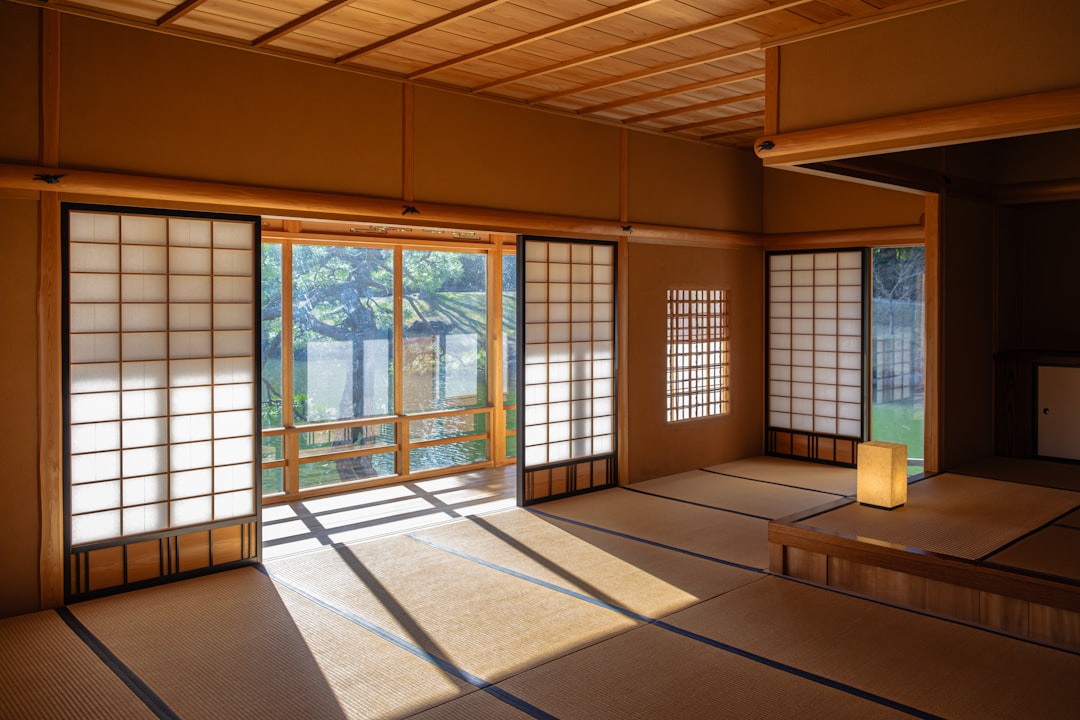

Photo by Viviana Nysaether on Unsplash
Discover the Magic of Affordable Ryokan Stays in Japan
Staying in a ryokan — a traditional Japanese inn — is one of the most culturally immersive experiences you can have in Japan. The tatami-matted rooms, the yukata robes, the communal onsen baths, and the meticulously prepared kaiseki meals paint a picture of Japan that no modern hotel can replicate. But many travelers assume that ryokan experiences are exclusively reserved for big budgets. The good news? Budget ryokan options exist across Japan, and with a little planning, you can soak in centuries of Japanese hospitality without emptying your wallet.
This guide is your comprehensive roadmap to finding, booking, and fully enjoying affordable ryokan stays throughout Japan — from the misty mountains of Nagano to the ancient streets of Kyoto.
What Exactly Is a Ryokan?
A ryokan is a traditional Japanese guesthouse that has been a cornerstone of Japanese travel culture for centuries. Unlike Western hotels, ryokan center the guest experience around Japanese customs: guests sleep on futon mattresses laid directly on tatami floors, wear provided yukata (light cotton robes), and are often served multi-course traditional meals in their room or a communal dining area.
Most ryokan also feature onsen (natural hot spring baths) or sento (heated public baths), shared between guests or sometimes available as private en-suite baths. The staff, known for their omotenashi (wholehearted hospitality), anticipate your every need with quiet efficiency. Even at budget-friendly ryokan, you can expect this warmth and attentiveness — it’s simply part of the culture.
How Much Does a Budget Ryokan Cost?
Ryokan pricing in Japan varies enormously. Luxury establishments in resort towns like Hakone or Kinosaki Onsen can charge several hundred dollars per person per night, with elaborate meals and private onsen included. However, budget ryokan — often called minshuku (family-run guesthouses) or economy ryokan — can cost as little as ¥4,000 to ¥8,000 per person per night for a room-only or breakfast-included option.
Mid-range budget ryokan, offering a room plus two meals (breakfast and dinner, known as ippaku nishoku), typically run between ¥8,000 and ¥15,000 per person. When you consider that this price includes your accommodation, two full traditional meals, and access to onsen facilities, it represents remarkable value compared to booking a plain business hotel and eating out separately.
Types of Budget-Friendly Traditional Accommodations
Minshuku
Minshuku are the most affordable type of traditional Japanese accommodation. Think of them as Japanese bed-and-breakfasts, typically run by a family in their own home. Rooms are simple, meals are home-cooked rather than kaiseki-elaborate, and the atmosphere is intimate and personal. Minshuku are especially common in rural areas, national parks, and ski resorts.
Economy Ryokan
Economy ryokan offer the classic ryokan experience — tatami rooms, yukata, shared baths — at accessible prices. They may have fewer amenities than upscale counterparts, but the essential cultural experience remains fully intact. Many economy ryokan in cities like Kyoto, Osaka, and Tokyo serve as excellent bases for sightseeing.
Tokanso and Pension
In mountain areas and ski destinations, you’ll find pension — Western-style guesthouses that blend some ryokan elements with a more casual atmosphere. These are particularly popular in Nagano and Hokkaido and often offer excellent value with hearty meals included.
Where to Find the Best Budget Ryokan in Japan
Kyoto
Kyoto’s historic neighborhoods like Higashiyama, Fushimi, and Arashiyama are dotted with economy ryokan. Staying in a budget ryokan here lets you wake up to temple bells, walk to UNESCO World Heritage sites in your yukata, and experience the city the way travelers have for centuries. Look for smaller, family-operated inns tucked into residential alleyways for the most authentic (and affordable) experiences.
Hakone
While Hakone is famous for its luxury ryokan, budget options do exist — particularly in areas slightly removed from the main tourist corridors. Some economy ryokan in Hakone still offer access to natural onsen water, which is a rare privilege. Staying here puts you within reach of Mount Fuji views and the Open Air Museum.
Nikko
The mountain town of Nikko, home to the opulent Toshogu Shrine, has several affordable ryokan and minshuku. The cooler mountain climate, stunning autumn foliage, and UNESCO-listed temples make this an ideal destination to pair with a budget ryokan stay.
Kinosaki Onsen
This charming onsen town in Hyogo Prefecture is famous for its seven public bath houses. Many ryokan here are moderately priced and include a yukata, wooden geta sandals, and a pass to all seven public baths. Walking the willow-lined streets in yukata from bath to bath is an experience that costs relatively little but stays with you forever.
Rural Tohoku and Shikoku
Off-the-beaten-path regions like Tohoku and Shikoku offer some of Japan’s most affordable ryokan. With fewer foreign tourists, prices remain accessible, and you’re far more likely to have authentic, unhurried interactions with local families running the inns.
Tips for Booking a Budget Ryokan
- Book directly when possible: Many family-run ryokan offer lower rates when you contact them directly by email or phone, bypassing booking platform commissions.
- Choose room-only or breakfast-only plans: Opting out of dinner can significantly reduce your per-night cost, especially if you prefer to explore local restaurants.
- Travel on weekdays: Ryokan rates on weekends and Japanese public holidays spike considerably. Midweek stays are almost always cheaper.
- Avoid peak seasons: Cherry blossom season (late March to early April) and autumn foliage season (mid-October to mid-November) are the most expensive periods. Shoulder seasons offer better rates and fewer crowds.
- Use Japanese booking platforms: Sites like Jalan and Rakuten Travel, which are Japanese-language booking platforms, often list exclusive deals not available on international sites. Google Translate can help you navigate them.
- Look for last-minute deals: Ryokan sometimes discount rooms available at short notice to avoid vacancies.
Ryokan Etiquette: Making the Most of Your Stay
Understanding and respecting ryokan etiquette will deepen your experience and endear you to your hosts. Here are the key customs to keep in mind:
- Remove your shoes at the entrance: Always change into the provided slippers at the genkan (entrance hall). Never wear outdoor shoes on tatami — and remove slippers before stepping onto tatami floors too.
- Wear your yukata correctly: The left side should always cross over the right (right over left is reserved for funerals). Staff will happily show you how to tie the obi (sash).
- Observe onsen rules: Wash thoroughly at the shower stations before entering the communal bath. Tattoos are prohibited at many onsen, so check policies in advance if relevant. Keep your small towel out of the water.
- Mealtimes matter: Ryokan meals are served at set times. Inform the staff of any dietary restrictions when booking, not on arrival.
- Keep noise levels low: Ryokan are places of rest and quiet enjoyment. Loud conversations in hallways and communal areas are frowned upon.
- Tip is not expected: Tipping is not part of Japanese culture. The price you pay covers everything, including the exceptional service.
What to Expect From a Budget Ryokan Room
Budget ryokan rooms are typically smaller and simpler than their luxury counterparts, but they retain the essential elements that make ryokan special. Expect a tatami-floored room with a low table and floor cushions, a tokonoma (decorative alcove) with a scroll or flower arrangement, and futon bedding stored in closets and laid out by staff in the evening.
Shared bathroom and toilet facilities are common at economy ryokan, though some offer en-suite options at a slightly higher rate. Communal onsen or sento are usually available for all guests, and this is often where the real magic of a ryokan stay happens — soaking in mineral-rich water in a beautifully designed bathhouse is an experience no price tag can truly capture.
Packing Smart for a Ryokan Stay
Your ryokan will provide yukata, towels, toiletries, and bedding, so you don’t need to bring much. However, consider packing:
- Earplugs, if you’re a light sleeper (tatami rooms transmit sound differently than carpeted hotel rooms)
- Moisturizer — onsen water, while wonderful, can be drying for some skin types
- A small bag for carrying your onsen towel to the bath
- Slip-on shoes for easy removal at the genkan
- Light layers, as many older ryokan buildings can be drafty in winter
Is a Budget Ryokan Right for You?
If you’re looking for cultural immersion, quietude, and a tangible connection to Japan’s living heritage, a budget ryokan is absolutely right for you — regardless of the size of your travel fund. You don’t need to spend a fortune to experience omotenashi, to fall asleep on a futon listening to rain on a garden, or to greet the morning with a bowl of miso soup and grilled fish.
Budget ryokan experiences remind us that the soul of Japanese hospitality isn’t found in marble lobbies or Michelin-starred menus — it’s woven into the quiet attention of a host, the warmth of a shared bath, and the simple beauty of a well-tended tatami room.
Final Thoughts
Japan’s ryokan tradition is one of the world’s great travel experiences, and it doesn’t have to come with a luxury price tag. By choosing minshuku, economy ryokan, or off-season stays in lesser-visited destinations, you can access centuries of Japanese inn culture for a fraction of what many travelers spend. Plan ahead, embrace the etiquette, and let the experience unfold at its own quiet pace — you’ll leave with memories that far outlast the modest cost of your stay.