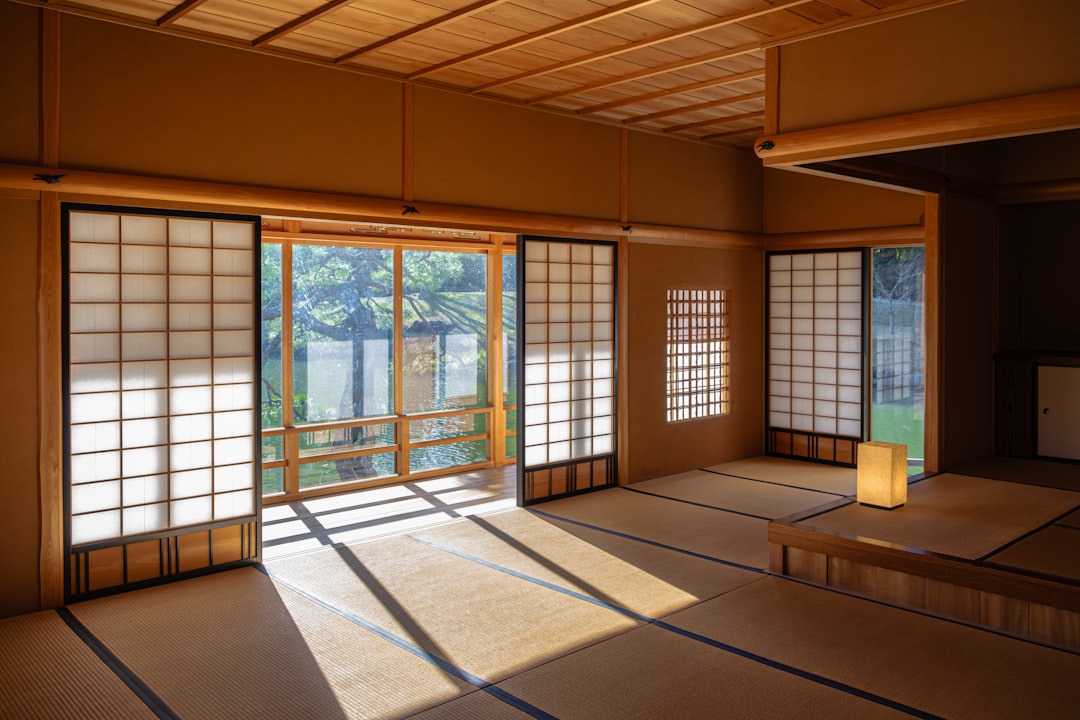

Photo by Viviana Nysaether on Unsplash
Discover the Magic of Budget Ryokan Stays in Japan
Staying in a ryokan — Japan’s iconic traditional inn — is one of the most culturally immersive experiences any traveler can have. The tatami floors, the sound of a sliding shoji screen, the smell of cedar from a wooden ofuro bath, and the elegant presentation of a multi-course kaiseki dinner all paint a picture of Japan that no hotel can replicate. But here’s the good news that many travelers don’t realize: you don’t need to spend a fortune to enjoy an authentic ryokan experience. Budget ryokan options exist across Japan, offering the essential cultural elements at a fraction of the cost of luxury establishments.
This guide will walk you through everything you need to know about finding, booking, and making the most of affordable ryokan stays — from what to expect at different price points to insider tips for squeezing maximum value from every yen.
What Is a Ryokan, and What Makes It Special?
A ryokan is a traditional Japanese inn that has existed in various forms for over a thousand years. Originally serving travelers on long journeys between Japan’s cities and temples, these inns evolved into a deeply ritualized hospitality experience centered around the concept of omotenashi — wholehearted, anticipatory service.
Key features of a traditional ryokan include:
- Tatami-mat rooms: Rooms floored with woven grass mats, furnished with low tables and futon bedding laid out each evening by staff.
- Yukata robes: Light cotton robes provided for guests to wear throughout the inn and sometimes in communal areas.
- Onsen or ofuro baths: Communal or private baths, often fed by natural hot spring water.
- Traditional meals: Many ryokan offer dinner and breakfast as part of the stay, featuring seasonal, locally sourced Japanese cuisine.
- Attentive hospitality: Staff who greet guests with tea and sweets, turn down futons, and anticipate needs before being asked.
At budget ryokan, you may not get all of these elements in full luxury form, but the core spirit of omotenashi and the cultural atmosphere remain very much intact.
Understanding Ryokan Pricing: What Does Budget Actually Mean?
Ryokan pricing in Japan varies enormously. High-end establishments — particularly those in famous onsen towns like Hakone, Kinosaki, or Beppu — can charge several hundred dollars per person per night, including meals. However, budget ryokan typically fall in a more accessible range, often starting from around 5,000 to 10,000 yen per person per night for a room-only or breakfast-included stay.
It’s important to note that ryokan prices are usually quoted per person rather than per room, which can cause sticker shock if you’re used to Western hotel pricing. When traveling as a couple or group, the per-person cost often becomes much more reasonable.
What You Can Expect at Different Budget Levels
- Economy ryokan (under 6,000 yen/person): Basic tatami rooms, shared bathroom facilities, access to communal baths, and no meals included. These are often called minshuku, which are family-run inns that operate on a similar concept to a bed-and-breakfast.
- Mid-range budget ryokan (6,000–12,000 yen/person): More polished tatami rooms, access to onsen baths, and often breakfast included. Some may offer a simple dinner option.
- Affordable full-experience ryokan (12,000–18,000 yen/person): Full dinner and breakfast included, better quality onsen facilities, and more attentive service. This is where you start getting a truly classic ryokan experience without paying luxury prices.
Top Destinations for Budget Ryokan Experiences
1. Nikko, Tochigi Prefecture
Just a couple of hours from Tokyo, Nikko is famous for its ornate shrines and mountain scenery. It’s also home to a range of affordable ryokan that offer onsen access and traditional meals. The town’s relative accessibility from the capital makes it a popular first ryokan destination for visitors based in Tokyo.
2. Kinosaki Onsen, Hyogo Prefecture
This charming hot spring town is famous for a unique custom: guests don their yukata robes and wooden geta sandals to stroll between seven public bathhouses using a single pass. Budget-conscious travelers can find smaller ryokan here that still provide the full Kinosaki experience, including the public bath hopping ritual.
3. Yufuin, Oita Prefecture
Located in Kyushu, Yufuin is a picturesque onsen resort town that has managed to maintain an artisan, village-like atmosphere. While some ryokan here are high-end, smaller guesthouses and minshuku offer wallet-friendly stays with access to private or shared hot spring baths.
4. Shibu Onsen, Nagano Prefecture
Near Jigokudani Monkey Park, Shibu Onsen is a beautifully preserved hot spring village with cobblestone lanes and traditional wooden buildings. The ryokan here are generally more moderately priced than those in Hakone, and guests receive a key to access nine different historic public bathhouses along the village streets.
5. Rural Guesthouses Across Japan
Don’t overlook smaller towns and rural areas. Prefectures like Akita, Shimane, and Yamaguchi have wonderful traditional inns that see far fewer foreign visitors, meaning prices stay lower and the experience feels more authentic and personal.
How to Find and Book a Budget Ryokan
Finding affordable ryokan has become significantly easier thanks to a combination of international booking platforms and Japanese-language sites now available in English.
- Jalan and Rakuten Travel: These Japanese booking platforms have English interfaces and list thousands of ryokan across Japan. They often have exclusive deals and loyalty point systems that reward repeat bookings.
- Booking.com and Agoda: Both list many ryokan and minshuku, and their review systems are helpful for gauging the quality of budget options.
- Direct booking: Calling or emailing a ryokan directly sometimes yields better rates, as they avoid paying platform commission fees. Many smaller ryokan appreciate the direct connection and may offer a small welcome gift or upgrade as a result.
- Tourist information centers: Japan’s local tourism offices (kanko annai-jo), often found near train stations, can recommend and sometimes book local ryokan on your behalf.
Tips for Getting the Best Value
- Travel on weekdays rather than weekends, as weekend rates at ryokan are typically higher.
- Avoid peak seasons like Golden Week (late April to early May), Obon (mid-August), and New Year’s, when prices surge and availability drops.
- Book room-only rates if meals are available separately — this gives you flexibility to explore local restaurants while still enjoying the tatami room experience.
- Look for ryokan that share communal baths rather than offering private in-room baths, as private baths significantly raise the price.
Ryokan Etiquette: Making the Most of Your Stay
To truly enjoy a ryokan experience — even at budget level — understanding the etiquette is essential. A little preparation goes a long way in ensuring both your comfort and respectful behavior as a guest.
- Remove your shoes at the entrance: Slippers will be provided. Switch to separate bathroom slippers when using the restroom, and never wear any slippers on tatami mat floors.
- Wear your yukata correctly: Left side over right (the reverse is used for funeral dressing). You can wear your yukata to meals and around the inn.
- Follow onsen rules: Wash your entire body thoroughly before entering the communal bath. Tattoos are prohibited at many traditional onsen facilities, though this policy is slowly evolving.
- Inform staff of meal timing: If your stay includes meals, you’ll typically be asked to choose a preferred dinner and breakfast time upon check-in.
- Respect quiet hours: Ryokan are places of rest and reflection. Keep noise low, especially in hallways and near communal spaces in the evening.
Minshuku: The Ultimate Budget Alternative to Ryokan
If you want the spirit of a ryokan at the lowest possible price point, consider a minshuku. These are family-run guesthouses that offer tatami rooms, home-cooked Japanese meals, and a warm, personal atmosphere. The formality level is lower than a traditional ryokan, but the cultural immersion is often even deeper because you’re essentially staying in someone’s home.
Minshuku are especially common in rural areas, near hiking trails, and along pilgrim routes like the Kumano Kodo or Shikoku 88-Temple Pilgrimage. They are an excellent choice for solo travelers or those who want genuine human connection during their stay.
What to Pack for a Ryokan Stay
Even budget ryokan provide yukata robes and towels, so you don’t need to overpack. However, a few items will enhance your comfort:
- A small toiletry bag — budget ryokan may have minimal amenities compared to luxury ones.
- Comfortable socks, since you’ll be walking on tatami and wood floors.
- Earplugs if you’re a light sleeper, as traditional buildings can carry sound easily.
- A modest swimsuit if the ryokan has mixed-gender baths (rare but possible at some facilities).
Final Thoughts: Why a Budget Ryokan Is Worth Every Yen
Choosing a budget ryokan doesn’t mean settling for a lesser experience of Japan — in many ways, it means embracing the country’s cultural heart more authentically. The simplicity of a tatami room, the meditative ritual of a communal bath, and the taste of a carefully prepared breakfast featuring grilled fish, pickled vegetables, and miso soup are experiences that no five-star Western hotel can replicate.
Japan’s traditional inn culture has endured for centuries precisely because it offers something money alone cannot manufacture: a genuine sense of place, care, and timeless beauty. Whether you’re paying 5,000 yen or 15,000 yen per night, the moment you slide open those shoji screens and look out over a rock garden or misty mountain landscape, you’ll understand exactly why travelers return to ryokan again and again.
Start small, embrace the customs, and let the ryokan experience unfold at its own gentle pace. Your most memorable nights in Japan may well be the ones spent sleeping on a futon, listening to the rain on a temple roof, with the warmth of an onsen still in your bones.