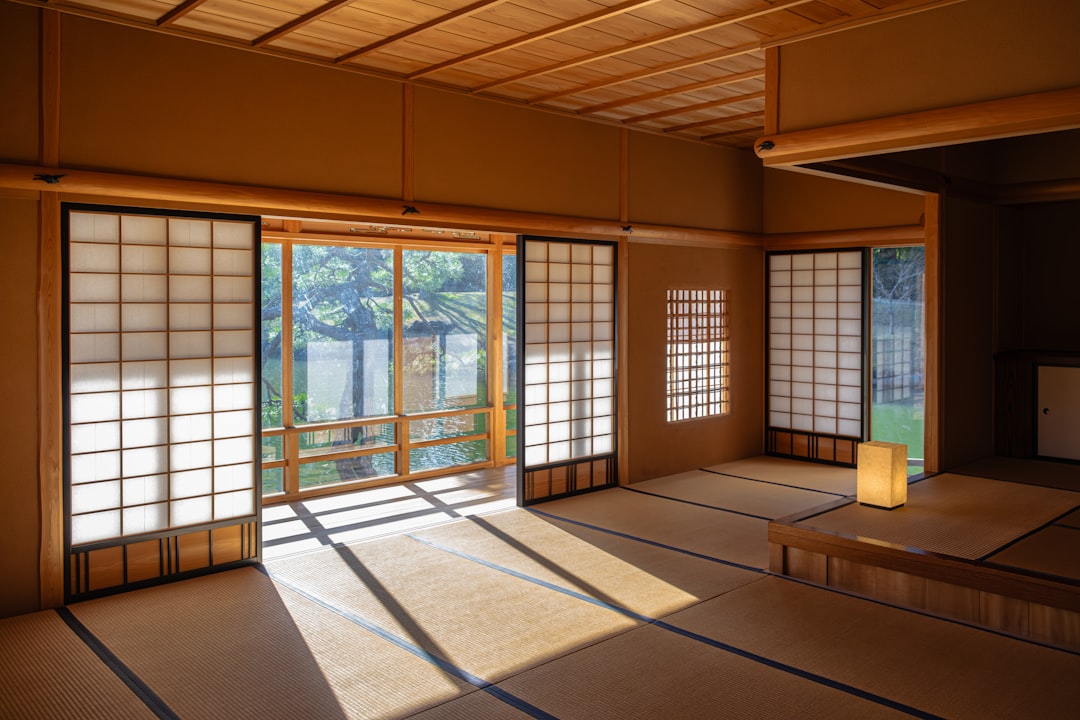

Photo by Viviana Nysaether on Unsplash
Discover the Magic of Budget Ryokan Stays in Japan
Few travel experiences rival the quiet elegance of sleeping on a futon in a tatami-floored room, soaking in a steaming communal bath, and waking to the aroma of a freshly prepared Japanese breakfast. Ryokans — Japan’s traditional inns — are often associated with luxury price tags and exclusive retreats tucked into mountain valleys. But here’s the secret that seasoned Japan travelers know well: budget ryokan experiences are not only possible, they can be some of the most memorable and authentic moments of any trip to Japan.
Whether you’re a first-time visitor hoping to dip your toes into Japanese hospitality culture or a seasoned Japan hand looking to stretch your yen further, this guide will walk you through everything you need to know about finding, choosing, and getting the most out of an affordable ryokan stay.
What Is a Ryokan? Understanding the Basics
A ryokan is a traditional Japanese inn that typically features tatami mat rooms, futon bedding laid out by staff, yukata (casual cotton kimono) for guests, communal or private baths, and multi-course kaiseki meals. Staying in one is considered an essential cultural experience in Japan, offering a window into the country’s deep traditions of hospitality, known as omotenashi.
High-end ryokans — particularly those in hot spring resort towns like Hakone, Kinosaki Onsen, or Yufuin — can cost several hundred dollars per person per night. These luxury properties include elaborate multi-course dinners, private outdoor baths, and meticulous room service. However, Japan also has hundreds of more modest ryokans that preserve the essential spirit of the experience at a fraction of the cost.
What to Expect From a Budget Ryokan
Managing your expectations is key to a satisfying budget ryokan experience. Here’s what you’ll typically get — and what may differ from pricier alternatives:
What You’ll Usually Get
- Tatami rooms: The classic Japanese floor setup with reed mats, low furniture, and a futon laid out each evening.
- Yukata: Most ryokans, even budget ones, provide guests with a yukata to wear around the property and sometimes in the town.
- Communal baths: Access to shared onsen (hot spring) or sento (regular baths) is common, often separated by gender.
- Breakfast: Many budget ryokans include a traditional Japanese breakfast — miso soup, rice, grilled fish, pickles, and egg — or offer it as an affordable add-on.
- Warm hospitality: The spirit of omotenashi doesn’t disappear at lower price points. Staff at budget ryokans are frequently just as attentive and welcoming.
What May Be Different
- Rooms may be smaller or more simply furnished.
- Dinner may not be included or may be simpler than a full kaiseki course.
- Private baths are less common.
- English-speaking staff may be limited, though translation apps bridge the gap easily.
- Decor may be more functional than ornate.
How Much Does a Budget Ryokan Cost?
Budget ryokans in Japan typically range from about 5,000 to 12,000 yen per person per night, depending on location, season, and whether meals are included. In major cities like Kyoto or Tokyo, you’ll find guesthouses and small inns at the lower end of this range. In smaller onsen towns, prices can be surprisingly affordable, especially for weeknight stays or visits during off-peak seasons.
Room-only rates are often cheaper, and you can always supplement your meals with nearby restaurants or convenience store finds. Japan’s convenience stores (konbini) are legendary for their food quality and make a surprisingly satisfying dinner companion to a traditional ryokan stay.
Best Locations to Find Affordable Ryokans in Japan
Kyoto
Kyoto is arguably the spiritual home of the ryokan experience. While top-tier machiya (townhouse) ryokans command premium prices, the city also has dozens of smaller, family-run guesthouses and budget inns in neighborhoods like Fushimi, Nishiki, and the eastern Higashiyama area. Staying slightly outside the main tourist corridors can save significantly without sacrificing charm.
Hakone
Known for its hot springs and views of Mount Fuji, Hakone has a broad range of ryokan accommodations. Budget-conscious travelers can find guesthouses and smaller inns in the area that still offer onsen access, making it one of the best places for an affordable traditional experience.
Kinosaki Onsen, Hyogo Prefecture
This charming hot spring town on the Japan Sea coast is one of the most ryokan-friendly destinations for budget travelers. The town’s famous system of seven public bathhouses means that even guests at modest ryokans can enjoy the full onsen town experience simply by strolling through the willow-lined streets in their yukata.
Nikko, Tochigi Prefecture
Within easy day-trip distance of Tokyo, Nikko offers traditional inns at competitive prices. The mountainous surroundings and UNESCO-listed shrines make it an excellent base for budget ryokan travelers.
Rural Onsen Towns
Some of the best-value ryokan experiences are found in lesser-known hot spring towns throughout Japan — places like Shibu Onsen in Nagano, Yugawara in Kanagawa, or Beppu in Oita. These destinations attract fewer international tourists, which often translates to lower prices and more authentic local atmospheres.
Tips for Booking a Budget Ryokan
Use Multiple Booking Platforms
Platforms like Jalan, Rakuten Travel, and Japanican are popular Japanese booking sites that frequently list properties unavailable on international platforms. Booking directly through the ryokan’s website can also yield discounts or special inclusions.
Travel Off-Peak
Prices spike during Golden Week (late April to early May), Obon (mid-August), and the New Year period. Traveling during shoulder seasons — late autumn, early spring, or winter (excluding the holiday weeks) — can dramatically reduce costs without sacrificing quality.
Choose Weeknight Stays
Ryokans in popular resort areas often charge premium rates on weekends. A Monday-to-Thursday stay at the same property can be noticeably cheaper.
Opt for Breakfast Only or No Meals
Choosing a room-only or breakfast-included plan rather than the full dinner-and-breakfast package (known as ippaku nishoku) is one of the easiest ways to cut costs. Japan’s towns and neighborhoods near ryokans almost always have excellent local restaurants where dinner can be a delightful adventure in itself.
Look for Long-Stay Discounts
Some smaller ryokans offer reduced nightly rates for multi-night bookings. If you plan to use a location as a base for exploration, this can be a great strategy.
Ryokan Etiquette: Do’s and Don’ts
Part of what makes a ryokan experience special is the set of customs and courtesies that shape the stay. Observing proper etiquette ensures a respectful and enjoyable experience for everyone.
- Remove your shoes at the entrance (genkan) and switch to the provided slippers.
- Never wear outdoor slippers into tatami rooms — remove them at the doorway.
- Rinse thoroughly before entering the communal bath. The onsen is for soaking, not washing.
- Tie your yukata left over right (right over left is reserved for funeral attire).
- Keep noise low in corridors and common areas, especially in the evening.
- Mealtimes are often fixed — communicate any dietary restrictions when booking and be punctual.
- Tipping is not customary in Japan. A sincere thank-you (arigatou gozaimasu) goes much further.
Making the Most of Your Budget Ryokan Stay
Even on a modest budget, a ryokan stay can feel deeply luxurious if you embrace the rhythm of the experience. Wake early and take advantage of the morning bath before other guests stir. Sit quietly by your room’s window with a cup of green tea and watch the garden or street outside come to life. Wear your yukata to breakfast and let yourself slow down.
If your ryokan is in an onsen town, make use of the public bathhouses for the full local experience. Many small towns sell an outer bath ticket (sotoyu tegata) that grants access to multiple public baths for a flat fee — tremendous value for onsen lovers.
Don’t overlook the conversations with innkeepers. Many ryokan owners and staff are passionate about their region and can point you to hidden local restaurants, less-visited shrines, and seasonal events that no guidebook mentions.
Budget Ryokans vs. Guesthouses and Hostels: What’s the Difference?
Japan also offers a wide range of guesthouses (often called minshuku) and traditional hostels that provide a similar atmosphere at even lower price points. Minshuku are family-run accommodations that share many ryokan characteristics — tatami rooms, communal meals, and home-style hospitality — but with less formality. If your budget is very tight, a minshuku can be an excellent alternative that still delivers an authentic Japanese lodging experience.
Final Thoughts: Why Budget Ryokan Experiences Are Worth Every Yen
Japan’s traditional inn culture is one of the country’s greatest gifts to the curious traveler. The good news is that this gift doesn’t require an unlimited budget. With careful planning, smart booking, and an open spirit of cultural curiosity, a budget ryokan stay can rival — and sometimes surpass — the experience of a far more expensive hotel room.
The tatami under your feet, the steam rising from the onsen, the careful placement of a single seasonal flower in your room’s alcove — these details cost nothing extra and mean everything. Japan’s hospitality tradition is rooted in care and attention, and budget ryokans carry that tradition with quiet pride. Book one on your next trip, slow down, and let Japan’s oldest form of welcome wash over you.