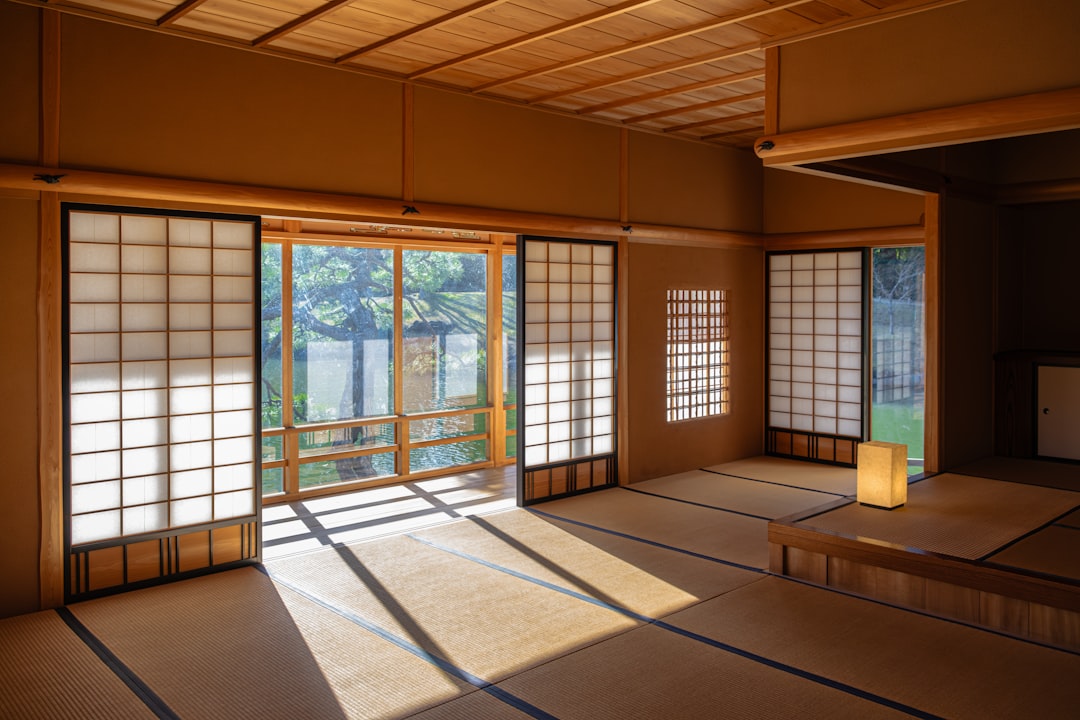

Photo by Viviana Nysaether on Unsplash
Discover the Magic of Budget Ryokan Stays in Japan
There is something undeniably special about sleeping on a futon laid across tatami mats, soaking in a communal onsen bath, and waking up to an elegantly presented Japanese breakfast — all within the walls of a traditional ryokan. For many travelers, this quintessential Japanese experience feels like a luxury reserved for those with deep pockets. The good news? Budget ryokan experiences are not only possible, they are plentiful across Japan, offering an authentic cultural immersion that no Western-style hotel can match.
Whether you are a solo backpacker exploring rural Japan, a couple seeking a romantic cultural getaway, or a family wanting to introduce children to Japanese traditions, affordable ryokan options exist at nearly every corner of the country. This guide will walk you through everything you need to know to enjoy a genuine ryokan experience on a modest budget.
What Is a Ryokan?
A ryokan (旅館) is a type of traditional Japanese inn that has existed for centuries. Rooted in the culture of hospitality known as omotenashi, ryokan prioritize making guests feel welcomed, comfortable, and nurtured. Key features of a traditional ryokan include:
- Tatami rooms: Rooms with woven straw mat flooring where futon bedding is laid out at night by staff.
- Yukata robes: Light cotton kimono-style robes provided for guests to wear around the property and sometimes the surrounding town.
- Onsen or sento: Private or communal hot spring baths, a centerpiece of the ryokan experience.
- Kaiseki meals: Multi-course Japanese cuisine served in your room or a communal dining area, though not all budget options include meals.
- Attentive service: Personalized hospitality from staff who attend to every detail of your stay.
Budget ryokan strip back some of the more elaborate elements — like in-room dining and elaborate kaiseki courses — but retain the soul of the experience: tatami rooms, yukata robes, and often access to shared baths.
How Much Does a Budget Ryokan Cost?
Ryokan prices vary enormously depending on location, season, and inclusions. High-end ryokan in popular destinations like Hakone or Kyoto can charge hundreds of dollars per person per night. However, budget ryokan can be found for as little as 3,000 to 6,000 yen per person per night (roughly $20 to $45 USD), especially in smaller towns and rural areas. Mid-range budget options that include breakfast and sometimes dinner typically fall between 7,000 and 12,000 yen per person.
Understanding the pricing structure is important. Ryokan rates are usually quoted per person, not per room, and often include one or two meals. When comparing prices, always check what is included to get an accurate sense of value.
Top Tips for Finding Affordable Ryokan in Japan
1. Look Beyond the Famous Hotspots
Ryokan in Kyoto, Hakone, and Nikko command premium prices due to their popularity. Venture off the beaten path to discover incredible budget options. Smaller onsen towns like Kinosaki Onsen in Hyogo Prefecture, Yufuin in Oita, Gero Onsen in Gifu, and Yugawara in Kanagawa offer authentic ryokan at a fraction of the cost. Rural areas in Tohoku, Shikoku, and the Japan Alps are particularly rich in affordable traditional inns.
2. Travel During Off-Peak Seasons
Cherry blossom season (late March to early May) and autumn foliage season (mid-October to late November) are peak travel times in Japan. Prices spike significantly during these windows. Traveling in winter (outside of the New Year holiday period), early summer before the rainy season, or in September can yield substantially lower rates while still providing a beautiful experience.
3. Choose Room-Only or Breakfast-Only Plans
Many ryokan offer plans with no meals, breakfast only, or half-board (breakfast and dinner). If you are on a tight budget, opting for a room-only stay and eating at local restaurants allows you to experience the tatami room and onsen without the premium meal costs. That said, if a meal plan is only marginally more expensive, it can offer exceptional value given the quality of Japanese ryokan cooking.
4. Use Japanese Booking Platforms
While international platforms like Booking.com and Agoda list many ryokan, Japanese-specific platforms often have better prices and more comprehensive listings. Jalan (jalan.net) and Rakuten Travel are two of the most popular Japanese booking sites and frequently offer exclusive member discounts. Some ryokan list lower rates exclusively on these Japanese platforms, so it is worth creating an account even as a foreign traveler.
5. Book Directly When Possible
Contacting a ryokan directly via email or phone can sometimes unlock lower rates, especially for extended stays. Smaller family-run establishments in particular may be willing to negotiate, especially during slower periods. Even if they do not lower the price, you may receive complimentary upgrades or extra amenities.
6. Consider Minshuku as an Alternative
If budget is your primary concern, consider staying at a minshuku — a Japanese-style bed and breakfast run by a family. Minshuku offer a similar tatami room experience and often include home-cooked meals at prices even lower than budget ryokan. The experience is more intimate and personal, giving you genuine insight into everyday Japanese home life.
What to Expect at a Budget Ryokan
Check-In and Arrival Customs
Upon arriving at a ryokan, you will remove your shoes at the entrance (genkan) and slip into indoor sandals. You will be greeted by staff, shown to your room, and served a cup of green tea with a small seasonal sweet — a moment of calm that signals the transition into traditional Japanese hospitality. Even budget ryokan honor this welcoming ritual.
Your Tatami Room
Budget ryokan rooms are typically modest in size but immaculately clean. You will find tatami flooring, a low table, floor cushions, a scroll or painting on the wall, and a small alcove (tokonoma) decorated with seasonal flowers or artwork. Your yukata robe and towels will be provided. Futon bedding may be pre-laid or set out by staff in the evening while you dine or use the baths.
Shared Onsen Baths
Most budget ryokan feature shared communal baths rather than private in-room baths. These are typically separated by gender and have specific hours of operation. The ritual of bathing Japanese-style — scrubbing thoroughly before entering the communal tub — is part of the cultural experience. If the ryokan sits atop an actual hot spring, even a budget stay will give you access to mineral-rich, therapeutic onsen water. This alone is worth the price of admission.
Meals at Budget Ryokan
While budget ryokan may not serve an elaborate kaiseki multi-course meal, the food is typically home-style Japanese cooking of high quality. Breakfast often includes rice, miso soup, grilled fish, pickled vegetables, tamagoyaki (rolled omelette), and tofu — a nourishing and delicious start to the day. Dinner, when included, tends to feature local seasonal ingredients and regional specialties. Do not be surprised if the quality exceeds your expectations despite the modest price point.
Ryokan Etiquette: Do’s and Don’ts
Respecting ryokan customs ensures a pleasant stay for everyone and deepens your cultural experience:
- Do remove your shoes at the entrance and wear provided slippers inside.
- Do change into separate bathroom slippers when entering toilet areas, then change back.
- Do wear your yukata throughout the inn and, in many onsen towns, while walking outside.
- Do rinse thoroughly before entering the shared bath — the communal tub is for soaking, not washing.
- Don’t use your mobile phone or speak loudly in communal bath areas.
- Don’t bring food or drinks into the tatami room unless provided by the ryokan.
- Don’t wear outdoor shoes into any indoor area of the ryokan.
- Don’t tip staff — tipping is not customary in Japan and can cause embarrassment.
Best Regions for Budget Ryokan Experiences
Tohoku Region
The Tohoku region in northern Honshu is one of Japan’s best-kept secrets for budget ryokan. Towns like Nyuto Onsen in Akita, Ginzan Onsen in Yamagata, and Hanamaki Onsen in Iwate offer breathtaking rural scenery, hot springs, and traditional inns at prices well below those found in more touristed areas. Snow-covered winters here create a magical atmosphere.
Shikoku Island
Shikoku, famous for its 88-temple pilgrimage trail, has a tradition of welcoming travelers with affordable lodging. Ryokan and minshuku along the pilgrimage route offer simple, warm hospitality that connects you deeply to Japanese spiritual traditions.
The Japan Alps
Mountain villages like Shirakawa-go, Takayama, and the Kiso Valley are home to charming traditional inns that highlight rural Japanese architecture and culture. Prices are modest compared to urban centers, and the mountain settings are spectacular year-round.
Making the Most of Your Budget Ryokan Stay
To maximize enjoyment of your affordable ryokan experience, arrive early enough to use the baths before dinner, take your time with meals rather than rushing, and explore the surrounding town in your yukata if the local culture allows it. Wake up early to enjoy the baths again before breakfast — this peaceful morning ritual is one of the most memorable aspects of ryokan travel.
Engage with the innkeeper or staff when possible. Even with a language barrier, smiles and simple Japanese phrases go a long way. Many ryokan owners are passionate about sharing their local knowledge, from hidden temples to the best local ramen shops.
Final Thoughts: Traditional Japan Within Every Budget
A budget ryokan experience is not a compromise — it is an authentic window into Japan’s cultural heart. By choosing affordable inns in lesser-visited regions, traveling during off-peak times, and understanding what to look for and expect, you can enjoy the tatami rooms, communal baths, yukata robes, and warm omotenashi hospitality that define the ryokan experience without spending a fortune. Japan’s traditional inn culture has been welcoming travelers for centuries, and it will welcome you too — at whatever budget you bring to it.