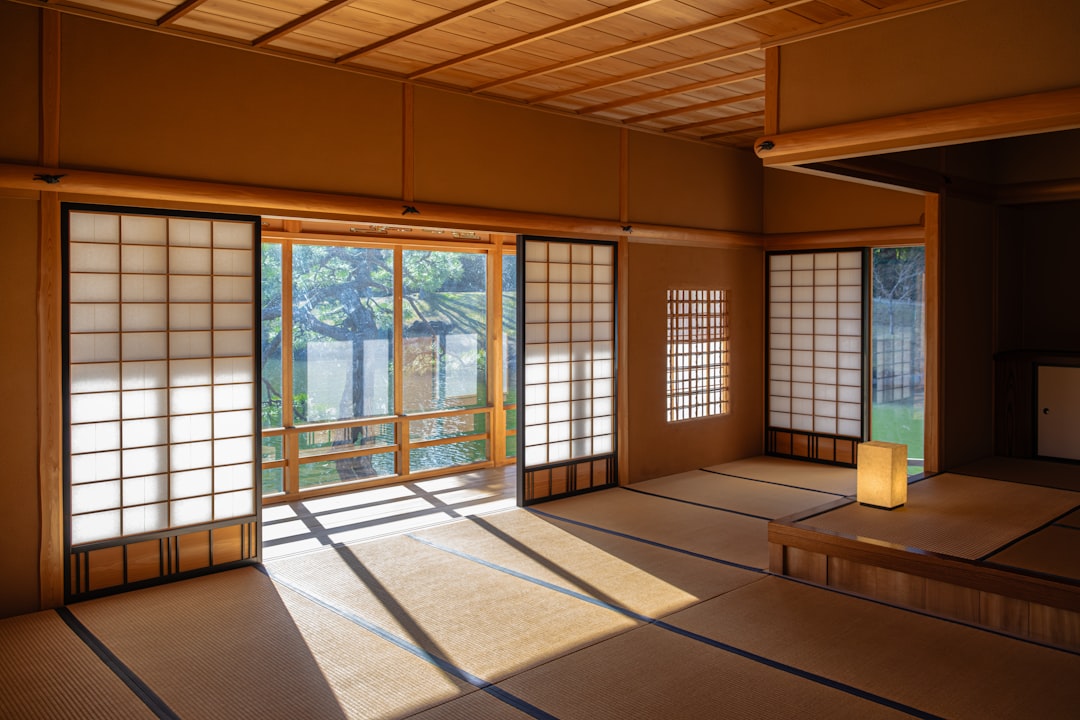

Photo by Viviana Nysaether on Unsplash
Discover Authentic Japan on a Budget: The Ryokan Experience
Few experiences in Japan are as deeply rooted in culture and tradition as staying in a ryokan. These traditional Japanese inns offer tatami-matted rooms, futon bedding, yukata robes, and an immersive atmosphere that no modern hotel can replicate. The common misconception is that ryokan stays are exclusively for luxury travelers with deep pockets — but this simply is not true. Budget ryokan experiences are not only possible, they are one of the most rewarding ways to connect with authentic Japanese culture without spending a fortune.
Whether you are backpacking through Japan, planning a family trip on a tight budget, or simply trying to stretch your yen as far as possible, this guide will walk you through everything you need to know about enjoying a genuine ryokan stay without compromising on the cultural experience.
What Exactly Is a Ryokan?
A ryokan (旅館) is a traditional Japanese inn that has been welcoming travelers for centuries. Originating during the Edo period, these establishments were designed as rest stops along major travel routes. Today, they range from humble countryside inns to lavish multi-course-dinner resorts.
Key features of a ryokan typically include:
- Tatami floors: Woven rush-grass mats that define the aesthetic and feel of traditional Japanese rooms.
- Futon bedding: Laid out on the tatami floor, offering a deeply authentic sleep experience.
- Yukata robes: Lightweight cotton kimono provided for guests to wear around the inn and sometimes in the surrounding area.
- Onsen or sento baths: Many ryokan offer communal or private hot spring baths.
- Kaiseki meals: Multi-course traditional Japanese cuisine, though not always included in budget options.
- Omotenashi hospitality: The uniquely Japanese spirit of wholehearted, anticipatory service.
Budget ryokan may not offer all of these amenities, but they still provide the core tatami-room experience that makes staying in one so memorable.
How Much Does a Budget Ryokan Cost?
Ryokan prices vary enormously depending on location, season, and what is included. Luxury ryokan can cost tens of thousands of yen per person per night, but budget-friendly options can be found for as little as 3,000 to 8,000 yen per person. These affordable options are most commonly found in smaller towns, rural areas, and older urban neighborhoods rather than major tourist hotspots like Kyoto’s Higashiyama district or Tokyo’s central wards.
Keep in mind that ryokan pricing is typically quoted per person, not per room, which can make solo travelers feel the cost more acutely. Traveling as a couple or small group can significantly reduce the per-person expense and make budget ryokan stays even more accessible.
Where to Find Budget Ryokan in Japan
1. Rural Towns and Countryside Destinations
Some of the most affordable and atmospheric ryokan are nestled in Japan’s rural heartland. Places like the Kiso Valley in Nagano Prefecture, the Iya Valley in Tokushima, and the small onsen towns of Tohoku offer incredible ryokan stays at a fraction of the price you would pay in famous tourist centers. Staying in these areas also rewards you with slower-paced travel, lush scenery, and genuine interaction with locals.
2. Small Onsen Towns
Japan has hundreds of small onsen (hot spring) towns where local ryokan cater primarily to Japanese domestic travelers. These establishments often offer room-only or room-with-breakfast options at very reasonable prices. Towns like Kinosaki Onsen in Hyogo, Gero Onsen in Gifu, and Yuda Onsen in Yamaguchi are excellent starting points for affordable onsen ryokan experiences.
3. Mid-Sized Cities
Cities like Kanazawa, Matsuyama, Takayama, and Nagasaki frequently have well-priced ryokan that sit comfortably between tourist infrastructure and local authenticity. These destinations are easier to reach than remote rural spots, making them ideal for first-time ryokan guests on a budget.
4. Temple Lodgings (Shukubo)
While not technically ryokan, shukubo — Buddhist temple lodgings — offer a similarly immersive traditional experience, often at very affordable prices. Staying at a shukubo on the pilgrimage routes of Koyasan or along the Shikoku 88 Temple Circuit includes simple vegetarian meals (shojin ryori) and a meditative atmosphere that is truly unforgettable.
Tips for Booking an Affordable Ryokan
Book Room-Only or Breakfast-Only Plans
One of the most effective ways to reduce ryokan costs is to opt for a room-only (素泊まり, sudomari) or breakfast-only plan rather than the full board option that includes both dinner and breakfast. This flexibility lets you explore local restaurants for dinner, which is often a highlight of visiting a new Japanese town, while still enjoying the tatami room and hot bath experience.
Travel During Off-Peak Seasons
Cherry blossom season (late March to early April) and autumn foliage season (mid-October to mid-November) are peak times when ryokan prices surge. Traveling during early summer (June, outside Golden Week), late autumn, or winter can unlock significantly lower room rates — sometimes 20 to 40 percent cheaper than peak-season prices.
Use Japanese Booking Platforms
Platforms like Jalan and Rakuten Travel often list ryokan that are not widely available on international booking sites. These platforms frequently offer exclusive deals, point-back systems, and last-minute discounts that can dramatically reduce the cost of your stay. Google Translate and browser auto-translation tools make navigating these sites manageable even without Japanese language skills.
Look for Weekday Deals
Like hotels worldwide, ryokan tend to be cheaper on weekdays than on weekends and public holidays. Planning your ryokan night for a Tuesday, Wednesday, or Thursday can yield noticeably better rates.
Embrace Shared Baths
Private onsen baths (貸切風呂, kashikiri buro) are a wonderful luxury but come at a price premium. Choosing a ryokan with shared communal baths (which are single-gender and perfectly comfortable for most travelers) is the standard ryokan experience and considerably more affordable.
What to Expect at a Budget Ryokan
Arriving at a budget ryokan is still a special experience. You will typically be greeted at the entrance (genkan), asked to remove your shoes, and shown to your tatami room. The room may be modest in size and decoration compared to a luxury inn, but it will almost certainly feel distinctly Japanese and charming in its simplicity.
Many budget ryokan still provide:
- Yukata robes and tabi socks for guest use
- Green tea and Japanese sweets upon arrival
- Access to communal hot spring or bath facilities
- Basic toiletries and towels
- A futon laid out by staff in the evening (or self-service in some cases)
Do not expect the same level of highly personalized service or elaborate room decorations as a high-end ryokan, but the warmth of Japanese hospitality — omotenashi — often shines through even at budget establishments.
Ryokan Etiquette: Essential Rules for First-Time Guests
Observing proper ryokan etiquette ensures a smooth and respectful stay for you and other guests.
- Remove your shoes at the entrance and switch to provided slippers.
- Use separate toilet slippers in the bathroom, and remember to switch back when you leave.
- Do not wear your yukata outdoors beyond the immediate inn vicinity unless the town specifically welcomes this (as many onsen towns do).
- Rinse thoroughly before entering the shared bath — the communal tub is for soaking, not washing.
- Keep noise levels low, especially in the evenings, as walls in traditional buildings can be thin.
- Meal times are often fixed — if your plan includes meals, inform staff in advance if you have dietary restrictions.
Budget Ryokan vs. Hostels: Which Is Right for You?
Budget travelers in Japan often weigh ryokan stays against hostel dormitories. Both have their merits. Hostels offer lower prices per night and excellent social opportunities, making them ideal for solo travelers eager to meet others. Budget ryokan, on the other hand, deliver a uniquely Japanese cultural experience, more privacy, and access to communal baths — things no hostel can fully replicate.
Many savvy Japan travelers combine both: spending most nights in hostels while splurging on one or two budget ryokan nights to get an authentic taste of traditional hospitality. Even a single ryokan night in a small town can become a highlight of an entire Japan journey.
Making the Most of Your Budget Ryokan Stay
To maximize your experience, arrive early enough to enjoy the baths before dinner if meals are included, or before local restaurants get busy if you are dining out. Take time to sit quietly in your tatami room, sip your complimentary green tea, and absorb the unique atmosphere. Wake up early to take a morning bath, when the baths are typically quietest and most peaceful. If the ryokan is in an onsen town, explore the public bathhouses and streetscapes in your yukata — one of the most quintessentially Japanese travel experiences imaginable.
Final Thoughts: Budget Ryokan Are Worth Every Yen
A budget ryokan experience in Japan is not a compromise — it is a deliberate choice to connect with the country’s rich cultural heritage in a genuinely meaningful way. Sleeping on a futon, soaking in a communal bath, and waking to the sounds of a traditional inn are experiences that stay with travelers long after they return home. With careful planning, smart booking strategies, and a flexible itinerary, you can enjoy the magic of ryokan hospitality without the high price tag. Japan’s traditional accommodations are, in many ways, its greatest travel secret — and they are far more accessible than most people think.