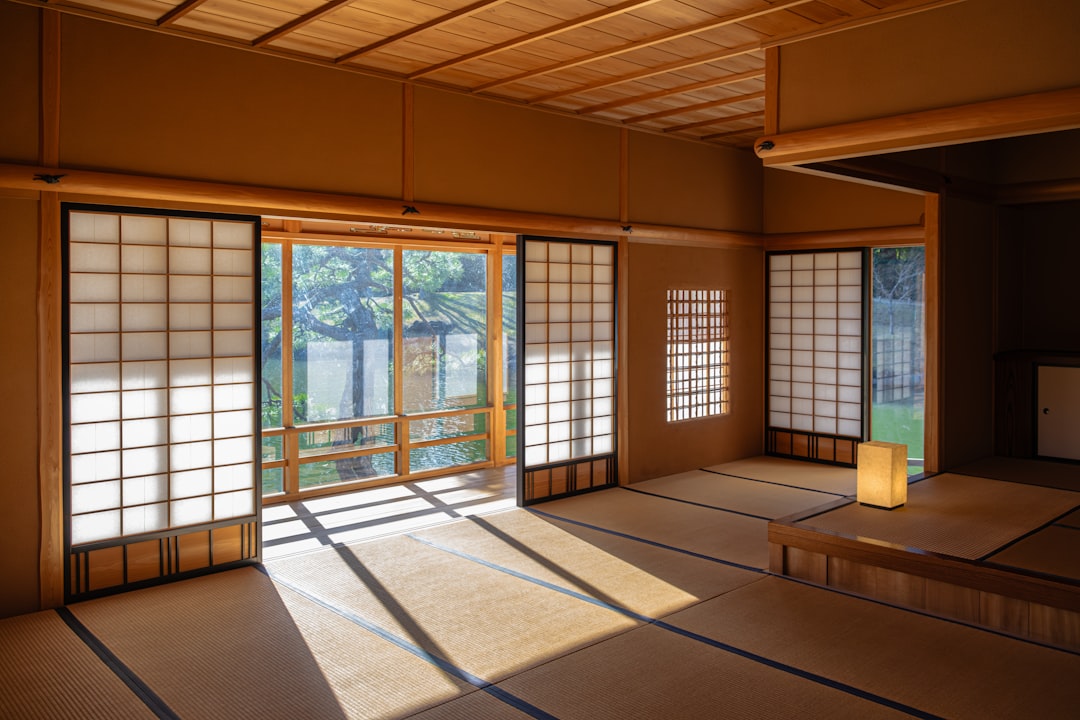

Photo by Viviana Nysaether on Unsplash
Why Budget Ryokan Stays Are a Must-Try Experience
A ryokan stay is often considered the crown jewel of Japanese travel, conjuring images of tatami mats, kaiseki dinners, and steaming onsen baths. Many travelers assume this experience comes with a hefty price tag, but budget ryokan options exist throughout Japan, offering an authentic taste of traditional hospitality without draining your travel fund. Whether you’re backpacking through the countryside or exploring major cities, affordable ryokans allow you to sleep under Japanese roofs, wrapped in yukata, and wake up to shoji-screened sunlight for a fraction of the luxury price.
This guide will help you understand what budget ryokans offer, where to find them, and how to make the most of your stay while keeping costs low.
What Exactly Is a Ryokan?
A ryokan is a traditional Japanese inn that has been part of the country’s hospitality culture for centuries. Unlike Western-style hotels, ryokans typically feature:
- Tatami-matted rooms with futon bedding laid out each night
- Communal or private onsen (hot spring) baths
- Yukata robes provided for guest comfort
- Traditional meals, often kaiseki-style multi-course dinners
- Sliding shoji doors and minimalist, nature-inspired decor
While high-end ryokans can cost several hundred dollars per night, budget versions strip back some luxuries while preserving the core cultural experience.
Types of Budget Ryokans to Consider
Family-Run Minshuku
Minshuku are essentially the budget cousins of ryokans. These family-operated guesthouses offer simple tatami rooms, home-cooked meals, and genuine hospitality from local hosts. Prices are often significantly lower than formal ryokans because minshuku owners handle everything themselves without extensive staff.
No-Meal Ryokan Plans
Many ryokans offer a “room only” or “stay without meals” (sudomari) option. Since elaborate kaiseki dinners often account for a large portion of ryokan costs, skipping this and eating at local restaurants can cut your bill dramatically while still letting you enjoy the room and bath facilities.
Rural and Small-Town Ryokans
Ryokans located outside major tourist hubs like Kyoto or Tokyo tend to be far more affordable. Hot spring towns in mountainous regions or coastal areas often have charming, budget-friendly options that see fewer international tourists but offer equally authentic experiences.
Shared Bathroom Ryokans
Choosing a room without a private bathroom is one of the easiest ways to reduce costs. Since communal baths (often including onsen) are part of the traditional ryokan experience anyway, skipping the private ensuite doesn’t diminish your stay—it might even enhance it.
Tips for Finding Affordable Ryokans
Book Directly When Possible
While booking platforms are convenient, some small ryokans offer better rates if you contact them directly via phone or email, especially for longer stays or off-peak dates.
Travel During Off-Peak Times
Avoiding major holidays and peak seasons can significantly reduce rates. Weekday stays are typically cheaper than weekends, and shoulder seasons often provide the best balance of pleasant weather and lower prices.
Consider Older or Smaller Ryokans
Newly renovated or extremely popular ryokans with modern amenities charge premium prices. Older, family-run establishments with fewer rooms often provide better value, even if the decor feels a bit dated. The trade-off is usually worth it for the authentic atmosphere and lower cost.
Use Regional Tourism Websites
Local tourism boards frequently list smaller ryokans that don’t appear prominently on major international booking sites. These hidden gems can offer excellent value and a more genuine local experience.
What to Expect During Your Budget Ryokan Stay
Check-In Etiquette
Most ryokans expect check-in during specific afternoon hours. Upon arrival, you’ll typically remove your shoes and may be offered tea while completing registration. Staff will explain the room layout, bath schedule, and any house rules.
Room Features
Budget ryokan rooms are usually compact but functional, featuring tatami flooring, a low table, cushions, and closet space for storing your futon during the day. Don’t expect Western-style beds—guests sleep on futons laid directly on the tatami, which many find surprisingly comfortable once they adjust.
Bathing Culture
If your budget ryokan includes onsen or communal bath access, take time to learn proper bathing etiquette: wash and rinse thoroughly before entering the shared bath, keep hair tied up and out of the water, and avoid bringing towels into the bathing area itself. This ritual is deeply relaxing once you understand the customs.
Meal Options
Even without included dinners, many budget ryokans offer optional breakfast add-ons featuring rice, grilled fish, miso soup, and pickles—a wonderful way to start your day traditionally without committing to a full meal plan.
Maximizing Value During Your Stay
- Ask staff for restaurant recommendations to enjoy affordable local cuisine nearby
- Use communal lounge areas, which often have complimentary tea or reading nooks
- Take advantage of any included onsen access, since public bathhouse entry elsewhere would cost extra
- Bring your own snacks or drinks if the ryokan allows it, reducing dependence on vending machines or pricier in-house options
Etiquette Tips for a Respectful Stay
Regardless of budget, ryokans operate on traditional customs that deserve respect. Remove shoes at the entrance, wear provided slippers in hallways (removing them before stepping on tatami), keep noise levels low as many ryokans have thin walls, and follow any posted bath schedules carefully since some facilities operate on gender-alternating hours.
Is a Budget Ryokan Right for You?
Budget ryokans are ideal for travelers who want cultural immersion without excessive luxury spending. If you’re comfortable with simpler furnishings, shared bathing facilities, and fewer frills, you’ll find these accommodations deliver incredible value. They provide a genuine window into Japanese hospitality traditions that hotels simply cannot replicate.
For travelers exploring rural Japan, hot spring towns, or smaller cities, budget ryokans often represent the best possible lodging choice—combining affordability with unforgettable cultural authenticity.
Final Thoughts
Experiencing a ryokan doesn’t require a lavish budget. With some research, flexibility, and openness to simpler accommodations, you can enjoy tatami rooms, calming baths, and warm Japanese hospitality at a price that fits comfortably into any travel budget. These budget-friendly stays often become some of the most memorable parts of a Japan trip, proving that authentic cultural experiences don’t have to come with premium price tags.