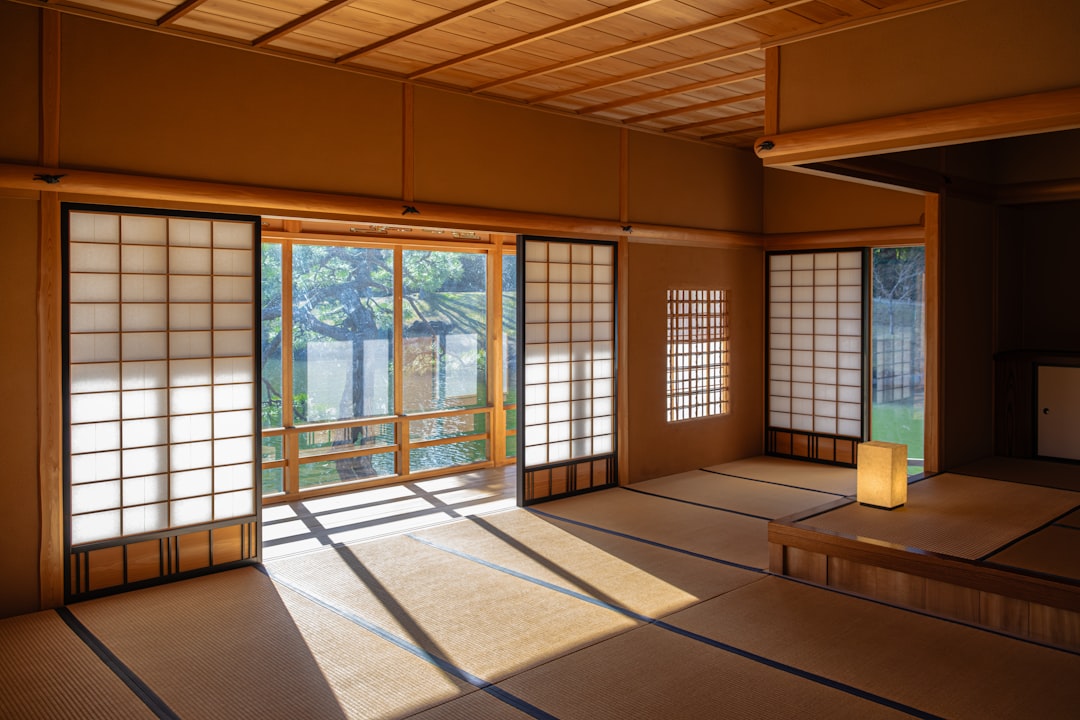

Photo by Viviana Nysaether on Unsplash
What Is a Ryokan, and Why Stay in One?
A ryokan is a traditional Japanese inn that offers a uniquely immersive cultural experience: tatami-mat rooms, futon bedding, communal or private onsen baths, and often a multi-course kaiseki dinner served in your room or a dining hall. For many travelers, staying in a ryokan is the highlight of a trip to Japan, offering a glimpse into hospitality traditions that stretch back centuries. The good news is that you do not need a luxury budget to enjoy this experience. Budget ryokan options exist throughout the country, from countryside hot spring towns to quiet corners of major cities, and they let you soak in tradition without draining your travel funds.
Understanding the Different Types of Ryokan
Not all ryokan are created equal, and understanding the categories can help you find the right budget-friendly option.
Luxury Ryokan
These are the high-end establishments often featured in travel magazines, complete with private open-air baths, elaborate multi-course dinners, and impeccable omotenashi (hospitality). Prices can easily exceed 30,000 to 50,000 yen per person per night.
Mid-Range Ryokan
These offer a comfortable balance of tradition and affordability, typically ranging from 10,000 to 20,000 yen per person, often including breakfast and dinner.
Budget Ryokan
Budget ryokan, sometimes called minshuku when they are family-run guesthouses, can cost anywhere from 4,000 to 9,000 yen per person per night. These properties may have shared bathrooms, simpler meals (or no meals included), and fewer frills, but they retain the essential ryokan atmosphere: tatami floors, futon bedding, and often a communal bath.
Tips for Finding Affordable Ryokan
Look Beyond Major Tourist Hubs
Ryokan located in smaller onsen towns or rural areas tend to be significantly cheaper than those in famous destinations. Consider lesser-known hot spring towns rather than the most Instagram-famous ones; the quality of the onsen experience is often just as good, if not better, at a fraction of the price.
Skip the Meals, Save Money
Many ryokan offer a “room only” or “stay without meals” (sudomari) rate, which can cut the price significantly compared to the standard half-board (dinner and breakfast included) rate. If you are traveling on a budget, eating at local restaurants or convenience stores for some meals and treating yourself to a ryokan dinner only occasionally can stretch your budget further.
Travel During Off-Peak Times
Weekdays, and seasons outside of cherry blossom time, autumn foliage season, and major holidays, tend to have lower rates. Booking a budget ryokan stay on a Tuesday or Wednesday night can sometimes save you thousands of yen compared to a weekend stay.
Choose Shared Bathroom Rooms
Rooms without a private bathroom are almost always cheaper than those with en-suite facilities. Since most ryokan pride themselves on their communal baths anyway, opting for a shared bathroom room is a practical way to save money while still enjoying the full onsen experience.
Book Directly or Use Budget-Focused Platforms
While large hotel booking sites are convenient, some small, family-run ryokan offer better rates when you book directly through their own website or by phone. Additionally, sites specializing in Japanese accommodations often reveal budget-friendly properties that don’t appear prominently on international platforms.
What to Expect at a Budget Ryokan
Simpler, but Still Charming, Rooms
Budget ryokan rooms are usually smaller and more modestly furnished than their luxury counterparts, but they still feature the essential elements: tatami flooring, a low table, and futon bedding that staff will lay out for you in the evening. Some rooms may have a small television or a simple alcove (tokonoma) with a hanging scroll or seasonal decoration.
Shared Facilities
Communal baths (daiyokujo) are a hallmark of the ryokan experience, and budget properties often have surprisingly lovely ones, sometimes fed by natural hot spring water. Shared toilets and washing areas are also common in the most affordable options.
Simple but Satisfying Meals
If meals are included, expect a home-style Japanese breakfast with rice, miso soup, grilled fish, and pickles, and perhaps a simpler dinner than the elaborate kaiseki spreads of luxury ryokan. Some budget properties skip meals altogether, giving you the flexibility to explore local eateries instead.
Warm, Personal Hospitality
One of the unexpected joys of budget ryokan and minshuku stays is the personal touch. Many are run by families who have operated the property for generations, and guests often report warm, memorable interactions with hosts who are eager to share local recommendations and stories.
Best Regions for Budget Ryokan Stays
Rural Onsen Towns
Small hot spring towns scattered across the countryside often have numerous budget-friendly ryokan competing for guests, which helps keep prices reasonable. These towns typically offer public foot baths, walking paths, and a slower pace of life that pairs perfectly with a relaxing ryokan stay.
Mountain Villages
Areas known for hiking and nature tourism frequently have modest ryokan catering to hikers and pilgrims, often at very reasonable rates, sometimes including hearty home-cooked meals.
Smaller Cities and Towns
Rather than staying in expensive city-center accommodations, consider basing yourself in a nearby smaller town with a traditional ryokan, then taking a short train ride into the city for sightseeing.
Etiquette Tips for First-Time Ryokan Guests
- Remove your shoes at the entrance and switch to the provided slippers.
- Wear the provided yukata (cotton robe) around the property, including to and from the communal bath.
- Wash and rinse thoroughly before entering the shared bath, as the bath itself is for soaking, not washing.
- Keep noise levels low in shared spaces out of respect for other guests.
- Tattoos may not be permitted in some communal baths; check in advance if this applies to you, and look for tattoo-friendly properties if needed.
Packing and Preparation Tips
Budget ryokan may not provide all the amenities of larger hotels, so it can be helpful to bring your own toiletries, a portable phone charger, and comfortable clothing to wear under the yukata. Since many rural ryokan are not centrally located, check train and bus schedules in advance, as public transportation options may be limited in the evening.
Final Thoughts
A budget ryokan stay proves that experiencing authentic Japanese hospitality doesn’t require a luxury price tag. By choosing simpler rooms, skipping optional meals, traveling during off-peak times, and exploring smaller towns rather than famous resort areas, travelers can enjoy tatami rooms, soothing hot spring baths, and genuine local hospitality at a fraction of the cost of high-end properties. For many visitors, these humble, family-run inns end up being the most memorable and heartwarming part of their entire trip to Japan.