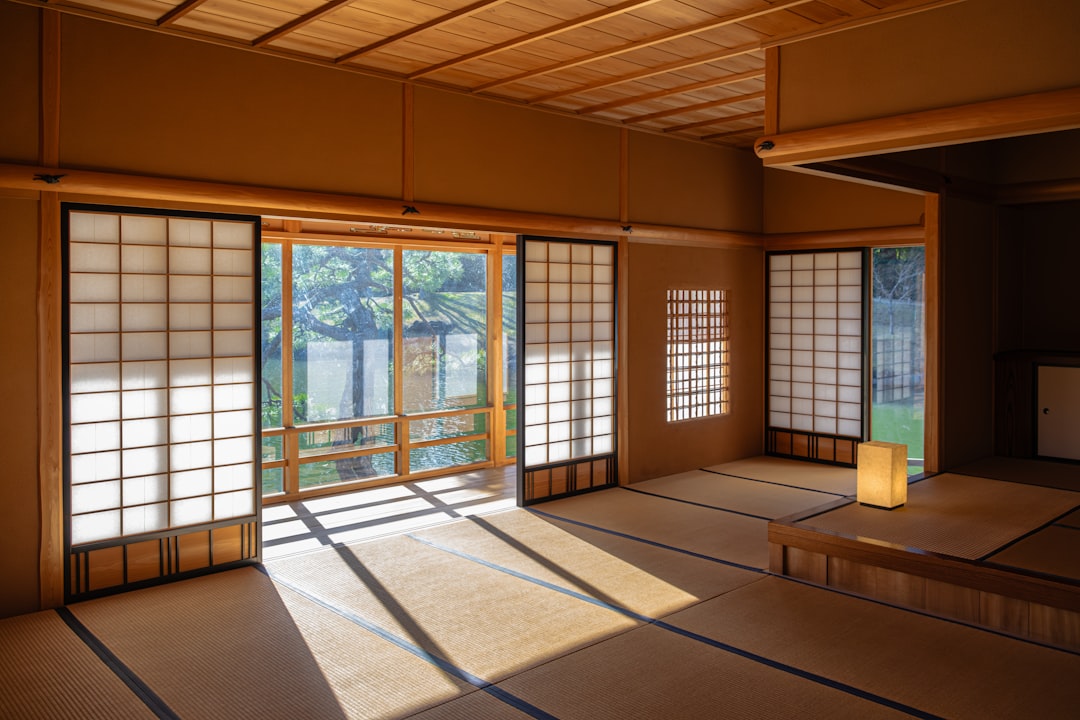

Photo by Viviana Nysaether on Unsplash
A stay at a ryokan is one of the most quintessential Japanese travel experiences you can have, offering tatami-mat rooms, futon bedding, communal baths, and often exquisite kaiseki dinners. Many travelers assume this experience comes with a luxury price tag reserved only for special occasions. The truth is far more welcoming: budget ryokan experiences exist throughout Japan, from bustling cities to quiet countryside towns, and they let you soak in centuries-old hospitality traditions for a fraction of the cost of high-end establishments.
This guide will show you how to find, book, and make the most of affordable ryokan stays, so you can experience authentic Japanese hospitality on any budget.
What Makes a Ryokan Budget-Friendly?
Not all ryokan are created equal, and price differences often come down to a few key factors rather than authenticity. Understanding these differences helps you know what to expect and where to look for savings.
Meal Plans
Traditional ryokan pricing is usually per person and includes dinner and breakfast, which is one reason prices can look high compared to hotels. Budget ryokan often offer a room-only option or breakfast-only plan, dramatically lowering the nightly rate while still letting you enjoy the architecture, baths, and atmosphere.
Bath Type
Ryokan with private in-room baths or exclusive rotenburo (outdoor baths) tend to be pricier. Budget-friendly ryokan typically feature shared communal baths, which is actually part of the traditional onsen culture and a wonderful way to relax after a day of sightseeing.
Location and Size
Family-run ryokan with fewer rooms, located slightly outside major tourist centers, often cost significantly less than famous inns near popular hot spring resorts. These smaller properties frequently offer the most heartfelt, personal hospitality.
Best Places to Find Budget Ryokan
Regional Onsen Towns
While famous hot spring destinations can be expensive, many smaller onsen towns throughout Japan offer excellent budget ryokan with genuine hot spring baths, tatami rooms, and home-cooked meals. These lesser-known towns often provide a quieter, more authentic experience than crowded tourist hubs.
Rural and Mountain Areas
Ryokan located in rural villages, mountain regions, and along old post towns tend to be more affordable than their urban or coastal counterparts. These areas also offer beautiful natural scenery and a slower pace of travel.
City Ryokan
Many cities have simple, budget ryokan that cater to both domestic and international travelers. These are often family-run with just a handful of rooms, offering tatami accommodations at prices comparable to mid-range hotels.
Tips for Booking Affordable Ryokan Stays
Choose Room-Only or Breakfast-Only Plans
If a full two-meal plan feels like a splurge, look for options that include just breakfast or no meals at all. You can then explore local restaurants for dinner, which is a great way to sample regional cuisine at a lower cost while still enjoying the ryokan’s atmosphere and baths.
Travel During Weekdays
Ryokan rates fluctuate significantly based on the day of the week. Weekday stays, particularly Sunday through Thursday, are typically much cheaper than weekend stays, especially in popular destinations.
Avoid Peak Seasons
Holiday periods, cherry blossom season, and autumn foliage season tend to drive prices up substantially. Traveling during shoulder seasons not only saves money but often means fewer crowds and more attentive service.
Book Directly When Possible
Some smaller, family-run ryokan offer better rates when you book directly through their website or by phone rather than through third-party booking platforms, which take commission fees that get passed on to guests.
Consider Shared Bathroom Facilities
Rooms without private bathrooms are almost always cheaper. Since most ryokan feature beautiful communal baths anyway, skipping the en-suite bathroom is an easy way to save money without sacrificing the experience.
What to Expect at a Budget Ryokan
Even at lower price points, budget ryokan typically deliver the core elements that make this style of accommodation special.
- Tatami mat rooms: Traditional flooring with futon bedding laid out by staff each evening.
- Communal bathing: Shared indoor or outdoor baths, often fed by natural hot springs.
- Yukata robes: Provided for guests to wear around the property and sometimes into town.
- Warm hospitality: Personal attention from owners who often live on-site and take pride in their guests’ comfort.
- Simple but satisfying meals: Even without elaborate kaiseki courses, many budget ryokan serve delicious home-style Japanese breakfasts featuring rice, grilled fish, miso soup, and pickles.
Etiquette Tips for First-Time Ryokan Guests
Understanding basic ryokan etiquette will help you feel comfortable and show respect for the traditions, regardless of the price point.
- Remove your shoes at the entrance and change into the provided slippers.
- Wash thoroughly before entering shared baths, as they are for soaking, not cleaning.
- Wear your yukata robe with the left side over the right, as the reverse is associated with funerals.
- Keep noise levels low, especially in shared hallways and communal areas.
- Follow any posted rules regarding tattoos at communal baths, as some establishments have restrictions.
Sample Budget Ryokan Itinerary Ideas
Weekend Countryside Escape
Choose a small ryokan in a rural onsen town, opt for a breakfast-only plan, and spend your evening exploring nearby restaurants or convenience stores for an affordable dinner. Spend your days hiking nearby trails or visiting local temples.
City Stopover
Book a simple, no-frills ryokan for one or two nights while exploring a city, treating it as a cultural experience rather than your only accommodation type during a longer trip. This lets you sample ryokan life without committing your entire budget to lodging.
Final Thoughts
Budget ryokan experiences prove that authentic Japanese hospitality doesn’t require a luxury budget. By understanding what drives pricing, choosing flexible meal plans, traveling strategically, and embracing shared facilities, you can enjoy tatami rooms, soothing baths, and genuine warmth from your hosts without overspending. These affordable stays often become some of the most memorable parts of a Japan trip, offering a genuine glimpse into traditional culture that no hotel chain can replicate.