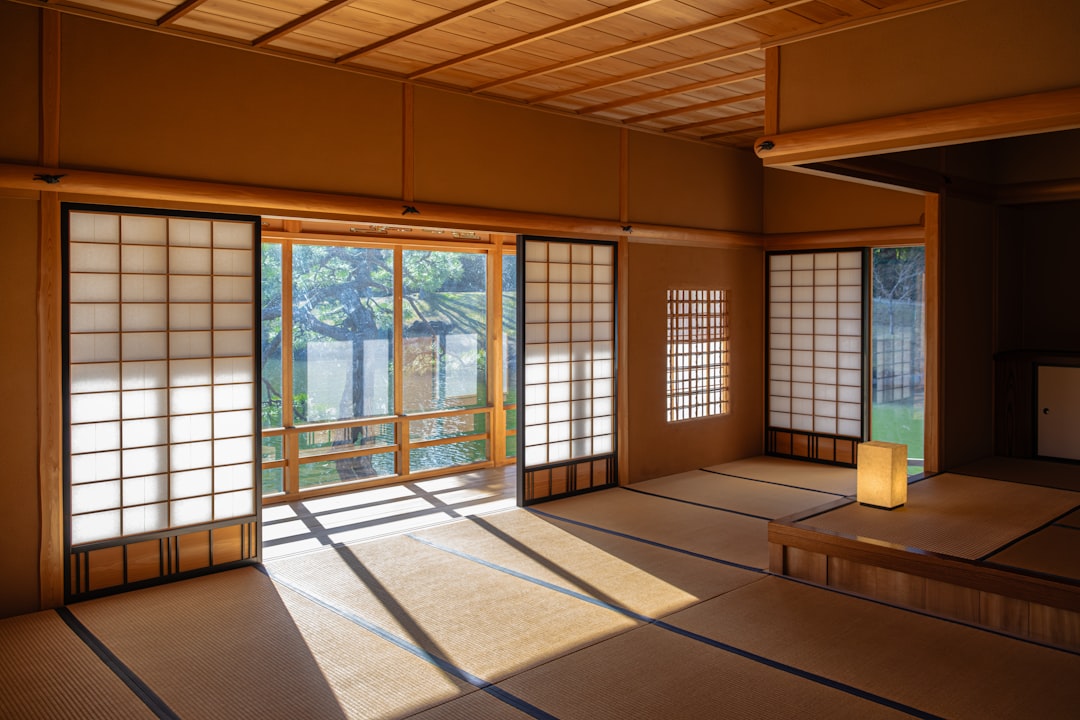

Photo by Viviana Nysaether on Unsplash
Discovering Budget Ryokan Experiences in Japan
For many travelers, staying in a ryokan (traditional Japanese inn) is the highlight of a trip to Japan. The image of tatami-mat rooms, futon bedding, steaming hot spring baths, and multi-course kaiseki dinners often comes with a hefty price tag in people’s minds. However, the reality is far more welcoming: budget ryokan experiences are not only possible, they are widespread throughout the country, offering an authentic slice of Japanese hospitality without draining your travel fund.
This guide explores what makes budget ryokans special, how to find them, what to expect during your stay, and practical tips to make the most of this uniquely Japanese accommodation style.
What Exactly Is a Ryokan?
A ryokan is a traditional Japanese inn that has existed for centuries, historically serving travelers along Japan’s old highways. Unlike Western-style hotels, ryokans emphasize communal bathing, seasonal cuisine, and a slower, more intentional pace of hospitality. Guests typically sleep on futons laid over tatami flooring, wear yukata (casual cotton robes) provided by the inn, and often have access to either private or shared hot spring baths known as onsen.
While luxury ryokans can charge premium rates for exclusive service and elaborate dining, budget ryokans strip away some of the extras while preserving the cultural essence of the experience.
Why Choose a Budget Ryokan?
Choosing a budget ryokan is not simply about saving money; it is about experiencing Japanese culture in its most genuine form. Here is why budget-conscious travelers should consider this option:
- Authentic Atmosphere: Many budget ryokans are family-run establishments that have operated for generations, offering a warmth and intimacy that larger hotels cannot replicate.
- Local Interaction: Owners and staff often speak limited English, which encourages meaningful cross-cultural exchanges and a deeper connection to local life.
- Affordable Onsen Access: Even budget ryokans frequently include access to hot spring baths, letting you enjoy this quintessential Japanese relaxation ritual without the luxury markup.
- Central or Scenic Locations: Many budget ryokans are found in historic towns, mountain villages, or near popular attractions, giving you convenient access to sightseeing.
How Much Do Budget Ryokans Cost?
Prices vary depending on region and season, but budget ryokans typically range from affordable per-person rates for a room-only stay to slightly higher rates when breakfast or dinner is included. Rural areas and smaller towns tend to offer better value than major cities like Kyoto or Tokyo. It is common to find significant savings by choosing a ryokan slightly outside a city center or in a lesser-known hot spring town rather than a famous tourist hub.
Many budget ryokans offer a room-only rate, allowing you to save further by eating at local restaurants instead of paying for the traditional multi-course dinner. This flexibility makes ryokan stays accessible to backpackers and long-term travelers, not just those on luxury itineraries.
What to Expect During Your Stay
Check-In and Room Setup
Upon arrival, you will usually be asked to remove your shoes and change into slippers. Your room will feature tatami flooring, a low table, and cushions for sitting. In many budget ryokans, staff will lay out your futon bedding in the evening, though some smaller establishments may ask you to do this yourself.
Shared Bathing Facilities
Budget ryokans often have shared bathing facilities rather than private en-suite bathrooms. This might include a communal onsen or a simple shared bath. While this may feel unfamiliar to first-time visitors, it is a cherished part of the ryokan experience and offers a chance to relax in a communal, respectful atmosphere.
Meals
Not all budget ryokans include meals, but those that do often serve a simplified version of kaiseki cuisine, featuring seasonal, home-style dishes rather than elaborate multi-course feasts. Breakfast commonly includes rice, grilled fish, miso soup, and pickled vegetables, providing a satisfying and authentic start to the day.
Tips for Finding the Best Budget Ryokans
- Book Directly When Possible: Some smaller ryokans offer better rates or added perks when you book directly through their website or by phone rather than through third-party platforms.
- Consider Off-Peak Travel: Traveling during weekdays or shoulder seasons often results in lower rates and greater availability at popular ryokans.
- Look Beyond Major Cities: Hot spring towns and rural regions frequently offer better value and a more traditional atmosphere than ryokans located in major urban centers.
- Read Recent Reviews: Since budget ryokans vary widely in quality, checking recent traveler reviews can help you understand cleanliness standards, staff friendliness, and the condition of facilities.
- Ask About Meal Plans: Opting for a room-only plan and eating at nearby restaurants can significantly reduce your overall costs while still allowing you to experience the ryokan atmosphere.
Ryokan Etiquette for First-Time Guests
Understanding basic etiquette will help you feel more comfortable and show respect for this traditional style of hospitality:
- Always remove your shoes at the entrance and change into the provided slippers.
- Wear the yukata provided in your room when moving around common areas of the ryokan, but remove slippers before stepping onto tatami flooring.
- If using a shared onsen, wash and rinse thoroughly before entering the bath, as the water is meant for soaking, not washing.
- Keep noise levels low, especially in shared hallways and dining areas, to maintain the peaceful atmosphere ryokans are known for.
- Fold your yukata neatly and leave your futon reasonably tidy upon checkout, even if staff will handle the full cleaning.
Best Regions for Budget Ryokan Experiences
Certain regions in Japan are particularly well-suited for budget-friendly ryokan stays due to their abundance of hot springs, traditional architecture, and lower cost of living compared to major metropolitan areas.
- Rural Hot Spring Towns: Small onsen towns throughout Japan often have multiple family-run ryokans competing for guests, which keeps prices reasonable while maintaining high standards of hospitality.
- Mountain Villages: Areas known for hiking or seasonal scenery frequently offer ryokan stays that combine natural beauty with affordable traditional lodging.
- Smaller Cities and Towns: Choosing a base outside of major tourist hubs can lead to significant savings while still providing easy access to nearby attractions via train or bus.
Final Thoughts
A budget ryokan experience proves that authentic Japanese hospitality does not require a luxury budget. By understanding what to expect, choosing the right location, and embracing simple etiquette, travelers can enjoy tatami rooms, soothing hot spring baths, and genuine cultural immersion at a fraction of the cost of high-end accommodations. Whether you are backpacking through Japan or simply looking to diversify your accommodation choices, a night or two in a budget ryokan offers memories that far outweigh its modest price tag.