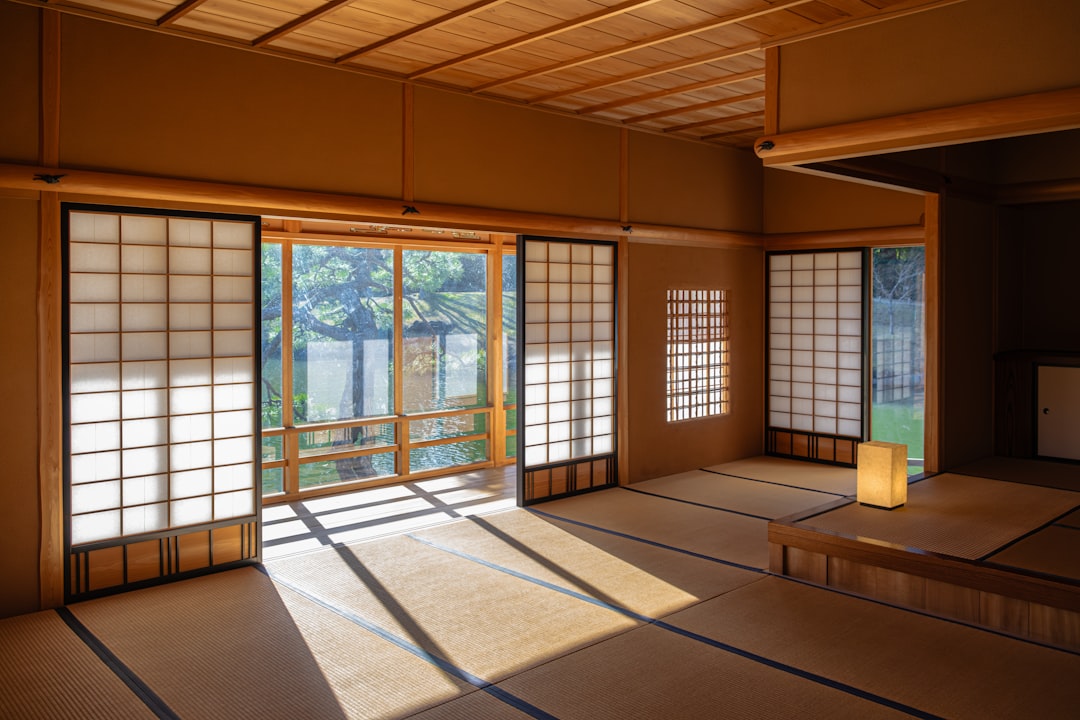

Photo by Viviana Nysaether on Unsplash
What Is a Ryokan, and Why Stay in One?
A ryokan is a traditional Japanese inn that dates back centuries, offering a style of hospitality found nowhere else in the world. Tatami-mat floors, futon bedding, communal or private hot spring baths, sliding paper doors, and seasonal kaiseki meals are the hallmarks of the classic ryokan experience. Many travelers assume that staying in one requires a luxury budget, picturing exclusive mountain retreats charging hundreds of dollars per night. While those high-end properties certainly exist, there is also a rich world of budget ryokans scattered across Japan that let you enjoy this cultural tradition affordably.
Budget ryokan experiences make it possible for backpackers, families, and curious first-time visitors to sleep on tatami, soak in an onsen, and wake up to the quiet rhythm of a traditional inn without spending a fortune. This guide explains how to find these hidden gems, what to expect, and how to make the most of your stay.
Why Choose a Budget Ryokan Over a Hotel
Japan has no shortage of affordable business hotels and capsule hotels, so why choose a ryokan instead? The answer lies in the experience itself. A budget ryokan offers:
- An authentic taste of Japanese culture and architecture
- The chance to wear a yukata and relax in a communal or private bath
- Home-cooked or locally sourced meals, often included in the price
- Personal interaction with innkeepers who take pride in hospitality
- A quieter, slower pace compared to standardized hotel chains
For travelers who want more than just a place to sleep, a modest ryokan stay can become one of the most memorable parts of a Japan trip.
How Much Does a Budget Ryokan Cost?
Prices vary by region and season, but many budget ryokans charge a fraction of what upscale properties demand. Simple rooms without private baths, especially in rural towns or smaller cities, can be surprisingly inexpensive per person per night. Staying without meals (known as room-only or 素泊まり) is typically the cheapest option, while adding breakfast or a full dinner-and-breakfast plan increases the price but often delivers excellent value, since many ryokan meals feature fresh, seasonal, home-style cooking that would cost much more at a restaurant.
Weekday stays, off-peak seasons, and advance bookings tend to offer the best rates. Avoiding major holiday periods and popular weekend getaways can significantly reduce costs.
Where to Find Budget Ryokans
Rural Towns and Hot Spring Villages
Small onsen towns tucked into the mountains or along the coast often have family-run ryokans that have operated for generations. These establishments frequently offer better value than famous hot spring resorts, since they rely on loyal local guests rather than international tourism markups.
Older Ryokans in Regional Cities
Many regional cities have modest, older ryokans near train stations that cater to business travelers and long-term domestic guests. These are usually simple, clean, and considerably cheaper than their resort counterparts.
Minshuku as an Alternative
If you cannot find a ryokan within budget, consider a minshuku, a family-run guesthouse similar to a ryokan but generally smaller and more affordable. The experience is quite similar: tatami rooms, shared bathrooms, and home-cooked meals, just with a more casual atmosphere.
What to Expect During a Budget Ryokan Stay
Check-In and Room Style
Upon arrival, guests are usually greeted warmly and asked to remove their shoes. Rooms are typically tatami-matted with a low table, cushions, and a closet containing futon bedding that staff will lay out in the evening. Budget rooms may lack private bathrooms, meaning guests use shared facilities down the hall.
Bathing Etiquette
Many budget ryokans feature a shared bath, sometimes a small onsen-fed tub. Bathing etiquette in Japan requires washing and rinsing thoroughly at the shower stations before entering the communal tub, since the bathwater is shared and meant only for soaking, not washing.
Meals
If your budget ryokan includes meals, expect a homestyle set meal featuring rice, miso soup, grilled fish, pickles, and seasonal vegetables. Even simple budget offerings often highlight regional specialties, giving travelers a genuine taste of local food culture.
Yukata and Slippers
Guests are typically provided with a yukata (a casual cotton robe) and slippers to wear around the inn. Wearing the yukata is part of the relaxed ryokan lifestyle and is completely normal, even for meals within the property.
Tips for a Smooth Budget Ryokan Experience
- Book directly when possible: Some small ryokans do not list on major booking platforms, so checking their own website or calling ahead may reveal lower rates.
- Choose room-only plans: If you plan to eat out, skip the meal plan to lower the price, especially in cities with abundant dining options nearby.
- Pack a few essentials: Basic budget ryokans may not stock amenities like premium toiletries, so bringing your own toothbrush or skincare items can help.
- Be flexible with timing: Traveling on weekdays or during shoulder seasons often unlocks lower nightly rates.
- Learn a few basic phrases: Many budget ryokans, especially in rural areas, may not have English-speaking staff, so simple Japanese greetings go a long way.
- Respect house rules: Curfews, bath hours, and quiet times are common in traditional inns, so check the guidelines upon check-in.
Common Concerns About Budget Ryokans
Language Barriers
Smaller, budget-friendly ryokans may have limited English signage or staff. However, most innkeepers are welcoming and patient, often using translation apps or simple gestures to communicate. Politeness and a willingness to try basic Japanese phrases are usually well received.
Shared Bathroom Concerns
Some travelers hesitate at the idea of communal bathrooms, but most budget ryokans schedule separate bathing times for men and women, or offer reservation systems for private family baths at a small extra fee. This ensures privacy while keeping costs low.
Comfort Level
Futon bedding on tatami floors might feel different from Western beds, but many guests find it surprisingly comfortable, especially with the quality futons and pillows provided by most ryokans. If you have specific mobility needs, it’s worth confirming bedding arrangements before booking.
Making the Most of Your Stay
To fully enjoy a budget ryokan experience, slow down and embrace the pace of traditional Japanese hospitality. Arrive early enough to enjoy the bath before dinner, wear your yukata around the property, and take time to chat with the innkeepers if language allows. These small inns often carry decades of stories, architectural charm, and personal touches that larger hotels simply cannot replicate.
Final Thoughts
Budget ryokan experiences prove that authentic Japanese hospitality doesn’t require a luxury price tag. With a little research, flexibility, and openness to a different pace of travel, you can enjoy tatami rooms, communal baths, and homestyle meals at a fraction of the cost of high-end ryokans. Whether tucked into a quiet mountain town or hidden near a regional train station, these humble inns offer some of the most memorable and genuinely local experiences available to travelers exploring Japan.