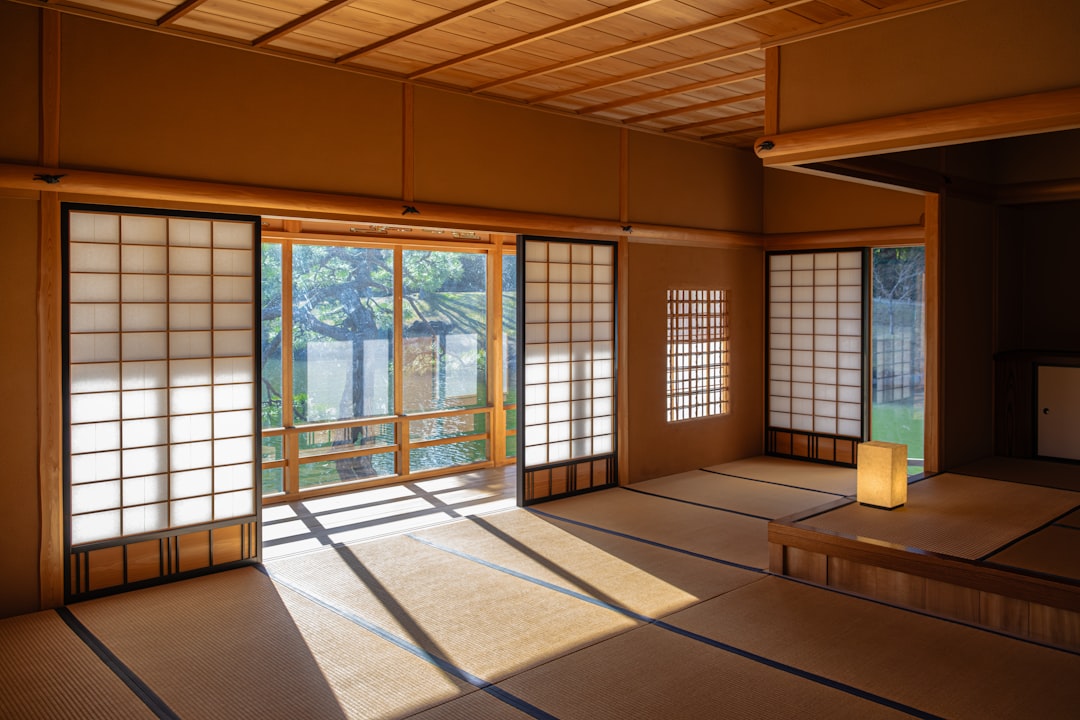

Photo by Viviana Nysaether on Unsplash
Discovering Affordable Ryokan Stays in Japan
A stay at a ryokan, Japan’s traditional inn, is often considered one of the most quintessential experiences a traveler can have in the country. Tatami-matted rooms, futon bedding, communal or private onsen baths, and multi-course kaiseki meals conjure images of luxury that can cost hundreds of dollars per night. However, the good news is that budget ryokan experiences are not only possible but widely available across Japan, allowing travelers of all budgets to enjoy this centuries-old hospitality tradition without draining their savings.
This guide will walk you through everything you need to know about finding, booking, and enjoying budget-friendly ryokan stays, from what to expect at lower price points to insider tips for maximizing value.
What Makes a Ryokan ‘Budget-Friendly’?
Ryokan pricing in Japan varies enormously, from ultra-luxurious establishments charging upwards of 50,000 yen per person per night to humble family-run inns charging as little as 5,000 to 8,000 yen. Budget ryokans typically differ from their high-end counterparts in a few key ways:
- Simpler meal offerings, or meals not included at all (room-only plans)
- Shared bathing facilities rather than private in-room baths
- Smaller room sizes and more modest interior decor
- Fewer staff and less elaborate service rituals
- Locations slightly outside prime tourist areas or in smaller towns
Despite these differences, budget ryokans still deliver the core experience: sleeping on futons atop tatami mats, wearing yukata robes, soaking in communal baths, and absorbing the quiet, unhurried rhythm of traditional Japanese hospitality.
Where to Find Budget Ryokan Experiences
Hot Spring Towns and Rural Areas
Onsen towns away from major cities often have surprisingly affordable ryokan options. Smaller hot spring villages, especially those less frequented by international tourists, tend to offer better value because competition among local inns keeps prices reasonable. Rural prefectures generally offer better ryokan value than metropolitan hubs like Tokyo or Kyoto, where real estate costs push prices higher.
Minshuku: The Budget Cousin of Ryokan
If you’re specifically hunting for value, consider minshuku, which are family-run guesthouses similar to ryokan but generally simpler and cheaper. Minshuku often feel more like staying with a local family, with home-cooked meals and personal interactions with the hosts. Many travelers find minshuku stays even more memorable than formal ryokan because of this intimacy.
Ryokan Chains and Modern Budget Brands
In recent years, several ryokan-style chains have emerged that blend traditional aesthetics with efficient, budget-conscious operations. These establishments standardize the ryokan experience across multiple locations, often featuring simple tatami rooms, shared baths, and optional breakfast, all at accessible price points. They’re an excellent entry point for first-time ryokan guests who want reliability alongside affordability.
Tips for Booking Budget Ryokan Stays
Book Room-Only Plans
Many ryokans offer meal-inclusive packages (often two meals, breakfast and dinner) that can significantly raise the nightly rate. Opting for a room-only plan and eating at local restaurants or convenience stores can cut costs substantially, especially if you’re traveling on a tight budget or prefer flexibility in your dining schedule.
Travel During Off-Peak Times
Ryokan prices fluctuate significantly based on season and day of the week. Weekday stays are typically cheaper than weekends, and traveling outside of major holiday periods or peak cherry blossom and autumn foliage seasons can result in substantial savings. If your schedule is flexible, this is one of the easiest ways to access budget rates at higher-quality properties.
Use Japanese Booking Platforms
While international booking sites are convenient, Japanese domestic platforms often list a wider range of budget ryokan options, including smaller family-run establishments that don’t market internationally. These sites sometimes offer better rates or exclusive promotions not available elsewhere.
Consider Shared Bathroom Facilities
Rooms without private bathrooms are typically the most affordable option at any ryokan. Since communal bathing is part of the traditional ryokan experience anyway, opting out of a private bath doesn’t diminish the cultural authenticity of your stay, and it can save a meaningful amount on the room rate.
What to Expect During Your Stay
Even at budget-friendly establishments, certain rituals remain consistent across most ryokan experiences:
- Check-in and yukata: Upon arrival, you’ll usually be offered a cotton yukata robe to wear during your stay, both around the inn and often around town if it’s a hot spring destination.
- Tatami rooms: Your room will feature tatami flooring, a low table, and futon bedding that staff typically lay out in the evening.
- Communal bathing: Most budget ryokans feature shared baths, sometimes segregated by gender, occasionally fed by natural hot spring water if located in an onsen area.
- Quiet hours: Ryokans generally observe quieter evening hours compared to Western-style hotels, contributing to the relaxing atmosphere.
Etiquette Tips for Budget Ryokan Guests
Regardless of price point, certain etiquette expectations remain consistent at ryokans:
- Remove your shoes at the entrance and switch to indoor slippers
- Wash thoroughly before entering communal baths, as these are for soaking, not cleaning
- Keep noise levels low, especially in shared hallways and common areas
- Fold your yukata properly and treat provided amenities with care
- Tattoos may still be restricted at some communal baths, so check policies in advance if this applies to you
Is a Budget Ryokan Worth It?
Absolutely. While luxury ryokans offer undeniable indulgence, budget ryokan experiences provide genuine cultural immersion at a fraction of the cost. The essence of ryokan hospitality, known as omotenashi, is about heartfelt service and attention to guest comfort, and this spirit persists even at modest, affordable establishments. For travelers who want to experience traditional Japanese lodging without dedicating a large portion of their trip budget to accommodation, budget ryokans represent one of the smartest choices available.
Final Thoughts
Japan’s budget ryokan scene proves that authentic cultural experiences don’t have to come with a hefty price tag. By researching smaller towns, choosing room-only plans, traveling during off-peak periods, and staying open to shared facilities, you can enjoy the tatami mats, communal baths, and timeless hospitality of a ryokan while keeping your travel budget firmly intact. Whether it’s a rural minshuku run by a welcoming elderly couple or a modern budget ryokan chain near a train station, these affordable stays often become some of the most cherished memories of a Japan trip.