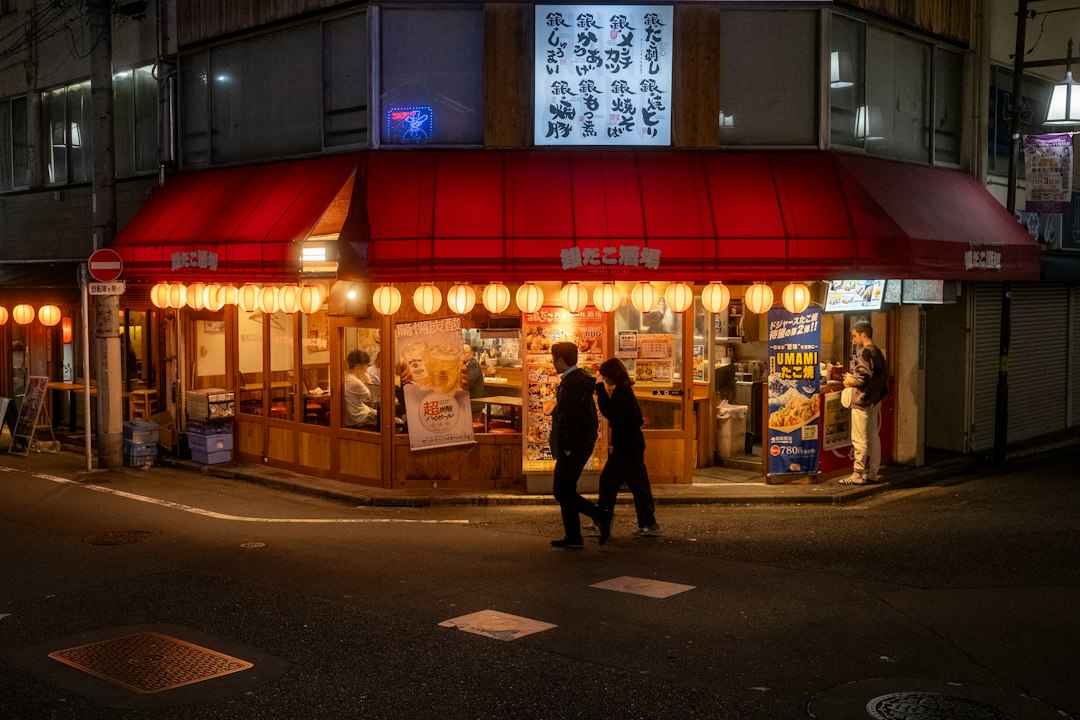
Discovering Dorayaki in Asakusa, Tokyo’s Most Nostalgic Neighborhood
Few Japanese sweets capture the heart quite like dorayaki, the beloved pancake sandwich filled with sweet red bean paste. And few places in Tokyo celebrate this treat as beautifully as Asakusa, the historic district famous for Senso-ji Temple, rickshaw rides, and centuries-old craftsmanship. Wandering the narrow lanes around Nakamise Shopping Street, you’ll find small family-run confectionery shops that have been perfecting their dorayaki recipes for generations. This guide explores the tradition behind dorayaki, why Asakusa remains its spiritual home, and where to find the most memorable bites in the neighborhood.
What Exactly Is Dorayaki?
Dorayaki consists of two small, fluffy pancakes made from a honey-sweetened batter, sandwiched together with a generous layer of anko, or sweet red bean paste. The name itself comes from “dora,” meaning gong, because the round griddle used to cook the pancakes resembled the shape of a traditional Japanese gong. Some legends even trace the sweet’s origin back to samurai-era stories involving warriors and cooking utensils left behind on battlefields, though most historians agree the modern dorayaki as we know it developed during the early twentieth century.
What sets great dorayaki apart is balance: the pancake should be soft, slightly springy, and only mildly sweet, allowing the richness of the red bean filling to shine. Traditional shops often use time-honored techniques passed down through family lines, including specific ratios of flour, eggs, and honey, as well as carefully simmered adzuki beans that can take hours to prepare properly.
Why Asakusa Is Considered Dorayaki Heaven
Asakusa has long been a hub of traditional confectionery culture, largely because of its proximity to Senso-ji Temple. For centuries, pilgrims and visitors walking to the temple would stop at nearby shops for a sweet treat, creating a thriving culture of wagashi, or traditional Japanese confections. Many of today’s dorayaki shops in Asakusa trace their roots back generations, with recipes that have barely changed over the decades. The neighborhood’s old-town atmosphere, filled with narrow alleys, traditional shopfronts, and the scent of roasting beans, makes tasting dorayaki here feel like stepping into a living piece of Tokyo’s culinary history.
Notable Traditional Dorayaki Shops to Visit
Usagiya
Usagiya is one of the most celebrated names associated with dorayaki in Tokyo, and its Asakusa presence draws steady crowds of locals and travelers alike. The shop is known for a delicate, slightly thin pancake that lets the smooth, not-too-sweet red bean filling take center stage. Because the shop often sells out before closing time, visiting earlier in the day is highly recommended.
Kameju
Located just steps from the iconic Kaminarimon Gate, Kameju has become something of an institution. Its dorayaki is famous for a thicker, castella-like pancake with a subtle honey aroma, paired with a rich, glossy bean paste. Lines can form quickly, especially on weekends, but the wait is part of the experience, giving visitors time to soak in the historic streetscape while they wait.
Small Family-Run Confectioners
Beyond the well-known names, Asakusa’s backstreets hide countless smaller, family-operated wagashi shops that make dorayaki in limited daily batches. These shops rarely advertise widely, relying instead on loyal neighborhood customers and word of mouth. Exploring streets slightly off the main tourist path near Nakamise-dori often leads to delightful discoveries, including seasonal variations like chestnut-filled dorayaki in autumn or matcha cream versions in spring.
How Traditional Dorayaki Is Made
The process of making authentic dorayaki is deceptively simple but requires real skill. Understanding the craftsmanship helps visitors appreciate why these shops have endured for so long.
- Preparing the batter: A mixture of flour, eggs, sugar, honey, and a leavening agent is whisked until smooth, then rested to develop the right texture.
- Cooking the pancakes: Small rounds of batter are cooked on a flat griddle at a precise temperature, flipped only once to create an even golden-brown color on both sides.
- Simmering the anko: Adzuki beans are soaked, boiled, and then slowly simmered with sugar until they reach a smooth, glossy consistency, a process that can take several hours.
- Assembling: Two pancakes are paired by size and thickness, then filled generously with the prepared bean paste before being wrapped for sale.
Many shops in Asakusa still prepare their beans and batter fresh each morning, which is why dorayaki here often tastes noticeably softer and fresher compared to mass-produced versions sold in supermarkets.
Best Time to Visit Dorayaki Shops in Asakusa
Since traditional dorayaki shops frequently sell out of their daily batches, timing your visit matters. Arriving in the late morning, shortly after opening, generally offers the best selection. Weekday visits tend to be quieter than weekends, when both domestic and international visitors flock to Senso-ji and the surrounding shopping streets. If you’re hoping to sample dorayaki from multiple shops in a single outing, consider planning a route that starts near Kaminarimon Gate and winds through the smaller side streets before finishing near Nakamise-dori.
Pairing Dorayaki with Japanese Tea
No dorayaki experience feels complete without a proper cup of tea. The mild sweetness of the pancake and the earthy richness of the red bean paste pair wonderfully with green tea, particularly sencha or hojicha, which has a toasted, nutty flavor that balances the sweetness. Some traditional shops and nearby tea houses in Asakusa offer seating where you can enjoy your dorayaki freshly made alongside a hot cup of tea, turning a quick snack into a relaxing cultural moment.
Exploring Asakusa Beyond Dorayaki
While dorayaki hunting is a wonderful reason to visit Asakusa, the neighborhood offers plenty more to explore. Senso-ji Temple and its striking Kaminarimon Gate are must-see landmarks, while Nakamise Shopping Street offers a wide range of traditional snacks, crafts, and souvenirs. Nearby, the Sumida River provides scenic walking paths, and traditional rickshaw rides offer a unique way to see the district’s historic streets. Combining a dorayaki-focused food walk with these attractions makes for a full and satisfying day exploring old Tokyo.
Frequently Asked Questions
Is dorayaki available year-round in Asakusa?
Yes, dorayaki is a year-round treat, though some shops introduce seasonal fillings such as chestnut in autumn or strawberry cream in spring, adding variety for repeat visitors.
How much does dorayaki typically cost?
Prices vary by shop and size, but traditional dorayaki in Asakusa is generally an affordable treat, making it easy to sample from several shops in one visit without breaking the budget.
Can dorayaki be taken home or shipped?
Many shops sell boxed sets suitable as souvenirs, though because dorayaki contains fresh ingredients, it is best enjoyed within a day or two of purchase for optimal freshness.
Final Thoughts
Traditional dorayaki shops in Asakusa offer far more than just a sweet snack; they provide a genuine taste of Tokyo’s culinary heritage. Whether you’re drawn in by the famous names near Kaminarimon Gate or stumble upon a hidden family-run shop down a quiet side street, each bite of freshly made dorayaki connects you to generations of confectionery craftsmanship. For anyone visiting Asakusa, setting aside time to explore its dorayaki culture is a delicious and memorable way to experience the soul of old Tokyo.
Photo by Dao En Wong on Unsplash