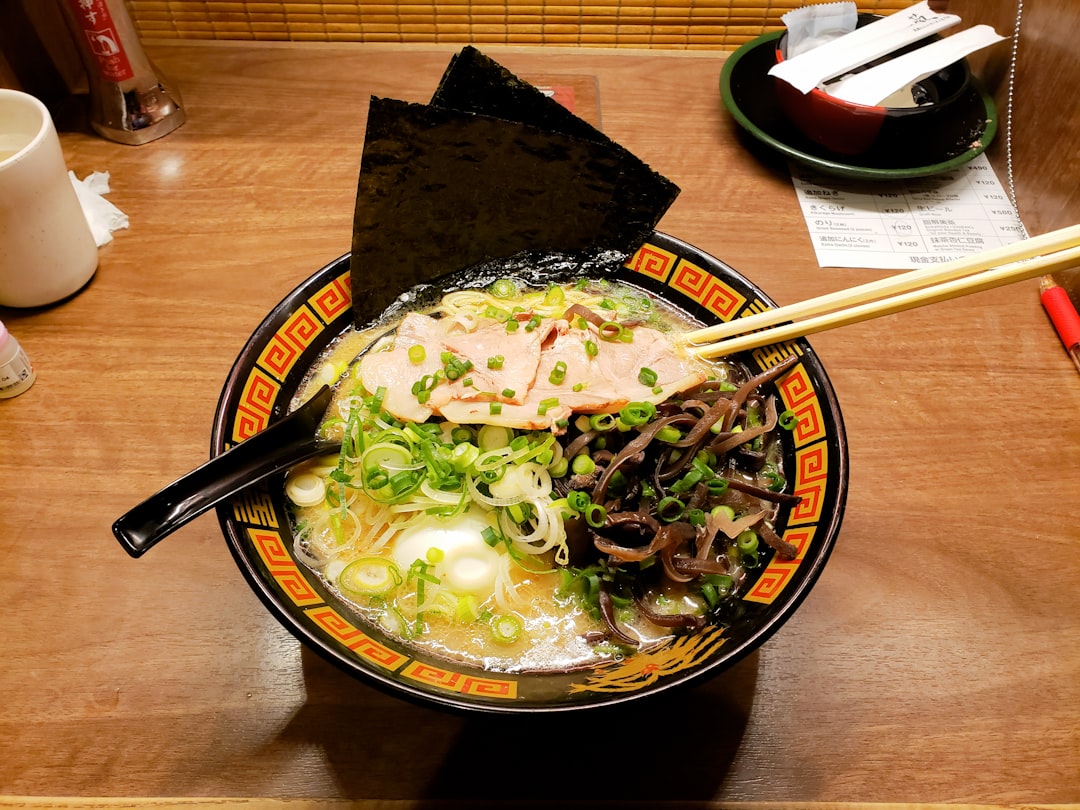

Photo by Crystal Jo on Unsplash
Why Osaka Is a Ramen Paradise You Can’t Ignore
When most ramen enthusiasts think of Japan’s noodle mecca, Tokyo or Fukuoka often steal the spotlight. But Osaka — Japan’s self-proclaimed kitchen, or Kuidaore city — has been quietly perfecting its own ramen culture for decades. From rich, porky tonkotsu broths to delicate shio-based soups, the authentic ramen shops in Osaka offer an extraordinary range of flavors that reflect the city’s bold, unapologetic approach to food. Whether you’re a first-time visitor or a seasoned Japan traveler, exploring Osaka’s ramen scene is an experience that will linger on your taste buds long after you return home.
In this guide, we’ll walk you through everything you need to know about finding and enjoying authentic ramen in Osaka — from the signature styles you’ll encounter to insider tips for ordering like a local. Pull up a stool, grab some chopsticks, and get ready to slurp.
Understanding Osaka’s Ramen Identity
Unlike Tokyo’s soy-forward shoyu ramen or Fukuoka’s creamy tonkotsu, Osaka doesn’t claim a single iconic regional style. Instead, the city acts as a melting pot, welcoming ramen chefs from across Japan who bring their regional specialties and then adapt them to Osaka’s intensely food-savvy palate. This means you’ll find extraordinary versions of almost every major ramen style within a relatively compact urban area.
That said, a few characteristics tend to define the Osaka ramen experience:
- Bold, layered flavors: Osaka diners expect complexity. Broths here are often slow-cooked for hours, building depth that goes far beyond a simple salty or savory note.
- Value for money: Osaka has a culture of getting the most out of every yen spent. Ramen shops here tend to offer generous portions and excellent quality at reasonable prices.
- Innovative twists: While respecting tradition, Osaka chefs aren’t afraid to experiment — you might find a classic tonkotsu elevated with local dashi or a shoyu broth infused with kombu from Osaka Bay.
The Major Ramen Styles You’ll Find in Osaka
1. Tonkotsu Ramen
Hailing originally from Fukuoka’s Hakata district, tonkotsu ramen has found a beloved second home in Osaka. The broth is made by boiling pork bones for many hours until they break down into a rich, creamy, opaque white soup. In Osaka, you’ll often find tonkotsu served with thin, straight noodles, sliced chashu pork belly, soft-boiled marinated eggs (ajitsuke tamago), bamboo shoots (menma), and green onions. Some shops add a drizzle of sesame oil or a dollop of spicy miso for an Osaka-style kick.
2. Shoyu Ramen
Soy sauce-based shoyu ramen is one of Japan’s most classic styles, and Osaka’s version often incorporates kombu or niboshi (dried sardines) into the tare (seasoning sauce), giving it an umami depth that’s distinctly Kansai in character. The broth is typically clear to light brown, with a clean, savory finish that lets the quality of individual ingredients shine.
3. Shio Ramen
Salt-based shio ramen is the most delicate of the major styles, featuring a pale, golden broth that showcases the subtle flavors of chicken, seafood, or a combination of both. In Osaka, talented chefs elevate shio ramen with careful attention to noodle texture and premium toppings like yuzu zest, thin-sliced chicken, or fresh vegetables.
4. Miso Ramen
Although miso ramen is most closely associated with Hokkaido, Osaka has embraced the style with characteristic enthusiasm. Local shops often craft their miso tare from a blend of red and white miso, creating a sweet-savory balance that pairs beautifully with corn, butter, and thick, wavy noodles.
5. Tsukemen (Dipping Ramen)
For something a little different, tsukemen offers thick noodles served separately from a concentrated dipping broth. You dip each mouthful of noodles into the intense soup, then often finish by adding hot water to the remaining broth to create a soup to drink at the end. This style has developed a passionate following in Osaka.
Key Neighborhoods to Find Authentic Ramen in Osaka
Namba and Shinsaibashi
As Osaka’s beating heart of entertainment and nightlife, Namba is also a ramen goldmine. The narrow streets and covered arcades hide dozens of ramen shops ranging from tiny counter-only establishments to slightly larger sit-down restaurants. This is an excellent area to start your ramen journey, especially after a night of exploring Dotonbori.
Umeda and Kita District
Osaka’s other major hub, Umeda is packed with ramen options, particularly in the underground dining areas beneath the major train stations. The Shin-Umeda Shokudo-gai (New Umeda Food Alley) is a retro-style collection of small restaurants that has been serving hungry Osakans for generations and includes some genuinely outstanding ramen spots.
Tennoji and Abeno
Slightly south of the city center, the Tennoji area offers a more local, neighborhood feel. Ramen shops here cater primarily to residents rather than tourists, which often means more authentic experiences, lower prices, and proprietors who are passionate about their craft without the pressure to perform for foreign visitors.
Fukushima
Fukushima has evolved into one of Osaka’s most exciting food neighborhoods, with a concentration of small, chef-driven restaurants. The ramen shops here tend to be more experimental and artisanal, attracting serious food lovers who are willing to queue for a bowl of something truly special.
How to Order Ramen in Osaka Like a Local
Ordering ramen in Japan can feel intimidating if it’s your first time, but the process is actually quite straightforward once you know what to expect. Here’s a step-by-step breakdown:
- Ticket machines (shokken-ki): Most authentic ramen shops use a vending machine just inside the entrance. You select your order by pressing the button next to your chosen dish, pay, and receive a ticket to hand to the staff. Menus often have pictures, which makes this easier for non-Japanese speakers.
- Choose your broth: If given options, decide on your preferred broth type (tonkotsu, shoyu, shio, miso) and intensity (light, regular, rich).
- Noodle firmness: Many shops will ask how firm you’d like your noodles — katame (firm), futsu (regular), or yawaraka (soft). Firm is often recommended for the best texture.
- Toppings: Consider adding a soft-boiled marinated egg, extra chashu, nori seaweed, or a pat of butter for miso ramen.
- Slurp away: Slurping noodles is not just acceptable in Japan — it’s considered a sign that you’re enjoying your meal. Don’t be shy.
Essential Tips for the Authentic Osaka Ramen Experience
- Go at off-peak hours: The best ramen shops in Osaka often have queues. Aim to arrive just before opening time or between the lunch and dinner rushes (around 2–5 PM) to minimize waiting.
- Bring cash: Many smaller, traditional ramen shops are cash-only. Always carry yen when exploring the food scene.
- Check for closing days: Many ramen shops take one or two days off per week. Check before you travel across the city.
- Embrace the counter: Counter seating is the norm at most ramen shops. It puts you right in front of the action and is often the best place to watch the chefs at work.
- Don’t linger too long: Ramen is meant to be enjoyed quickly while hot. Lingering at your seat after finishing can be inconsiderate when others are waiting in line.
- Use Tabelog or Google Maps: The Japanese review platform Tabelog is excellent for finding highly-rated local spots. Google Maps reviews from Japanese users can also point you toward hidden gems.
What Makes a Truly Authentic Ramen Shop in Osaka?
With so many ramen options in Osaka, how do you distinguish an authentic, craft-focused shop from a tourist-oriented operation? Look for these signs:
- A focused menu: Authentic ramen shops usually specialize in one or two styles and do them exceptionally well, rather than offering a sprawling menu of every ramen type imaginable.
- House-made noodles: Some of the best shops make their own noodles daily, tailoring the thickness, texture, and alkalinity to complement their specific broth.
- Long-simmered broths: Ask locals or read reviews to find shops known for their broth preparation process. A shop that starts simmering bones at 3 AM for an 11 AM opening is a good sign.
- Japanese clientele: A shop packed with local Japanese customers rather than primarily tourists is almost always a reliable indicator of quality and authenticity.
- Passionate proprietors: Many of Osaka’s best ramen shops are run by chefs who have trained for years, sometimes working under a master before opening their own place. This dedication usually shows in every bowl.
Pairing Your Ramen: What to Order on the Side
While ramen is absolutely a complete meal on its own, Osaka’s ramen shops often offer tempting side dishes worth exploring:
- Gyoza: Pan-fried pork and vegetable dumplings are the classic ramen companion. Crispy on the bottom, juicy inside, they’re practically mandatory.
- Karaage: Japanese fried chicken, often served with lemon and mayonnaise, is a popular side that pairs especially well with tonkotsu ramen.
- Takana rice: Pickled mustard greens over rice is a Hakata-style side that complements tonkotsu beautifully and helps cleanse the palate between bites.
- Extra noodles (kaedama): At tonkotsu shops especially, you can often order extra noodles to add to your remaining broth at a minimal cost — a beloved practice that lets you enjoy every last drop of your soup.
Final Thoughts: Osaka Ramen Is Worth Every Slurp
Osaka may not have a single iconic regional ramen style to call its own, but that’s precisely what makes its ramen scene so exciting. The city’s culture of culinary obsession, combined with its role as a crossroads of Japanese food traditions, means that the authentic ramen shops in Osaka are among the most diverse, delicious, and rewarding in the entire country. Whether you’re huddled over a steaming bowl of creamy tonkotsu in a tiny Namba alley or savoring a delicate shio ramen at a sleek Fukushima counter, every bowl tells a story of craftsmanship, passion, and the uniquely Osakan pursuit of the perfect meal. So next time you find yourself in Japan’s kitchen, make room in your itinerary — and your stomach — for the ramen experience of a lifetime.