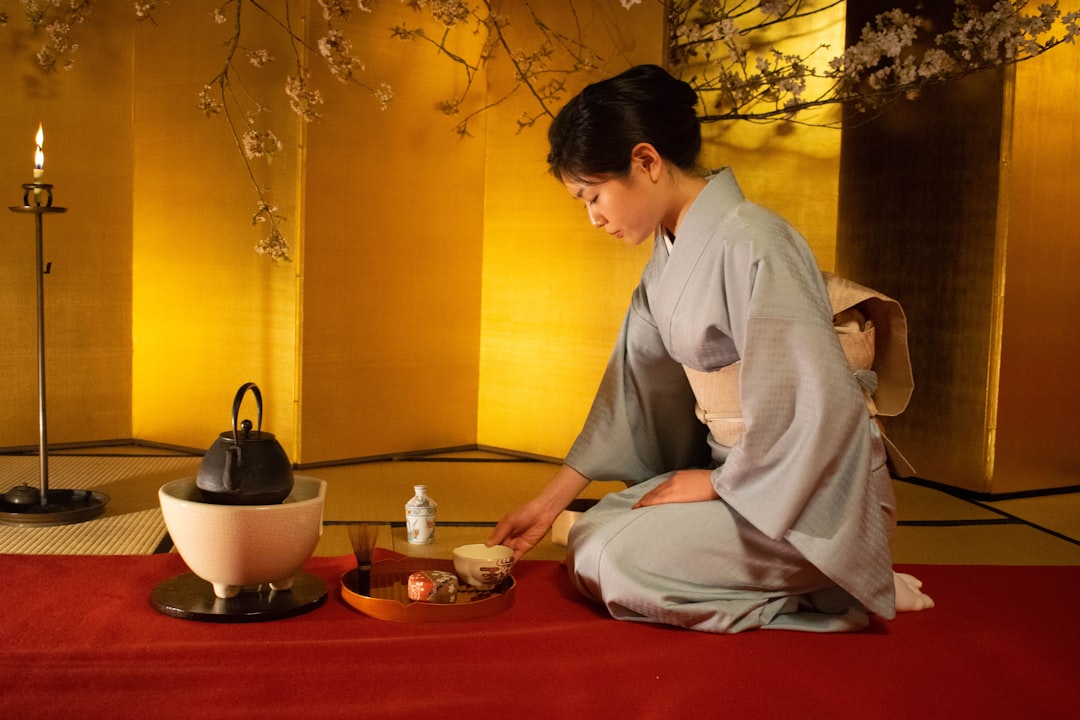

Photo by Roméo A. on Unsplash
Discovering the Way of Tea in Japan’s Cultural Capital
Few experiences capture the soul of Japan quite like the traditional tea ceremony, known as chanoyu or sado—the Way of Tea. And there is no better place to experience this centuries-old art form than Kyoto, the city where tea ceremony culture flourished under the guidance of masters like Sen no Rikyu. This guide will walk you through everything you need to know before booking your own tea ceremony experience in Kyoto, from the history behind the ritual to practical etiquette tips that will help you feel confident and respectful during your visit.
What Is the Japanese Tea Ceremony?
At its core, the tea ceremony is a choreographed ritual of preparing and serving matcha, powdered green tea, to guests. But reducing it to just tea preparation misses the point entirely. Chanoyu is a meditative practice rooted in Zen Buddhism that emphasizes mindfulness, respect, purity, and tranquility—four principles often summarized by the phrase wa, kei, sei, jaku (harmony, respect, purity, tranquility).
Every movement in the ceremony, from the folding of the silk cloth to the turning of the tea bowl, has meaning and purpose. Hosts spend years, sometimes decades, mastering these movements until they become effortless and graceful. For guests, the ceremony offers a rare opportunity to slow down, appreciate small details, and be fully present in the moment.
A Brief History Rooted in Kyoto
Tea was introduced to Japan from China centuries ago, initially valued for its medicinal properties among Buddhist monks. Over time, the practice of drinking tea evolved into an elaborate social and spiritual ritual. It was in Kyoto that tea master Sen no Rikyu refined the ceremony into the minimalist, wabi-sabi-inspired form still practiced today. Rikyu emphasized simplicity, rustic beauty, and the idea that a single meeting between host and guest should be treasured as a once-in-a-lifetime encounter—a concept known as ichigo ichie.
Kyoto remains the spiritual home of tea ceremony schools, including the influential Urasenke, Omotesenke, and Mushakoji-senke lineages, all of which trace their roots back to Rikyu’s teachings.
Where to Experience Tea Ceremony in Kyoto
Kyoto offers tea ceremony experiences ranging from casual introductory sessions to formal, multi-hour rituals held in historic teahouses. Here are the main types of venues you’ll encounter:
Traditional Teahouses and Temples
Several Kyoto temples and dedicated teahouses offer authentic ceremonies conducted by trained practitioners. These experiences often take place in tatami-floored rooms overlooking Japanese gardens, providing an immersive atmosphere that transports visitors back in time. Some historic districts near Gion and Higashiyama are particularly known for hosting these venues.
Cultural Experience Studios
For travelers short on time or new to Japanese customs, cultural studios throughout the city offer beginner-friendly tea ceremony experiences. These sessions typically last 45 minutes to an hour and include an explanation of the history and etiquette, making them ideal for first-timers.
Machiya Townhouse Experiences
Restored traditional wooden townhouses, called machiya, have become popular venues for intimate tea ceremony sessions. These settings offer a cozy, authentic glimpse into how tea ceremonies might have been performed in a private Kyoto home generations ago.
What to Expect During the Ceremony
While specific details vary by school and venue, most tea ceremony experiences in Kyoto follow a similar general structure:
- Arrival and purification: Guests often wash their hands at a stone basin before entering the tea room, symbolizing the cleansing of body and mind.
- Entering the tea room: Traditional tea rooms have small entrances requiring guests to bow low, a practice meant to instill humility regardless of social status.
- Admiring the alcove: Guests typically pause to appreciate the tokonoma, an alcove displaying a hanging scroll and seasonal flower arrangement chosen to reflect the time of year.
- Serving of sweets: A small traditional sweet, or wagashi, is served before the tea to balance the bitterness of matcha.
- Preparation of the tea: The host performs a precise sequence of movements to whisk the matcha into a frothy consistency using a bamboo whisk called a chasen.
- Drinking the tea: Guests receive the bowl, rotate it slightly to avoid drinking from its front side, and sip the tea in a few unhurried motions.
Essential Tea Ceremony Etiquette Tips
You don’t need to be an expert to participate respectfully. Here are some practical tips to keep in mind:
- Wear clean socks without holes, as shoes are removed before entering tatami rooms.
- Avoid wearing strong perfume or cologne, since it can interfere with the delicate aroma of the tea and sweets.
- Follow your host’s lead if you’re unsure when to bow, eat, or drink—most hosts are happy to guide first-time guests.
- Compliment the tea bowl or utensils if invited to do so; admiring the craftsmanship is considered polite.
- Turn off or silence your phone before entering the tea room to preserve the tranquil atmosphere.
Choosing the Right Tea Ceremony Experience
When selecting a tea ceremony in Kyoto, consider the following factors:
Language Support
Many venues catering to international visitors offer English-language explanations, which greatly enhance understanding of the ritual’s symbolism and history.
Group Size
Smaller group sessions or private ceremonies tend to offer a more intimate and immersive experience compared to large tour groups, though they may come at a higher price point.
Formality Level
Decide whether you want a brief, casual introduction or a longer, more formal ceremony that includes a full kaiseki-inspired presentation of sweets and multiple tea preparations.
Best Time of Year to Experience Tea Ceremony in Kyoto
Because tea ceremony venues are typically indoors, this is very much a year-round activity. That said, each season brings its own charm:
- Spring: Cherry blossom motifs often appear in the sweets and scroll displays.
- Summer: Cooling techniques and lighter-flavored wagashi are used to complement the season.
- Autumn: Maple leaf designs and warm, earthy tones dominate the seasonal decor.
- Winter: Cozy indoor settings paired with warming bowls of matcha make for a particularly comforting experience.
Final Thoughts
A traditional tea ceremony in Kyoto offers far more than a cup of matcha—it’s an invitation to slow down and appreciate mindfulness, craftsmanship, and hospitality in their purest forms. Whether you choose a brief introductory session or a full formal ceremony, taking part in this centuries-old ritual is one of the most meaningful ways to connect with Japanese culture during your visit to Kyoto. Approach the experience with curiosity and an open mind, and you’ll walk away with a deeper appreciation for the quiet beauty found in Japan’s Way of Tea.