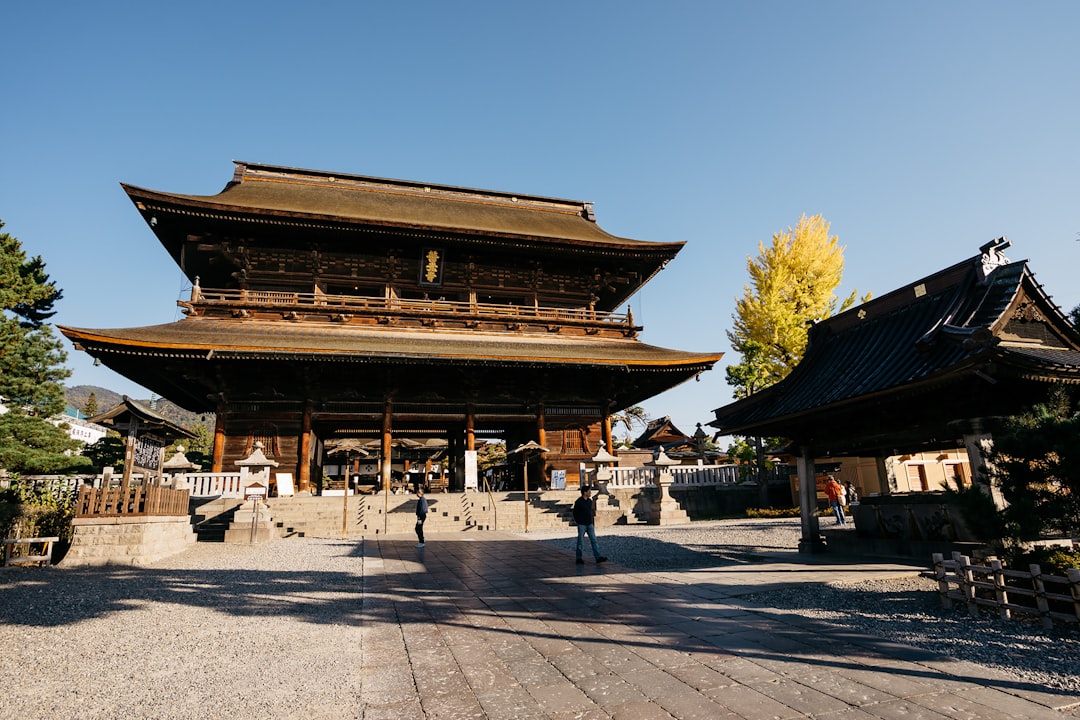
Why Stay at a Zenkoji Temple Lodging in Nagano
Long before Nagano became known for its ski resorts and hot springs, it was already a major pilgrimage destination thanks to Zenkoji Temple, one of Japan’s oldest and most revered Buddhist temples. Unlike many famous temples that only welcome day visitors, Zenkoji is surrounded by a cluster of shukubo, or temple lodgings, that let travelers spend the night within its sacred precinct. Staying overnight here is not simply a budget-friendly accommodation choice; it is an invitation to slow down, follow the rhythms of monastic life, and experience one of the most memorable mornings you will ever have in Japan.
This guide walks you through everything you need to know about booking a Zenkoji temple stay, what the early morning service involves, and how to make the most of your visit to this ancient corner of Nagano.
A Brief Introduction to Zenkoji Temple
Zenkoji Temple has welcomed pilgrims for well over a thousand years and holds a uniquely inclusive place in Japanese Buddhism. It is not affiliated with a single sect, meaning worshippers of any Buddhist tradition, and indeed visitors of any faith or none, are welcome to pray and participate in its rituals. At the heart of the temple is a secret Buddhist image said to be the very first Buddhist statue brought to Japan, which is never shown to the public, adding an air of mystery that has drawn the faithful across the centuries.
The main hall, a National Treasure of Japan, sits at the top of a long approach lined with shops, incense stalls, and old wooden inns. Many of those inns are the shukubo temple lodgings that allow guests to stay overnight, eat vegetarian temple cuisine, and join the monks for the celebrated morning prayer service known as Oasagatsu.
What Is a Shukubo Temple Stay
A shukubo is temple lodging traditionally used by pilgrims visiting a sacred site. At Zenkoji, dozens of these lodgings operate around the temple grounds, each run by a resident priest and his family. While the buildings vary in age and comfort level, they generally share a few common features.
- Simple Japanese-style rooms with tatami flooring and futon bedding
- Shared or private bathing facilities, sometimes with hot spring-style baths
- Vegetarian temple cuisine, known as shojin ryori, served for dinner and breakfast
- Access to the temple’s exclusive early morning prayer service
- A quiet, contemplative atmosphere distinct from typical hotels or ryokan
Staying at a shukubo is less about luxury and more about immersion. Guests are, for one night, treated as part of the temple community rather than as outside tourists.
The Morning Experience: Oasagatsu
The undisputed highlight of any Zenkoji temple stay is the morning service, called Oasagatsu, which takes place before sunrise every single day of the year regardless of season or weather. Guests staying at the shukubo are given priority seating inside the main hall, a privilege not extended to day-trip visitors who simply drop by later in the day.
What Happens During the Ceremony
Before dawn, guests gather in the dim, incense-filled main hall as resident monks chant sutras in deep, resonant voices. The ceremony blends solemn ritual with moments of genuine warmth. Partway through the service, the head priest or priestess walks down the central aisle, and pilgrims kneeling along the path may receive a gentle touch on the head or shoulders, a blessing believed to bring good fortune and spiritual connection. Watching the flicker of candlelight against the ancient wooden pillars while the sutra chanting fills the hall is an experience that lingers long after you leave Nagano.
Okaidan Meguri: The Pitch-Black Tunnel Walk
Many guests combine the morning service with Okaidan Meguri, a walk through a completely dark underground corridor beneath the main altar. Visitors feel their way along the wall in total darkness searching for a metal key-shaped handle, said to be directly below the temple’s hidden Buddhist image. Finding it is believed to guarantee a connection to paradise in the afterlife. Even for skeptics, the experience is a genuinely disorienting and memorable sensory adventure that pairs beautifully with the quiet spirituality of the morning service.
Evening Rituals and Temple Cuisine
The morning service is unforgettable, but the night before sets the tone for the entire stay. After checking in during the afternoon, guests typically enjoy a shojin ryori dinner, a meticulously prepared vegetarian meal built around seasonal vegetables, tofu, and mountain vegetables rather than meat or fish. Each dish reflects Buddhist principles of mindfulness and non-harm, and the presentation is often as beautiful as it is delicious.
Many lodgings also offer an evening chance to speak with the resident priest, who may explain temple history, the meaning behind the rituals, or answer questions about Buddhist philosophy. Some shukubo offer optional sutra copying, called shakyo, or seated meditation sessions in the evening, giving guests a fuller taste of temple life beyond the morning ceremony.
How to Book a Zenkoji Temple Stay
Booking a shukubo is somewhat different from booking a standard hotel. Here are a few practical tips:
- Reservations are often made by phone or through the temple’s own booking channels rather than major hotel websites, though some listings do appear on travel booking platforms
- Book several weeks in advance during peak travel seasons such as cherry blossom season, summer holidays, and autumn foliage weeks
- Confirm whether dinner and breakfast are included, as some lodgings offer room-only plans
- Ask whether English support is available if you do not speak Japanese, as some smaller family-run lodgings may have limited English
- Check-in times are usually in the afternoon, and the morning service requires an early wake-up, often before six in the morning
Tips for a Smooth and Respectful Stay
Because you are staying within an active religious site, a little preparation goes a long way toward making your visit comfortable and respectful.
- Pack layers, as the main hall can be cold in the early morning hours regardless of the season
- Bring a small flashlight or use your phone’s light sparingly for the Okaidan Meguri tunnel walk, though it is meant to be experienced in total darkness
- Dress modestly and keep voices low within the temple grounds, especially during ceremonies
- Follow the lead of temple staff regarding where to sit, when to bow, and how to receive the priest’s blessing
- Set an alarm the night before, since the morning service begins very early and lodgings do not always provide wake-up calls
Exploring Nakamise Street and Nagano City
After the morning service, take time to stroll down Nakamise-dori, the atmospheric approach street leading to the temple gate. Lined with traditional shops selling local crafts, pickled vegetables, and warm breakfast snacks, it is the perfect place to enjoy a slow morning coffee or a bowl of local soba noodles. Nagano City itself offers easy access to nearby attractions, from the Jigokudani Monkey Park’s famous snow-bathing macaques to the Japanese Alps beyond, making a Zenkoji temple stay an excellent base for a broader Nagano itinerary.
Final Thoughts
A night at a Zenkoji shukubo offers something increasingly rare in modern travel: an unhurried, deeply authentic encounter with living tradition. Waking before sunrise to sit in candlelit stillness, feeling the resonance of centuries-old chanting, and stepping out afterward into the quiet morning streets of Nagano creates memories that no ordinary hotel stay can replicate. Whether you are drawn by spiritual curiosity, cultural interest, or simply the desire for a uniquely peaceful travel experience, a Zenkoji temple stay and its unforgettable morning ceremony deserve a place on any Japan itinerary.
Photo by Markus Winkler on Unsplash