Why Kyoto’s Hostel Scene Is Unlike Anywhere Else in Japan
Kyoto occupies a strange and wonderful place in the backpacker universe. It is simultaneously one of the most traditional cities on earth, home to thousands of temples, geisha districts, and centuries-old customs, and one of the most vibrant hubs for international budget travelers in Asia. This collision of ancient heritage and modern wanderlust has produced a hostel culture that feels distinctly its own: quieter than Osaka’s party scene, friendlier than Tokyo’s transient sprawl, and deeply infused with a sense of cultural curiosity. If you are planning a backpacking trip through Japan, understanding Kyoto’s hostel ecosystem will transform your stay from a mere place to sleep into one of the highlight experiences of your journey.
The Evolution of Kyoto’s Backpacker Community
Kyoto has long attracted foreign visitors due to its UNESCO World Heritage sites, but the modern hostel boom really took shape as budget travelers began seeking authentic, community-driven alternatives to sterile business hotels. What emerged was a network of small, independently run guesthouses and hostels, many housed in renovated machiya (traditional wooden townhouses), that combined affordability with genuine cultural immersion. Unlike hostels in more nightlife-driven cities, Kyoto’s backpacker spots tend to attract a specific kind of traveler: history lovers, photographers, slow travelers, and those doing extended trips through Japan who want a home base that feels warm rather than transactional.
Machiya Hostels: Sleeping Inside Living History
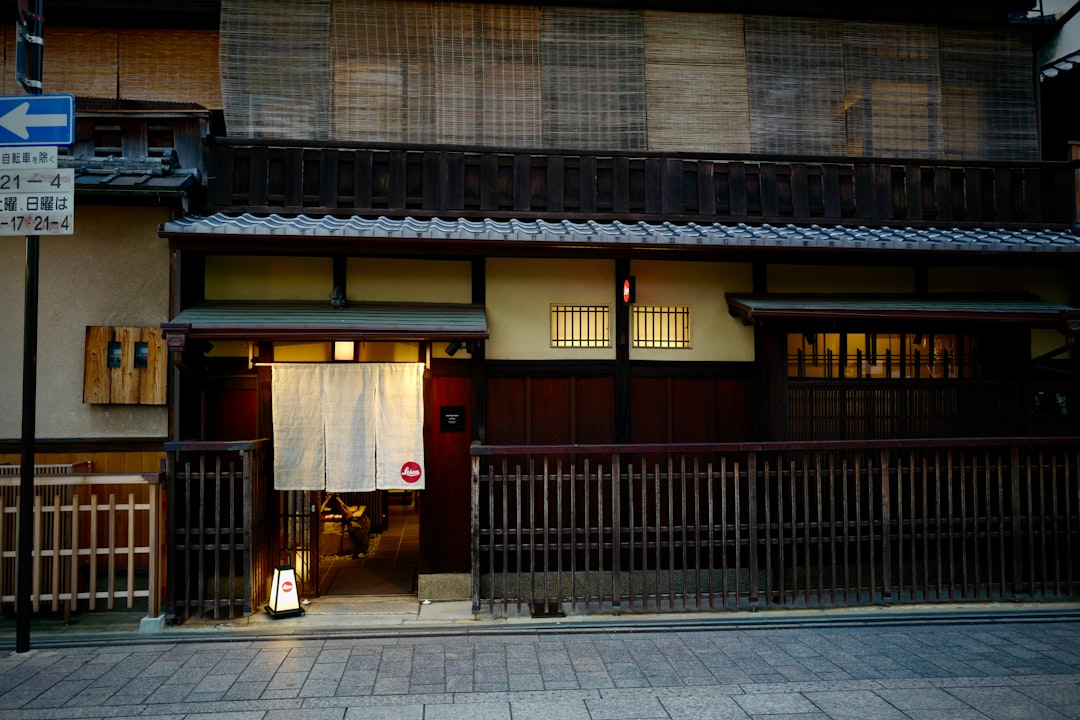
One of the defining features of Kyoto’s accommodation scene is the machiya hostel. These converted townhouses, often over a century old, retain original wooden beams, sliding shoji doors, and small interior courtyards, while offering dorm beds, shared kitchens, and communal lounges. Staying in one is not just budget-friendly, it is an immersive cultural experience. Many machiya hostels are tucked into quiet residential neighborhoods near Nishiki Market, Gion, or the Kyoto Imperial Palace, giving guests a chance to feel like temporary locals rather than tourists passing through.
What Makes the Backpacker Community in Kyoto So Tight-Knit
Ask any long-term backpacker in Japan and they will often say the same thing: Kyoto is where they made their best travel friendships. Several factors contribute to this unusually strong sense of community.
- Shared communal spaces: Many hostels design their common rooms and kitchens as the heart of the building, encouraging guests to cook together, share travel tips, and swap stories over cheap convenience store beer.
- Long average stays: Because Kyoto rewards slow exploration, travelers often stay three to five nights rather than a quick one-night stopover, giving more time to bond with fellow guests.
- Cultural workshops and events: Numerous hostels host tea ceremonies, kimono nights, sake tastings, or free walking tour meetups, creating natural icebreakers for solo travelers.
- Staff who double as guides: Many hostel staff members are themselves former backpackers or long-term expats who genuinely enjoy recommending hidden temples, izakayas, and off-the-beaten-path viewpoints.
Best Neighborhoods for Hostel Hunting in Kyoto
Downtown Kyoto (Shijo-Kawaramachi Area)
This is the most convenient base for first-time visitors, placing you within walking distance of Nishiki Market, Pontocho’s atmospheric dining alley, and countless bars. Hostels here tend to be social and lively, ideal for solo travelers wanting an easy introduction to the city.
Higashiyama and Gion
For those who want to wake up steps away from stone-paved streets, wooden teahouses, and the geisha district’s evening lantern glow, this area offers a more atmospheric, slightly quieter hostel experience. Expect smaller properties with a strong traditional aesthetic.
Kyoto Station Area
Practical rather than picturesque, hostels near Kyoto Station appeal to travelers prioritizing transit convenience, especially those catching early Shinkansen trains or arriving late at night. The community vibe here is friendly but slightly more transient.
Northern Kyoto (Near Kinkaku-ji and Demachiyanagi)
A favorite among longer-term travelers and those studying Japanese, this area offers a calmer, more residential feel, with hostels that often attract a mix of students, digital nomads, and slow travelers seeking a quieter alternative to the tourist core.
Hostel Etiquette Every Backpacker Should Know
Japan’s hospitality culture, known as omotenashi, extends into hostel life, and travelers are expected to reciprocate with mindful behavior. Understanding a few key etiquette points will help you integrate smoothly into the community.
- Always remove your shoes at the entrance, even in hostels, and use provided slippers in communal areas.
- Keep noise to a minimum after evening hours, particularly in mixed dorms, since many properties are located in quiet residential neighborhoods.
- Clean up promptly after using shared kitchens, as communal cooking spaces are a cornerstone of hostel social life and are respected accordingly.
- Separate your trash correctly, following Japan’s detailed recycling system, which most hostels display clearly near disposal bins.
- Be mindful of personal space in dorms, using curtains or partitions if provided, and speaking softly during early morning or late night hours.
Budgeting for a Kyoto Hostel Stay
Kyoto remains one of the more affordable major cities in Japan for budget accommodation, especially compared to Tokyo. Dorm beds typically range from budget to mid-range pricing depending on location and season, with private rooms available at a premium in many guesthouses for couples or those wanting more privacy while still enjoying communal facilities. Booking a few weeks ahead is wise during peak cherry blossom and autumn foliage seasons, as availability tightens quickly and prices rise accordingly.
Making the Most of the Community Experience
To truly tap into Kyoto’s backpacker culture, consider these approaches during your stay.
- Join a hostel-organized walking tour or bicycle rental group, which often doubles as a social outing with fellow travelers.
- Cook a group dinner using ingredients from Nishiki Market, turning grocery shopping into a shared cultural exchange.
- Attend a hostel’s evening events, such as language exchange nights or board game gatherings, which are common in the downtown and Higashiyama areas.
- Stay an extra night if you feel a connection with fellow travelers, since Kyoto’s slower pace rewards spontaneity more than rigid itineraries.
Final Thoughts on Kyoto’s Hostel Culture
What sets Kyoto apart from other backpacker hubs is the seamless blend of deep cultural tradition with genuine, low-key community warmth. Whether you are sleeping in a century-old machiya, sharing sake with strangers who quickly become friends, or simply swapping temple recommendations over breakfast, the city’s hostel scene offers something increasingly rare: a slow, meaningful way to experience Japan alongside a community of like-minded travelers. For anyone planning an extended trip through the country, Kyoto’s hostels are not just a place to rest, they are an essential part of the journey itself.
Photo by Kazuo ota on Unsplash