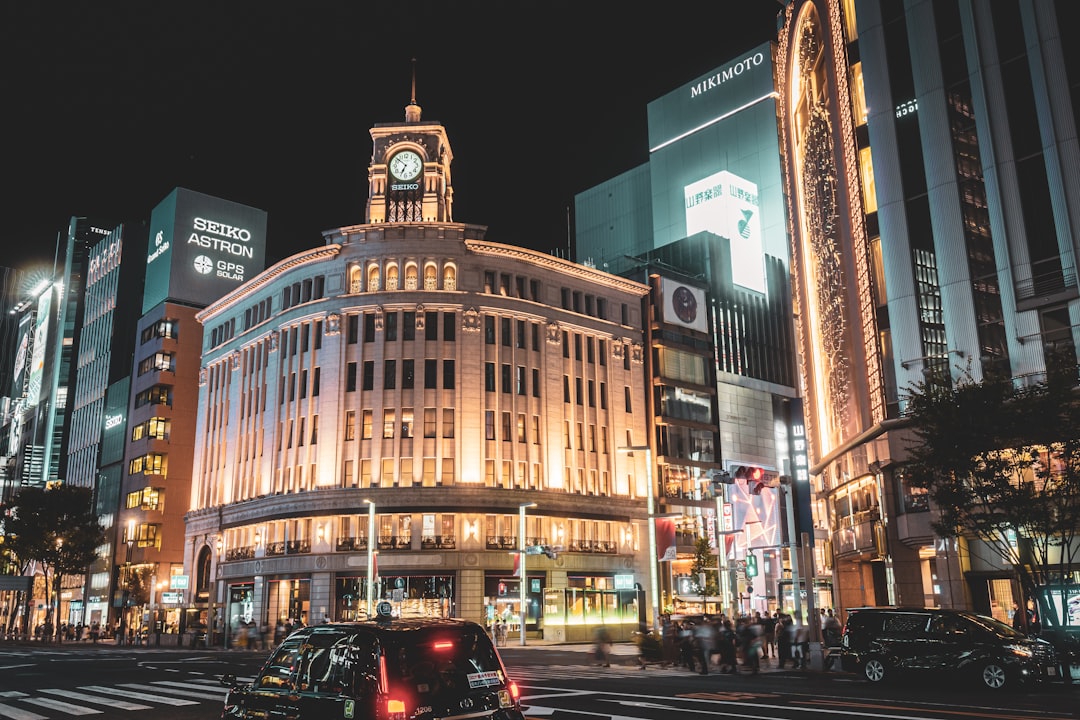

Photo by Se. Tsuchiya on Unsplash
Discovering Yanaka: Tokyo’s Best-Kept Secret
While most visitors to Tokyo flock to the neon-drenched streets of Shibuya or the fashion runways of Harajuku, a very different Tokyo quietly persists just a few train stops away. Yanaka, part of the larger Yanesen district (an amalgamation of Yanaka, Nezu, and Sendagi), is one of the few areas of the capital that survived both the 1923 Great Kanto Earthquake and the firebombing of World War II relatively unscathed. The result is a neighborhood where wooden houses lean companionably against one another, cats doze in temple courtyards, and the pace of life feels closer to a small provincial town than a megacity of over 13 million people.
This Yanaka walking guide is designed for travelers who want to experience an authentic, unhurried side of Tokyo. Whether you have half a day or a full afternoon, this itinerary will lead you through atmospheric alleyways, historic temples, artisan shops, and some of the best local snacks in the city.
Why Yanaka Deserves a Spot on Your Itinerary
Yanaka is often described as one of Tokyo’s “shitamachi” (old downtown) areas, a term that evokes nostalgia for the low-city culture of merchants, craftspeople, and close-knit communities. Unlike heavily reconstructed districts, Yanaka retains much of its prewar architecture, narrow lanes, and traditional wooden storefronts. It’s also famous among locals for its abundance of cats, temples, and old-fashioned sweet shops, making it a favorite subject for photographers and a peaceful retreat for anyone needing a break from the intensity of central Tokyo.
Getting to Yanaka
The neighborhood is easily reached from several stations, each offering a slightly different entry point into the area:
- JR Nippori Station (Yamanote Line) — the most popular starting point, just a few minutes from Ueno
- Sendagi Station (Chiyoda Line) — ideal if you want to start from the quieter northern edge
- Nezu Station (Chiyoda Line) — perfect for combining Yanaka with a visit to Nezu Shrine
Because the area is compact and walkable, most visitors choose to begin at Nippori and wander south toward Nezu, or vice versa, covering the entire district in a leisurely two to three hours.
A Suggested Yanaka Walking Route
1. Start at Yanaka Ginza Shopping Street
A short walk from Nippori Station brings you to Yanaka Ginza, a lively pedestrian shopping street lined with small shops selling everything from grilled skewers and croquettes to handmade pottery and traditional sweets. This is the beating heart of the neighborhood, and even though it draws its share of visitors, it retains a genuinely local feel. Look out for the “Yuyake Dandan” staircase at the entrance, a popular photo spot named for its views of the sunset over the shopping street.
Don’t be surprised if you spot several cat-themed shops here; Yanaka has long been associated with stray and neighborhood cats, and local businesses have embraced this feline reputation with cat-shaped sweets, cat statues, and cat-themed souvenirs.
2. Wander the Backstreets of Yanaka
Beyond the main shopping street, the real magic of Yanaka lies in its maze of narrow backstreets. Here you’ll find old wooden houses, small shrines tucked between buildings, and community gardens maintained by residents. Take time to wander without a fixed destination — this is one of the few areas in Tokyo where getting slightly lost is part of the charm. Keep an eye out for machiya-style buildings, some of which have been converted into cafes, galleries, and guesthouses while preserving their original facades.
3. Visit Yanaka Cemetery
It might seem unusual to include a cemetery on a sightseeing route, but Yanaka Cemetery is one of the most peaceful and beautiful spots in the entire neighborhood. Established in the late 19th century, this expansive graveyard is crisscrossed by tree-lined paths and is especially stunning in spring when the cherry blossoms bloom along its central avenue. Several notable historical figures are buried here, and the quiet, contemplative atmosphere offers a striking contrast to the bustling shopping street nearby.
4. Explore Tennoji Temple
Adjacent to the cemetery, Tennoji Temple is a quiet Buddhist temple with a history stretching back centuries. Its large bronze Buddha statue, cast in the Edo period, is a highlight for those interested in Japan’s religious and artistic heritage. The temple grounds are rarely crowded, making it an excellent place to pause and reflect before continuing your walk.
5. Discover Nezu Shrine
If your route takes you toward Nezu Station, don’t miss Nezu Shrine, one of Tokyo’s oldest shrines with a history said to date back nearly two thousand years. The shrine is renowned for its tunnel of vermillion torii gates, reminiscent of a miniature Fushimi Inari, as well as its azalea garden that bursts into vivid color in late spring. Even outside of azalea season, the shrine’s architecture and serene ponds make it a worthwhile stop.
Where to Eat and Drink in Yanaka
Yanaka is a wonderful place to sample traditional Japanese snacks and small-batch treats. Look for menchi-katsu (fried minced meat cutlets) sold from street-side stalls, freshly grilled senbei (rice crackers) made in shopfront ovens, and taiyaki, the fish-shaped pastry filled with sweet red bean paste. Small kissaten (old-style coffee shops) dot the area, offering a nostalgic setting for a coffee break amid retro decor and jazz records.
For a more substantial meal, seek out small family-run eateries specializing in soba noodles, tempura, or unagi (grilled eel), a specialty that has been served in this part of Tokyo for generations. Many of these restaurants have operated for decades, with recipes and techniques passed down through multiple generations of the same family.
Shopping for Crafts and Souvenirs
Yanaka is home to numerous artisan workshops and boutique stores selling handmade goods, including ceramics, textiles, and woodblock prints. Unlike mass-produced souvenirs found in more touristy districts, many of the items sold here are crafted locally by artists who have set up studios in the neighborhood’s historic buildings. This makes Yanaka an excellent place to find a meaningful, one-of-a-kind souvenir rather than a generic trinket.
Best Time to Visit Yanaka
Yanaka is a rewarding destination throughout the year. Spring brings cherry blossoms to Yanaka Cemetery and azaleas to Nezu Shrine, while autumn drapes the neighborhood in warm red and gold foliage. Summer evenings are pleasant for wandering the backstreets once the heat of the day subsides, and winter offers clear skies and thinner crowds, allowing for unhurried exploration of the temples and shrines. Early mornings, regardless of season, are particularly magical, with soft light filtering through the narrow lanes before the shops open and the day’s visitors arrive.
Tips for Exploring Yanaka Respectfully
- Keep noise levels low, especially in residential backstreets where people live day to day
- Be mindful when photographing local residents, their homes, or their shops
- Support small businesses by purchasing snacks or crafts rather than simply browsing
- Wear comfortable shoes, as the area involves considerable walking on uneven, narrow streets
- Carry cash, as many small shops and food stalls do not accept credit cards
Final Thoughts on Exploring Yanaka
In a city famous for its relentless pace and futuristic skyline, Yanaka offers a rare and precious counterpoint: a neighborhood where history feels tangible, where cats roam freely, and where the rhythms of daily life have changed little over the decades. A walk through Yanaka is not about ticking off major landmarks but about absorbing atmosphere — the smell of grilling senbei, the sound of wind chimes on a wooden porch, the sight of sunlight filtering through cemetery trees. For travelers seeking a deeper, more textured understanding of Tokyo beyond its famous districts, Yanaka is an essential and unforgettable addition to any itinerary.