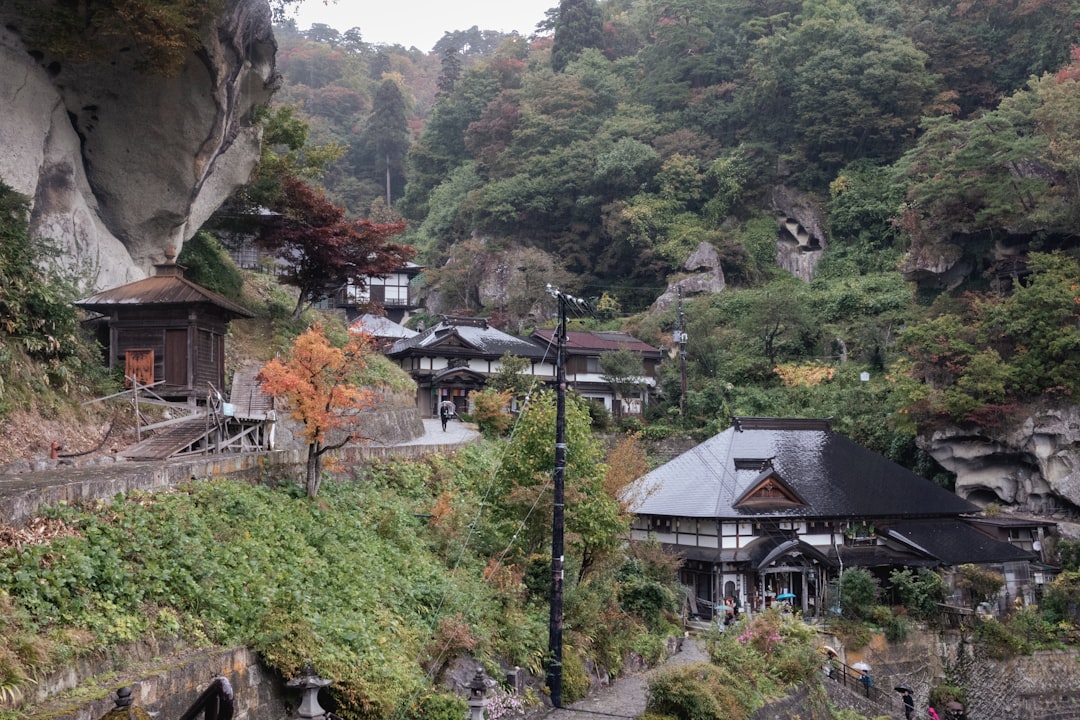
Introduction to Yamadera
Perched dramatically on a cliffside in Yamagata Prefecture, Yamadera (literally “Mountain Temple”) is one of the most rewarding day trips in the Tohoku region. Officially named Risshaku-ji, this ancient Buddhist temple complex was founded in the ninth century and later immortalized by the haiku master Matsuo Basho, who wrote one of his most famous poems here while marveling at the profound silence broken only by the cry of cicadas. Today, Yamadera remains a beloved pilgrimage and hiking destination, offering visitors a chance to climb over a thousand stone steps through a forest of ancient cedar trees, passing weathered shrines, moss-covered statues, and dramatic rock formations along the way. This guide covers everything you need to know to plan a memorable hike up Yamadera, from getting there to what to expect at the summit.
Why Yamadera Is Worth the Climb
Yamadera is not simply a temple you visit; it is an experience you climb. The mountain path is lined with roughly 1,000 stone steps that wind upward through cedar forest, past small halls, weathered gravestones, and carved Buddhist figures tucked into rocky niches. The atmosphere is contemplative and almost otherworldly, especially in the early morning when mist clings to the trees or in autumn when the maple leaves turn brilliant shades of red and gold. Unlike many temples that can be reached by car or bus directly to the entrance, Yamadera rewards physical effort with spiritual and visual payoff, culminating in sweeping views over the Tachiya River valley from the Godaido observation platform near the summit.
How to Get to Yamadera
Yamadera is easily accessible by train, making it a popular stop for travelers exploring Tohoku or those taking a detour from Sendai or Yamagata City. The most common route is via the JR Senzan Line, which connects Sendai Station and Yamagata Station, stopping directly at Yamadera Station. From Sendai, the journey takes approximately one hour, while from Yamagata City it takes about 20 to 30 minutes. Yamadera Station itself is charming, with a small platform offering your first glimpse of the cliffside temple buildings in the distance. The temple entrance is just a short walk from the station, making this one of the most convenient mountain hikes in Japan to reach without a car.
What to Expect on the Hike
The Base and Entrance
The hike begins near the Konpon Chudo Hall, the main hall of the temple complex, where visitors pay a small entrance fee to access the mountain path. From here, the stone steps begin almost immediately, so it is worth taking a moment to prepare mentally and physically before starting the ascent.
The Stone Steps
The climb consists of roughly 1,000 stone steps, though the exact count varies depending on how you measure it. The path is well maintained and clearly marked, winding through dense cedar forest that provides shade for much of the year. Along the way, you will pass numerous smaller shrines, stone lanterns, and Jizo statues, many wrapped in red bibs as offerings from visitors. Some sections pass beneath towering rock faces, while others open up to reveal glimpses of the valley below.
Niomon Gate and Upper Temple Grounds
About two-thirds of the way up, hikers reach the Niomon Gate, a striking wooden structure guarded by fierce statues representing protective deities. Beyond this gate, the path leads to the upper temple grounds, including the Okunoin Hall and several smaller structures used for meditation and prayer.
Godaido Observation Deck
The highlight of the hike for many visitors is the Godaido, a wooden platform built directly into the cliffside that offers one of the most spectacular panoramic views in the Tohoku region. From here, you can look out over the valley, the winding river, and the rooftops of Yamadera village below. This is the perfect spot to pause, catch your breath, and take memorable photographs.
Best Time to Hike Yamadera
Yamadera can be enjoyed throughout the year, and each season offers a distinctly different atmosphere. Spring brings fresh green leaves and mild hiking temperatures, making it a comfortable time to climb. Summer offers the lush, cicada-filled ambiance that inspired Basho’s famous haiku, though the humidity can make the climb more strenuous. Autumn is widely considered the most beautiful season, as the surrounding hillsides burst into vivid red, orange, and yellow foliage, drawing photographers and nature lovers from across the country. Winter transforms Yamadera into a quiet, snow-dusted landscape, with fewer crowds and a serene, almost meditative atmosphere, though the stone steps can be slippery, so sturdy footwear is essential.
Tips for Hiking Yamadera
- Wear comfortable, sturdy walking shoes, as the stone steps can be uneven and slippery, especially after rain or snow.
- Start early in the day to avoid crowds and enjoy softer morning light for photography.
- Bring water, particularly during summer months when humidity can make the climb tiring.
- Allow at least one to two hours for the round trip, including time to rest and take photos.
- Wear layered clothing, as temperatures can vary significantly between the base and the upper viewpoints.
- Check train schedules in advance, as the Senzan Line does not run as frequently as urban train lines.
Exploring the Village Below
Before or after your hike, take time to explore the small village surrounding Yamadera Station. Here you will find traditional shops selling local snacks, souvenirs, and the regional specialty konnyaku, a jelly-like food made from konjac root that is often served skewered and grilled. Several small cafes offer a chance to rest and enjoy a warm drink while looking out over the river and mountain scenery. The village’s unhurried pace complements the meditative experience of the temple hike itself.
Combining Yamadera With Other Destinations
Yamadera pairs well with other attractions in Yamagata Prefecture and the broader Tohoku region. Many travelers combine a visit with Yamagata City, known for its hot springs and local cuisine, or extend their trip to include Zao Onsen, famous for its outdoor hot spring baths and, in winter, its striking snow monsters formed by frost-covered trees. Because Yamadera is directly on the Senzan Line between Sendai and Yamagata, it makes an easy and logical stop for travelers moving between these two cities.
Final Thoughts
Yamadera offers a rare combination of physical challenge, natural beauty, and spiritual history that few other destinations in Japan can match. Climbing its ancient stone steps through cedar forest to reach panoramic mountain views is an experience that rewards patience and effort, much as it has for pilgrims and poets for centuries. Whether you visit during the fiery colors of autumn, the quiet snows of winter, or the cicada-filled warmth of summer, Yamadera remains a timeless and unforgettable stop on any Tohoku itinerary.
Photo by Tuan P. on Unsplash