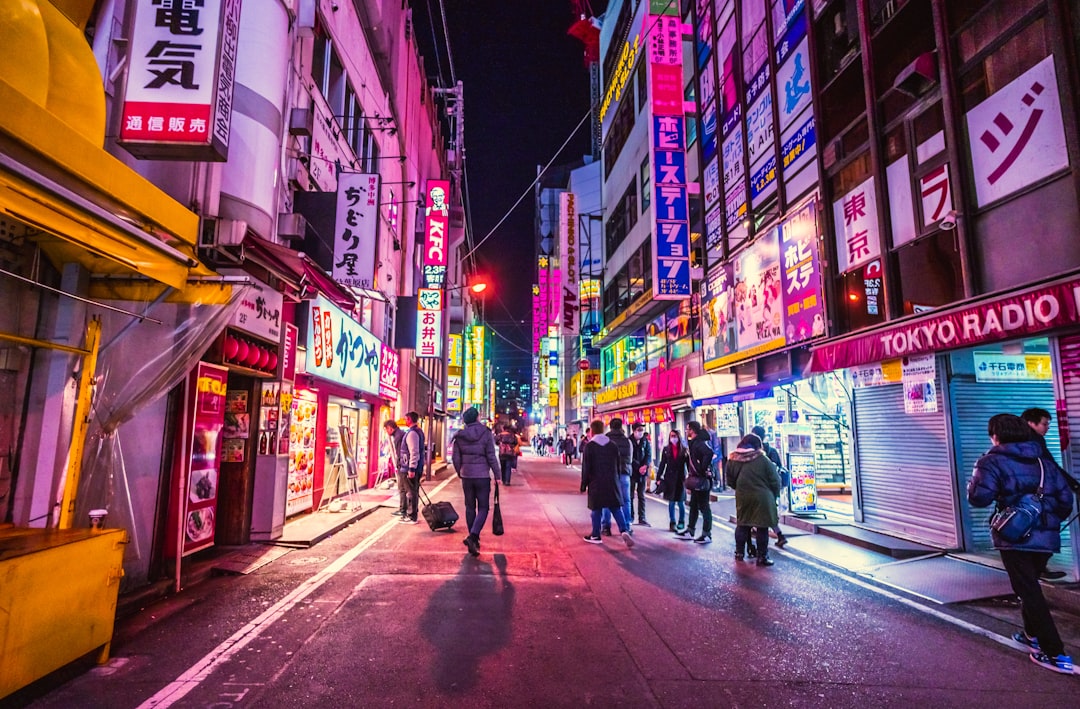

Photo by Jezael Melgoza on Unsplash
Where Fiction Meets the Neon: Kamurocho and Kabukicho
If you have spent countless hours guiding Kiryu Kazuma through back-alley brawls, karaoke marathons, and heartfelt side stories in the Yakuza (Ryu Ga Gotoku) series, you already know Kamurocho better than most tourist districts. What many fans discover only later is that Kamurocho is not a pure fantasy creation. It is a lovingly detailed, slightly exaggerated mirror of Kabukicho, the real entertainment district in Tokyo’s Shinjuku ward. Walking through Kabukicho for the first time feels like stepping directly into the game, and for fans, that experience is nothing short of magical.
This guide breaks down the real-world locations that inspired Kamurocho, explains how closely the game map matches reality, and gives you practical tips for planning your own Yakuza-themed pilgrimage through Tokyo.
Kabukicho: The Real Kamurocho
Kabukicho is Japan’s largest and most famous entertainment and red-light district, packed with hostess clubs, izakayas, arcades, love hotels, and neon signage stacked several stories high. The developers at Ryu Ga Gotoku Studio used Kabukicho as their primary reference, mapping streets, building layouts, and even specific shop facades with remarkable accuracy. While the in-game city is compressed and rearranged for gameplay purposes, the atmosphere, sounds, and visual density are unmistakably lifted from this one square kilometer of Shinjuku.
Godzilla Road and the Toho Building
One of the most recognizable real-life landmarks is the giant Godzilla head perched atop the Toho Cinemas building on what fans nickname Godzilla Road. This street corresponds almost exactly to Kamurocho’s central Tenkaichi Street area, where much of the series’ drama unfolds. Standing beneath the massive Godzilla statue at night, surrounded by flashing signs, is often the moment travelers say the game truly comes alive.
The Golden Gai
Just a short walk from the main Kabukicho intersection sits Golden Gai, a maze of narrow alleys lined with tiny, intimate bars, many seating only a handful of customers. This cramped, atmospheric warren clearly influenced several of Kamurocho’s back-alley bar sequences, where Kiryu ducks into hole-in-the-wall establishments to chat with quirky regulars. Visiting Golden Gai today lets you recreate that exact feeling, minus the yakuza confrontations.
Hanamichi Street and Shopping Arcades
Kamurocho’s main pedestrian thoroughfare, Hanamichi Street, borrows heavily from Kabukicho’s shopping arcades and pachinko parlor rows. The layout of shops selling everything from electronics to street food stalls closely echoes what you will find walking the real streets, right down to the vending machine placement and the density of signage competing for attention.
Landmarks You Can Actually Visit
- Robot Restaurant area (former location): The flashy, over-the-top entertainment venues that once operated near this spot heavily influenced the exaggerated, maximalist visual style of Kamurocho’s more outrageous side content.
- Shinjuku Toho Building: Home to the iconic Godzilla head, this is the single most photographed real-world Yakuza-adjacent landmark and a mandatory stop for fans.
- Omoide Yokocho: A nearby alley of tiny yakitori stalls that captures the same nostalgic, smoky, lived-in feeling as many of Kamurocho’s quieter side streets.
- Don Quijote Kabukicho branch: The chaotic, everything-under-one-roof discount store vibe mirrors several convenience and variety shops scattered throughout the game’s map.
- Shinjuku Batting Center: A real batting cage facility in the area, reminiscent of the minigame arcades Kiryu frequents between story missions.
How Accurate Is the In-Game Map?
It is worth noting that Kamurocho is not a one-to-one replica. The developers compressed several blocks of Kabukicho into a smaller, denser playable space, merged certain streets, and relocated some real establishments for narrative or gameplay convenience. Building heights, neon density, and the sheer number of shady side entrances are also intentionally amplified for dramatic effect. Despite these creative liberties, the emotional accuracy is striking. The feeling of navigating tight alleys, dodging touts, and stumbling upon hidden bars translates almost perfectly from screen to street.
Notable Differences to Expect
Kabukicho during the day feels noticeably calmer and less overtly dangerous than its in-game counterpart suggests. Modern policing and neighborhood revitalization efforts have significantly reduced the district’s rougher edges compared to decades past, when much of the series’ gritty inspiration originated. Visitors should not expect literal yakuza encounters, but rather a vibrant, safe-for-tourists nightlife area with echoes of its more notorious history.
Planning Your Own Kamurocho Pilgrimage
Best Time to Visit
Evening and nighttime visits offer the closest match to the game’s iconic neon-soaked atmosphere. Arriving around sunset lets you watch the district transform as signs flicker on and the crowds thicken, mirroring the in-game day-to-night transitions many players remember fondly.
Getting There
Kabukicho sits just a few minutes’ walk from Shinjuku Station’s east exit, one of the busiest and most well-connected stations in Tokyo. This makes it an easy addition to any Tokyo itinerary, whether you are basing yourself nearby or making a dedicated day trip from elsewhere in the city.
Photography Tips
For the best Godzilla Road shots, position yourself across the street from the Toho building in the early evening when the sky still has some color but the neon signs are fully illuminated. Golden Gai’s alleys photograph beautifully but are extremely narrow, so be considerate of bar patrons and staff while capturing that authentic side-street atmosphere.
Beyond Kabukicho: Other Series Inspirations
While Kamurocho dominates the series, later entries introduced fictional districts inspired by other real Japanese cities, including areas resembling Osaka’s Dotonbori and Fukuoka’s nightlife zones. Fans wanting a fuller pilgrimage might consider pairing a Tokyo trip with visits to these additional inspiration points for a broader sense of how the series draws from Japan’s diverse urban nightlife scenes.
Respectful Tourism in Kabukicho
Because Kabukicho remains a working entertainment and nightlife district, visitors should be mindful of local etiquette. Avoid photographing individuals without permission, be cautious of overly persistent touts offering deals that seem too good to be true, and remember that many establishments cater specifically to regular local clientele rather than casual tourists. Treating the area with the same respect you would show any residential or business neighborhood ensures a positive experience for everyone.
Final Thoughts
Few video game settings translate so directly into a real, walkable travel destination as Kamurocho does through Kabukicho. For fans of the Yakuza series, wandering these streets offers a rare chance to physically inhabit a beloved fictional world while also experiencing one of Tokyo’s most electric, genuinely fascinating neighborhoods. Whether you are chasing specific landmarks or simply soaking in the atmosphere, a visit here rewards both dedicated gamers and curious travelers alike.