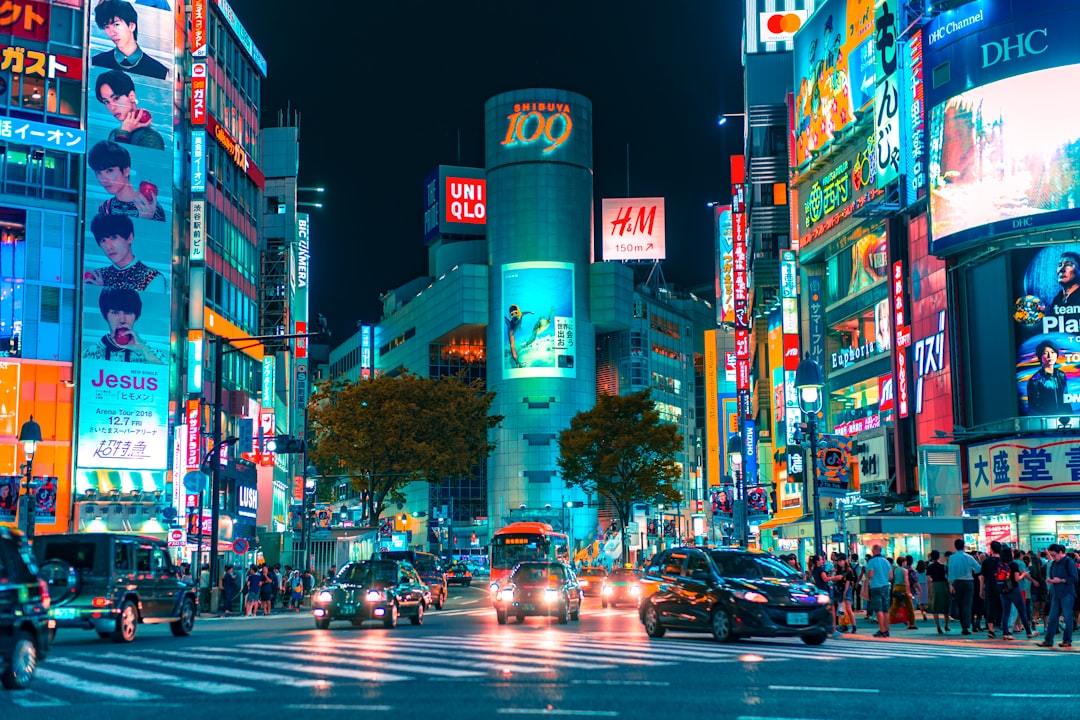

Photo by Jezael Melgoza on Unsplash
For anime and video game fans traveling to Japan, few experiences rival the thrill of standing in a spot you have seen rendered in pixel-perfect detail on your television screen. Persona 5, one of the most beloved entries in the long-running Persona franchise, is famous for its meticulous recreation of real Tokyo neighborhoods, and nowhere is this more apparent than in Shibuya. This guide will walk you through the actual locations that inspired the game’s fictional world, giving you everything you need to plan your own Persona 5 pilgrimage through Shibuya and its surrounding districts.
Why Shibuya Matters in Persona 5
Shibuya serves as the beating heart of Persona 5’s Tokyo. It is where the protagonist and his friends hang out between missions, shop for gear, grab food, and plan their next move against corrupt adults. The developers at Atlus are known for sending research teams to photograph and study real locations before recreating them in-game, and Shibuya’s density of iconic spots made it a natural centerpiece. Walking through the real district today, longtime fans will immediately recognize street corners, storefronts, and train station exits that appear throughout the game’s cutscenes and exploration segments.
Shibuya Scramble Crossing
No pilgrimage would be complete without starting at the world-famous Shibuya Scramble Crossing, the busiest pedestrian crossing on the planet. In Persona 5, this crossing appears repeatedly as characters move between story beats, and its chaotic energy perfectly captures the feeling of being a small individual within an enormous, indifferent city. Stand near the Hachiko Exit of Shibuya Station during a green light cycle and watch as hundreds of people cross in every direction at once. For photographers, the elevated view from the second floor of the nearby Starbucks offers a classic vantage point that mirrors several in-game camera angles.
Hachiko Statue and Station Exit
Just steps from the crossing sits the bronze statue of Hachiko, the loyal Akita dog who waited for his owner at the station every day even after his owner had passed away. This meeting spot is a beloved real-world landmark and also functions as a natural gathering point in the game’s world, much as it does for real Tokyoites arranging to meet friends. Fans often photograph themselves near the statue as an homage to the countless in-game scenes that take place around Shibuya Station’s entrances.
Center Gai (Center Street)
Heading north from the crossing, you will find Center Gai, the narrow pedestrian shopping street packed with fashion boutiques, fast food chains, arcades, and neon signage. This bustling corridor is instantly recognizable to players as the primary shopping and hangout street the protagonist traverses throughout the game. The dense signage, crowded foot traffic, and vertical stacking of shops over multiple floors all reflect the visual density Atlus captured in its in-game recreation.
Book Off and Used Bookstores
Persona 5 places heavy narrative emphasis on reading books to boost the protagonist’s stats, and the used bookstore aesthetic draws directly from real Tokyo chains like Book Off, several branches of which operate in and around Shibuya. Browsing these shelves gives visiting fans a tangible connection to the game’s mechanics, even if you cannot read Japanese; the atmosphere alone is worth the visit.
Crossroads and Batting Cages
Scattered throughout Center Gai and its side streets are entertainment venues echoing the game’s various diversions, including batting cages and arcade centers. These small pockets of leisure activity reflect how real Shibuya blends serious shopping with playful distraction, exactly as the game’s map design encourages players to wander and discover.
Underground Passages and Shibuya Station’s Labyrinth
Shibuya Station is notoriously complex, with multiple train lines converging and an underground shopping concourse connecting various exits. This labyrinthine quality is deliberately echoed in Persona 5’s own station designs, which often confuse first-time players just as the real station confuses first-time visitors. Spend some time simply getting lost in the underground passages; the disorientation itself is part of the authentic experience, and you will likely stumble upon small cafes and shops that feel plucked straight from the game’s background art.
Sangenjaya and Yongen-jaya: The Neighborhood of Leblanc
While technically a separate district from central Shibuya, Sangenjaya and the surrounding Yongen-jaya area are essential stops on any Persona 5 pilgrimage, as they are widely believed to have inspired the quiet residential neighborhood where the protagonist lives above Cafe Leblanc. A short train ride from Shibuya Station on the Denentoshi Line brings you to this quieter, more old-fashioned pocket of Tokyo, filled with narrow lanes, small independent cafes, and a noticeably slower pace of life compared to the frenetic energy of central Shibuya.
Finding Leblanc’s Inspiration
Many longtime fans and location scouts have pointed to small, retro-style coffee shops in this area as visual touchstones for Cafe Leblanc’s warm, wood-paneled interior and unassuming street-level entrance. While Atlus has never officially confirmed a single exact real-world counterpart, the atmosphere of these neighborhood cafes, complete with hand-drip coffee, vintage furnishings, and a handful of regular customers, captures the cozy, lived-in feeling the game so carefully cultivates. Sitting down for a slow cup of coffee here is one of the most rewarding quiet moments any Persona 5 fan can experience in real life.
Jazz Bars and Late-Night Atmosphere
Persona 5 features several jazz-themed venues that reflect Tokyo’s genuine love affair with jazz music, a scene that thrives in small, intimate bars tucked into basements and back alleys throughout the city. While the game’s specific jazz bar locations draw more from areas like Ginza, fans exploring greater Shibuya and its surrounding neighborhoods will find similar hidden gems: small, softly lit rooms with vinyl records, live piano, and a menu built around whiskey and coffee. Seeking these out adds wonderful texture to a broader Persona-themed evening in Tokyo.
Practical Tips for Your Pilgrimage
- Visit the Scramble Crossing during both daytime and after dark; the neon-lit night atmosphere feels closest to many of the game’s evening scenes.
- Bring a portable charger, since you will likely be taking photos constantly and using map apps to navigate the underground passages.
- Wear comfortable walking shoes. Shibuya’s slopes and Sangenjaya’s narrow streets involve a surprising amount of walking.
- Respect local businesses and other patrons; small cafes in residential neighborhoods are not tourist attractions first, so keep noise levels considerate and always order something if you sit down.
- Consider visiting on a weekday morning to see Center Gai and the crossing with comparatively lighter crowds before the evening rush begins.
- Pair your pilgrimage with a stop at a themed cafe or arcade elsewhere in Tokyo to round out the experience, since Persona 5 locations are spread across several districts beyond Shibuya alone.
Final Thoughts
A Persona 5 pilgrimage through Shibuya offers something rare: the chance to physically inhabit a beloved fictional world while simultaneously experiencing one of the most vibrant, endlessly fascinating districts in Tokyo. Whether you are chasing exact camera angles from cutscenes or simply soaking in the general atmosphere that inspired the game’s artists, Shibuya rewards curious wandering. Slow down, look up at the layered signage, duck into a quiet side-street cafe, and let the city’s real energy remind you why this setting captured so many players’ imaginations in the first place.