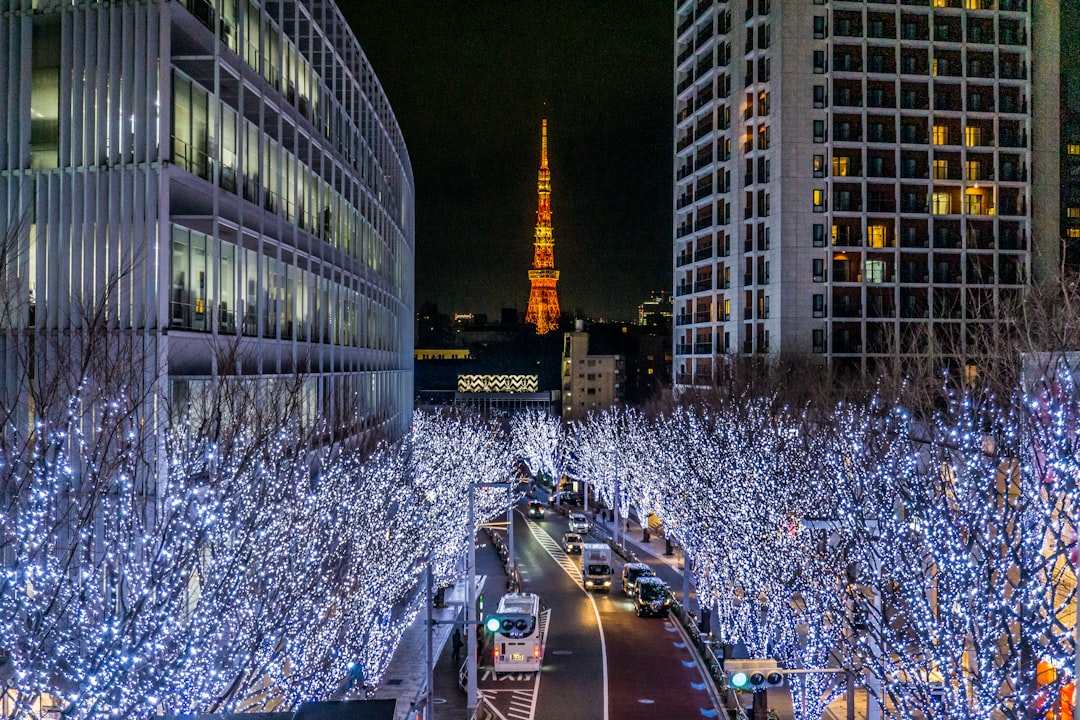
Why Hot Food Stalls Are the Secret Ingredient to Tokyo’s Winter Illumination Season
Tokyo’s winter illumination season transforms the city into a glittering wonderland of LED lights, but standing outside in near-freezing temperatures to admire them can quickly turn magical into miserable if you’re not prepared. The good news is that wherever Tokyo lights up its trees, plazas, and boulevards for the season, you’ll almost always find a cluster of hot food stalls nearby ready to warm your hands and your stomach. This guide walks you through the best combinations of illumination spots and steaming street food in Tokyo, along with practical cold-weather tips so your winter break or New Year trip to Japan feels cozy rather than chilly.
What Makes Winter Street Food in Tokyo So Special
Unlike the cherry blossom season, when people picnic under trees for hours, winter illumination viewing tends to be a walking experience—you stroll, snap photos, then duck into the nearest stall for something hot before moving to the next light display. This has created a unique culture of quick, portable, piping-hot snacks designed specifically to be eaten on the move in cold weather.
Classic Hot Snacks You’ll Find Near Illumination Displays
- Amazake – a sweet, low-alcohol fermented rice drink served steaming hot, often available for free or cheap near shrine approaches and event squares.
- Oden – a comforting stew of fish cakes, daikon, boiled eggs, and konjac simmered in dashi broth, sold from carts and convenience stores alike.
- Yakiimo (roasted sweet potato) – sold from stone-roasting carts, this is arguably the most iconic winter street food in Japan.
- Nikuman – fluffy steamed buns filled with pork, perfect for holding in cold hands before eating.
- Taiyaki – fish-shaped waffles filled with red bean paste, custard, or chocolate, served warm from the griddle.
- Hot corn on the cob and roasted chestnuts – common at winter markets and temporary illumination food courts.
- Mulled wine and hot chocolate – increasingly popular at European-style Christmas markets that pop up alongside illumination events.
Top Tokyo Illumination Spots With Excellent Nearby Food Stalls
Tokyo Midtown and Roppongi Hills
The Roppongi area is famous for its winter light displays along the Keyakizaka Street and Midtown Garden. Surrounding the illumination route, you’ll find seasonal food trucks and stalls selling hot mulled wine, roasted chestnuts, and gourmet nikuman. This is a great spot for a slightly more upscale winter food experience paired with sophisticated lighting design.
Marunouchi Illumination Streets
Near Tokyo Station, the Marunouchi Naka-dori illumination corridor is lined with cafes and pop-up stalls offering hot coffee, spiced cider, and warm pastries. Because this area caters to office workers, food options are quick and efficient—ideal if you’re illumination-hopping on a tight schedule.
Shibuya and Omotesando
The famous Omotesando Illumination features a canopy of lights along the tree-lined avenue. Side streets branching off toward Harajuku are packed with crepe stands, taiyaki shops, and hot drink kiosks, making this one of the most snack-friendly illumination walks in the city.
Odaiba Waterfront Illuminations
Odaiba’s illuminations, set against the bay and Rainbow Bridge, pair beautifully with hot ramen stalls, oden carts, and steamed bun vendors inside the nearby shopping complexes. The waterfront wind makes hot food here less of a luxury and more of a necessity.
Ueno and Shrine Approach Areas
If your itinerary includes both illumination viewing and a New Year shrine visit (hatsumode), areas like Ueno often have stalls selling amazake and oden right along the approach to the shrine, letting you combine winter light viewing with New Year traditions in one warm, satisfying outing.
Cold-Weather Preparation Tips for Illumination Viewing
Tokyo winters may not be as extreme as snow country regions, but standing outdoors for illumination photography can still leave you shivering. Keep these tips in mind:
- Dress in layers with a heat-retaining base layer, and bring disposable hand warmers (kairo), which are sold at every convenience store.
- Wear insulated, comfortable shoes, since illumination routes often involve significant walking between light zones and food stalls.
- Carry small cash and coins, as many traditional food stalls still don’t accept credit cards or IC cards.
- Check illumination lighting times in advance, as most displays turn on at dusk and run for several hours into the evening, coinciding with the coldest part of the day.
- Bring a reusable cup if you plan to enjoy multiple hot drinks, as some markets offer discounts for bringing your own container.
Crowd Avoidance Strategies
Winter illumination season, especially around the New Year holidays, draws huge crowds to famous spots. To enjoy both the lights and the food stalls without long queues:
- Visit on weekday evenings rather than weekends, when lines for both photo spots and food stalls are significantly shorter.
- Arrive right at lighting time (dusk) rather than in the evening peak hours between 7pm and 9pm.
- Choose secondary illumination spots near major ones—many neighborhoods just a short walk from famous displays have their own smaller light-ups with far fewer visitors and just as many food stalls.
- If visiting during the New Year period, avoid January 1st itself at major shrine-adjacent illumination areas, as this is when hatsumode crowds peak dramatically.
Combining Illumination Walks With a Warm Meal Stop
For travelers who want more than a quick snack, many illumination districts are close to indoor food halls, izakayas, and ramen shops where you can sit down and fully warm up between outdoor viewing sessions. Consider planning your evening as a loop: illumination viewing, a stop at a hot food stall for a snack, then a proper sit-down dinner indoors before heading to your next light display. This rhythm keeps you warm, fed, and comfortable throughout a long winter evening out.
Final Thoughts
Tokyo’s winter illumination season is one of the most magical times to explore the city, and pairing it with the right hot food stalls turns a simple sightseeing walk into a full sensory experience. Whether you’re sipping amazake near a shrine, biting into a fresh taiyaki under a canopy of lights, or warming your hands around a cup of oden broth, these small culinary moments are what make winter travel in Japan so memorable. Plan ahead, dress warmly, and let the glow of the lights—and the steam from your snack—guide you through a perfect winter evening in Tokyo.
Photo by Junhyeong Song on Unsplash