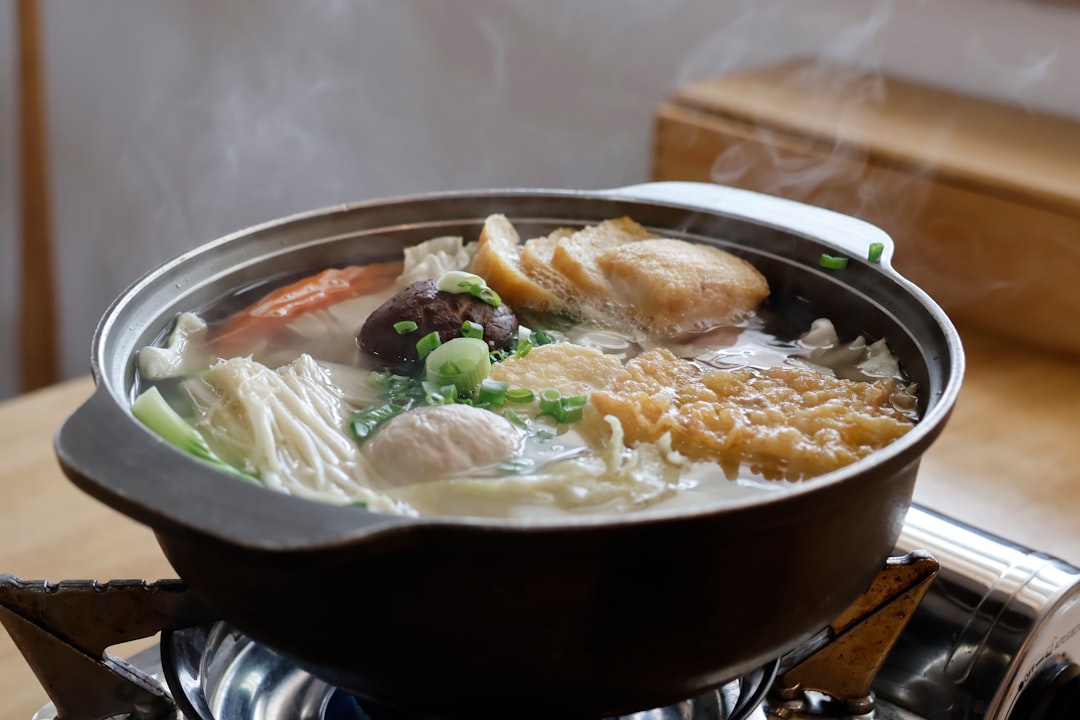
Why Nabe Is the Ultimate Comfort Food for Japan’s Winter Season
When the cold winds sweep across Japan and cities glow with winter illumination displays, nothing warms the body and soul quite like a steaming pot of nabe (hot pot). This communal dish, simmered at the table in a shared pot, is a cornerstone of Japanese winter culture and a must-try experience for anyone visiting Japan during the year-end and New Year holiday season. Whether you’re recovering from a day of hatsumode shrine visits in freezing temperatures or ducking indoors after wandering through snow-dusted streets, nabe offers instant warmth, hearty nutrition, and a cozy communal atmosphere similar to gathering around a kotatsu table.
Unlike many single-serving dishes, nabe is meant to be shared. Ingredients are cooked directly in a broth-filled pot placed on a portable burner in the center of the table, and diners help themselves as everything cooks. This makes it a fantastic winter activity for families, friend groups, and even solo travelers who join a communal dining counter. In this guide, we’ll explore popular nabe varieties, simple recipes you can recreate at home, and practical tips for enjoying hot pot during Japan’s busiest winter travel season.
Popular Types of Nabe to Try This Winter
Yosenabe (Mixed Hot Pot)
Yosenabe is the most versatile and beginner-friendly nabe, combining seafood, chicken, tofu, mushrooms, and vegetables in a light soy or miso-based dashi broth. It’s an excellent introduction to hot pot dining because it showcases a wide range of seasonal winter ingredients in one pot.
Sukiyaki
Sukiyaki features thinly sliced beef simmered in a sweet-savory sauce made from soy sauce, sugar, and mirin, alongside vegetables, tofu, and shirataki noodles. Traditionally, ingredients are dipped in raw beaten egg before eating, adding a rich, silky texture. This is a favorite dish for special New Year gatherings and celebratory winter dinners.
Shabu-shabu
Shabu-shabu involves swishing paper-thin slices of beef or pork through hot kombu broth for just a few seconds before dipping them in ponzu or sesame sauce. It’s lighter than sukiyaki and pairs beautifully with crisp winter vegetables like napa cabbage and mizuna.
Chanko Nabe
Originally the hearty meal of sumo wrestlers, chanko nabe is packed with protein-rich ingredients such as chicken meatballs, tofu, and seasonal vegetables in a rich broth. It’s filling, nutritious, and perfect after a long day exploring in cold weather.
Motsunabe
A specialty from Fukuoka, motsunabe uses beef or pork offal simmered with garlic, chives, and cabbage in a soy or miso broth. It has a deeper, more intense flavor and is popular in izakayas during the winter months.
Kimchi Nabe
For travelers who enjoy spice, kimchi nabe combines Korean-style kimchi with pork, tofu, and vegetables for a fiery, warming broth that’s especially satisfying on the coldest winter nights.
Oden
Though technically a variation of nabe-style cooking, oden features ingredients like daikon, boiled eggs, fish cakes, and konjac simmered for hours in a soy-dashi broth. You’ll find it sold at convenience stores and street stalls throughout winter, making it an easy, budget-friendly snack while sightseeing.
Simple Nabe Recipe You Can Recreate at Home
If you want to bring a taste of Japanese winter home with you, try this simple yosenabe recipe:
- Prepare a dashi broth using kombu and bonito flakes, seasoned with soy sauce, sake, and a touch of mirin.
- Add napa cabbage, shiitake mushrooms, tofu, and thinly sliced chicken or pork to the pot.
- Simmer everything together in a donabe (clay pot) or any deep pot over a portable burner at the table.
- Serve with a dipping sauce of ponzu or sesame sauce for extra flavor.
- Finish the meal by adding cooked rice or noodles to the remaining broth for a comforting final course called “shime.”
This method works for almost any nabe style, so feel free to swap proteins and vegetables based on what’s available or your personal preference.
Where to Enjoy Nabe During the Winter and New Year Season
Nabe restaurants across Japan get especially busy during the year-end and New Year holidays, as families and coworkers gather for bonenkai (year-end parties) and shinnenkai (New Year parties). To avoid long waits during this peak season, consider the following tips:
- Make reservations at least a few days in advance, especially in major cities like Tokyo, Osaka, and Kyoto.
- Visit nabe restaurants for lunch instead of dinner, when crowds are noticeably thinner.
- Explore neighborhood izakayas slightly outside central tourist districts for a quieter, more local experience.
- Look for hotel and ryokan dinners that include nabe as part of a kaiseki-style winter menu, allowing you to enjoy hot pot without leaving your accommodation.
Cold-Weather Preparation Tips for Nabe Dining and Winter Travel
Since much of the appeal of nabe lies in escaping the winter chill, it helps to prepare properly for Japan’s cold season:
- Dress in warm layers, as many nabe restaurants have low tables with heated kotatsu-style seating, but outdoor walks to reach them can be bitterly cold.
- Carry hand warmers (kairo), widely available at convenience stores, for extra comfort while waiting outside popular restaurants.
- Stay hydrated, since heated indoor spaces and hot broths can be dehydrating despite the cold weather outside.
- Check regional weather forecasts if traveling to snowy areas like Hokkaido or the Japan Alps, where nabe culture is especially strong and heating aids like kotatsu are commonly used in traditional accommodations.
Nabe Dining Etiquette for Travelers
A few simple etiquette points will help you enjoy nabe like a local: wait for the broth to properly heat before adding raw ingredients, avoid double-dipping your personal chopsticks into the shared pot (use serving chopsticks if provided), and always try the shime course at the end, as finishing the meal with rice or noodles is considered part of the full nabe experience.
Final Thoughts
Nabe hot pot is more than just a meal, it’s a warm, communal ritual that captures the essence of Japanese winter and New Year traditions. Whether you’re sampling motsunabe in Fukuoka, sukiyaki in Tokyo, or a simple homemade yosenabe recreated after your trip, this dish offers comfort, flavor, and connection during the coldest months. Add a nabe dinner to your winter itinerary, and you’ll leave Japan with both a full stomach and a lasting memory of its hospitable winter culture.
Photo by You Le on Unsplash