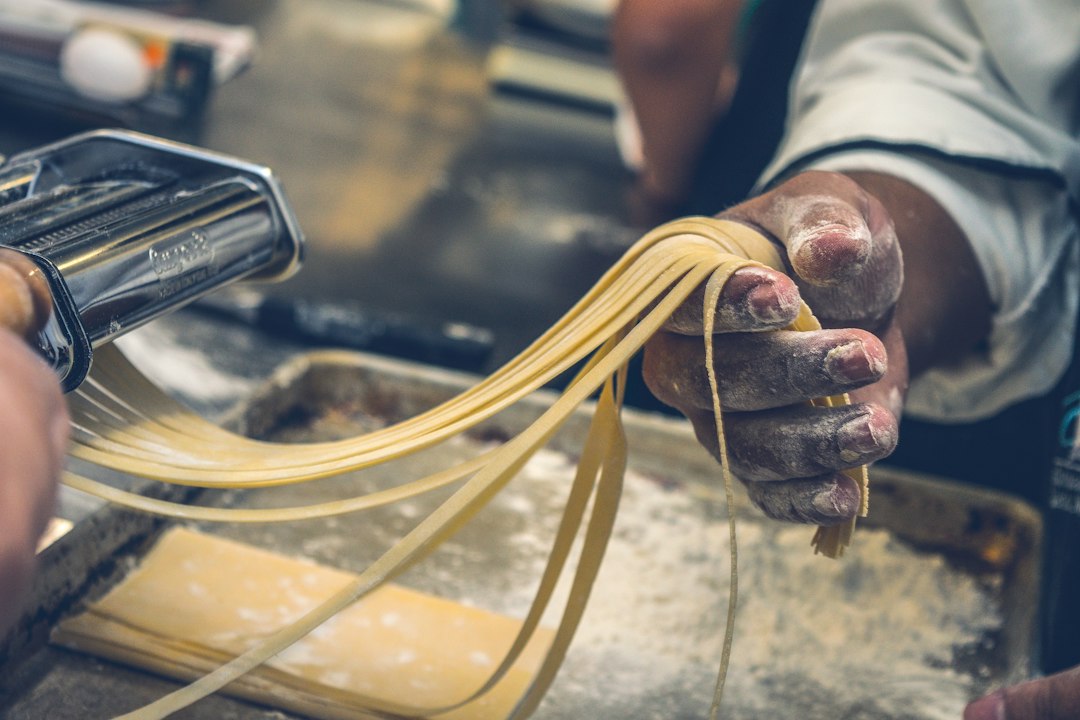
Discovering the Art of Teuchi Soba in Tokyo
Few culinary experiences capture the soul of Japanese food culture quite like making soba noodles by hand. Known as teuchi soba, this centuries-old craft transforms simple buckwheat flour and water into delicate, chewy noodles that have nourished travelers, monks, and city dwellers alike for generations. Taking a traditional soba noodle making class in Tokyo offers visitors a rare chance to step behind the counter of a Japanese kitchen, learn techniques passed down through generations of noodle masters, and walk away with a skill—and a meal—you created with your own hands.
Unlike a typical restaurant meal, a soba class is immersive. You are not just tasting Japanese cuisine; you are participating in it. This article explores what makes this experience so special, what you can expect from a class, and how to choose the right one for your Tokyo itinerary.
Why Soba Holds a Special Place in Japanese Culture
Soba noodles are made primarily from buckwheat flour, a hardy crop that thrives in Japan’s mountainous regions where rice cultivation was historically difficult. Because of this, soba became associated with humble, rustic authenticity long before it became a beloved dish nationwide.
Soba also carries symbolic meaning. It is traditionally eaten on New Year’s Eve as toshikoshi soba, representing longevity and the clean break from one year to the next, since the noodles are easy to bite through. This cultural weight is part of why learning to make soba feels like more than a cooking lesson—it feels like connecting with a living tradition.
The Craftsmanship Behind Every Strand
Professional soba chefs, sometimes called sobashokunin, train for years to master the balance of water, flour ratio, kneading pressure, and knife technique required to produce consistent, silky noodles. A soba making class condenses this expertise into an approachable, beginner-friendly format, guided by instructors who are often working chefs or retired artisans passionate about preserving the craft.
What Happens During a Soba Making Class
While every studio has its own style, most traditional soba classes in Tokyo follow a similar rhythm rooted in decades of technique refinement. Here is what you can typically expect:
1. Mixing and Hydrating the Dough (Mizumawashi)
This is considered the most critical step. Buckwheat flour, sometimes blended with a small percentage of wheat flour for elasticity, is combined with precise amounts of water. Instructors will show you how to distribute moisture evenly using your fingertips, a technique that takes years to perfect but can be approximated with guidance in just one session.
2. Kneading (Neri)
Once hydrated, the dough is kneaded into a smooth, cohesive mass. This step develops the structure of the noodles and requires surprising physical effort. Many first-time students are amused to discover how much arm strength goes into a bowl of noodles.
3. Rolling the Dough (Nobashi)
The dough is flattened and rolled out using a long wooden rolling pin until it forms a large, thin sheet of remarkably even thickness. This stage demonstrates the precision soba chefs develop, and instructors often help students achieve a surprisingly professional result.
4. Folding and Cutting (Tatami and Kiri)
The thin sheet is folded in layers and cut into fine strands using a specialized soba knife and a wooden guide board called a koma-ita. This is often the most exciting part for visitors, as the rhythmic chopping produces the noodles’ signature uniform width right before your eyes.
5. Boiling and Tasting
Freshly cut noodles are boiled briefly, then rinsed in cold water to firm up their texture. Students usually finish the class by enjoying their own handmade soba with a traditional dipping sauce called tsuyu, along with condiments such as grated daikon, scallions, and wasabi.
What to Expect in Terms of Atmosphere and Setting
Many soba classes in Tokyo take place in charming, traditional settings—wooden-beamed studios, converted machiya townhouses, or small family-run soba restaurants that open their kitchens to visitors during off-hours. This atmosphere adds authenticity to the experience, transporting participants into a slower, more deliberate rhythm than the fast pace of central Tokyo just outside the door.
Classes are often led in English or with English-speaking assistance, making them accessible to international travelers with no prior Japanese language skills. Group sizes tend to be small, allowing for personalized instruction and plenty of opportunities to ask questions about technique, ingredients, and the cultural history of soba.
How to Choose the Right Soba Making Class
With several studios and restaurants across the city offering this experience, a few factors can help you select the best fit for your interests:
- Instructor background: Classes led by working or veteran soba chefs tend to offer deeper insight into professional techniques.
- Class size: Smaller groups generally mean more hands-on guidance and a more personal experience.
- Included tasting: Most reputable classes let you eat the noodles you make, often alongside seasonal side dishes like tempura.
- Language support: Confirm whether instructions are available in English or another language you’re comfortable with.
- Duration: Classes typically run between ninety minutes and two and a half hours, so check that the schedule fits comfortably into your day.
Practical Tips for Participants
To make the most of your soba making class, keep these simple tips in mind:
- Wear comfortable clothing that you don’t mind getting a light dusting of flour on, and consider rolling up your sleeves.
- Remove rings or bracelets, as these can interfere with kneading and cutting techniques.
- Arrive with an appetite—you’ll want to enjoy your noodles fresh and warm right after class.
- Don’t worry about perfection; uneven noodle widths are part of the charm of handmade soba, even for experienced cooks.
- Ask questions throughout the process; instructors are usually delighted to share the history and nuances behind each step.
Enjoying Your Noodles Like a Local
Once your soba is ready, you’ll typically be served with a small dish of tsuyu for dipping. Unlike slurping ramen for flavor absorption, slurping soba is considered both polite and functional—it helps cool the noodles slightly and enhances the aroma as you eat. Don’t be shy about making noise; in Japan, this is simply how soba is enjoyed.
Many classes also introduce soba-yu, the hot, starchy water used to boil the noodles. After your meal, this water is sometimes mixed with leftover tsuyu and sipped as a light, comforting drink—a practice unique to soba dining culture.
Pairing the Experience with Your Tokyo Itinerary
A soba making class fits beautifully into a half-day cultural itinerary. Many visitors pair it with a visit to a nearby traditional market, a stroll through a historic neighborhood, or a tea ceremony experience later in the day. Because the class itself is relatively short, it’s easy to combine with sightseeing without sacrificing time for other Tokyo highlights.
This experience also makes a wonderful alternative to a standard cooking class, especially for travelers who have already tried sushi-making workshops and are looking for something a little more rustic, meditative, and deeply rooted in regional tradition.
Frequently Asked Questions
Is prior cooking experience necessary?
No. Classes are designed for complete beginners, and instructors adjust guidance based on skill level.
Is this experience suitable for children or families?
Many studios welcome families, though it’s worth checking age recommendations beforehand, as some tools involve sharp blades.
Can I take my noodles home instead of eating them there?
Some classes offer this option, though fresh soba is best enjoyed immediately, as its texture changes quickly once cut.
Final Thoughts
A traditional soba noodle making class in Tokyo offers far more than a cooking lesson—it’s an invitation to slow down, engage with centuries-old craftsmanship, and taste the rewarding results of your own effort. Whether you’re a devoted foodie or simply curious about Japanese culinary traditions, this hands-on experience leaves a lasting impression long after you’ve left the kitchen, making it one of the most memorable and meaningful food experiences Tokyo has to offer.
Photo by Jorge Zapata on Unsplash